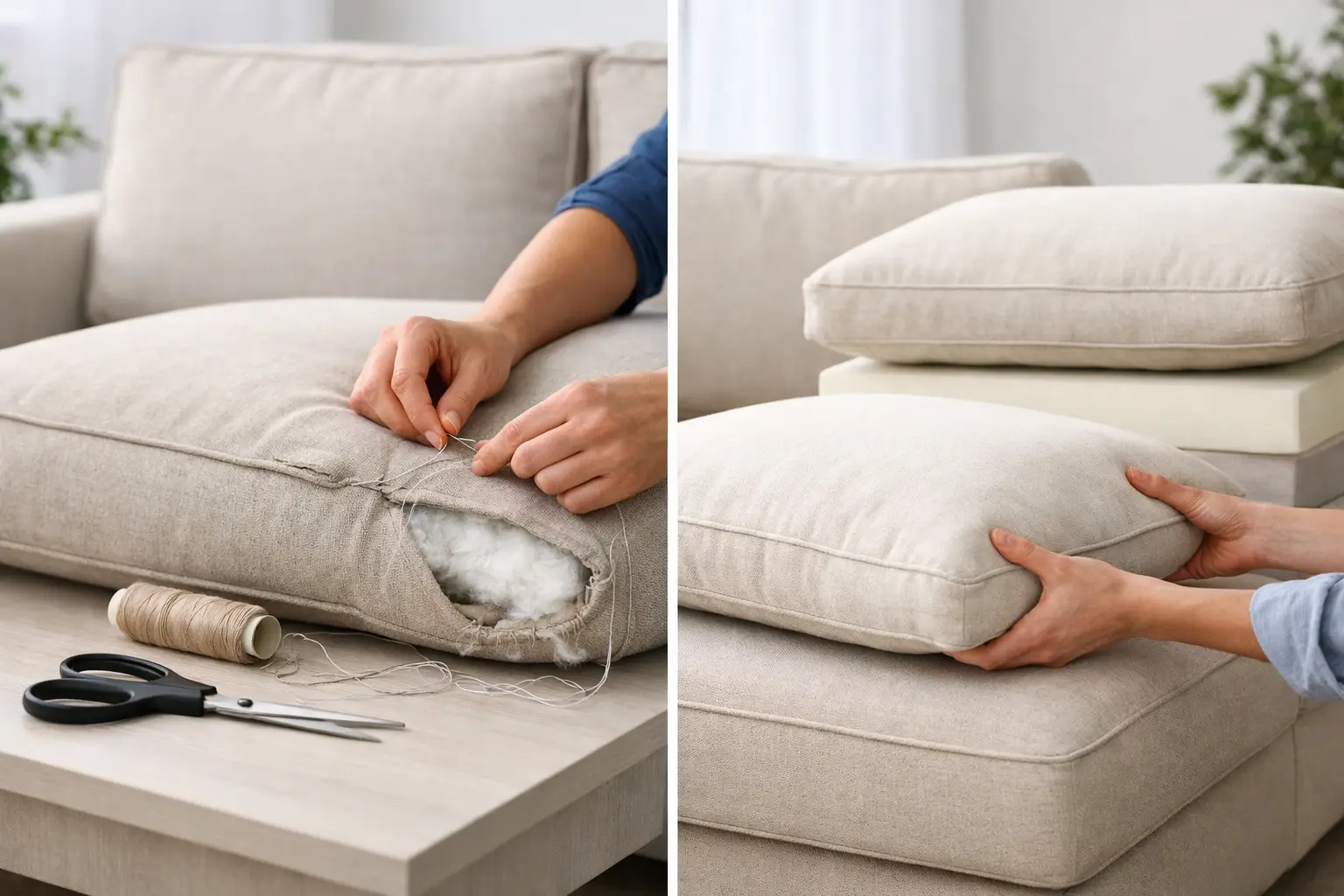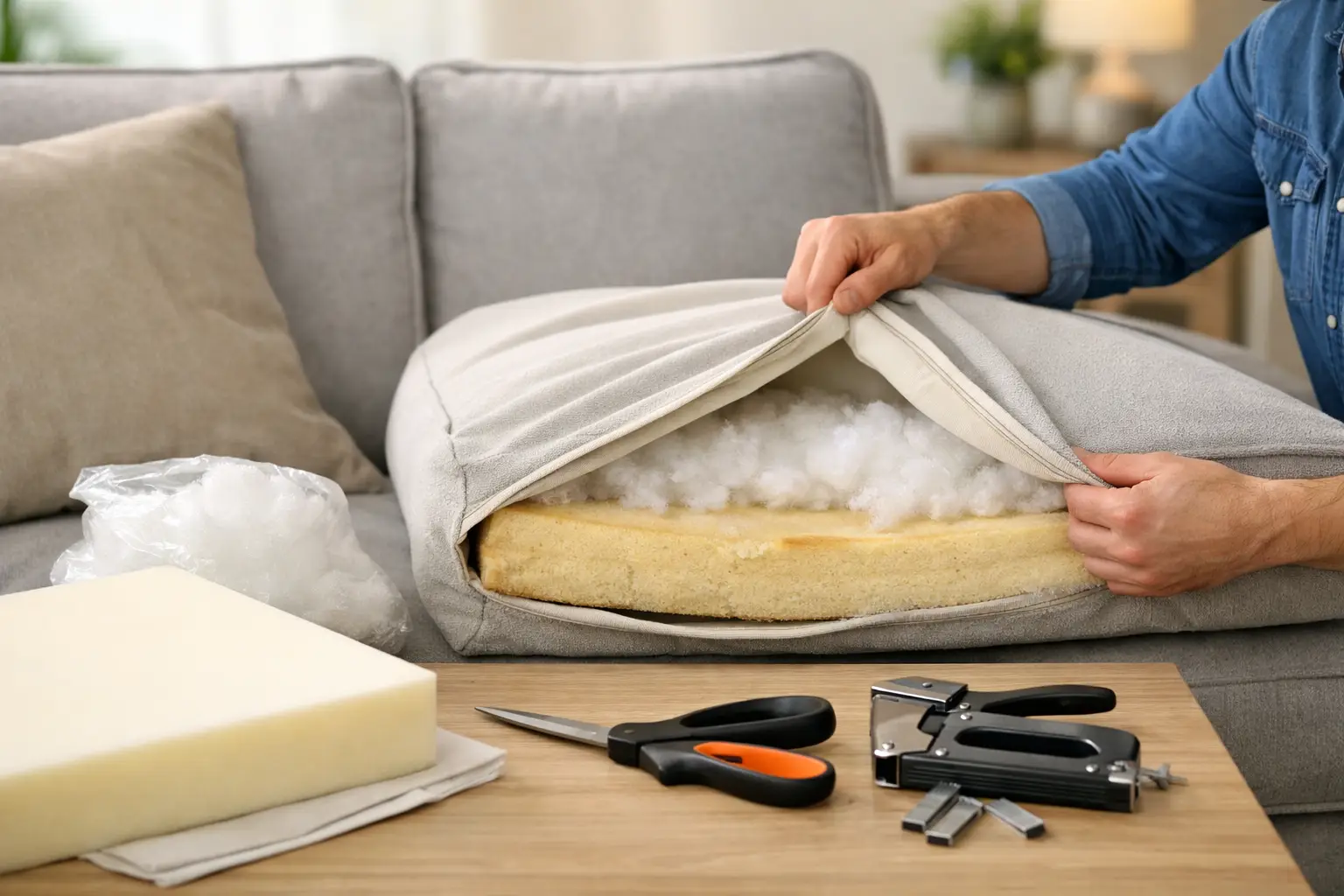
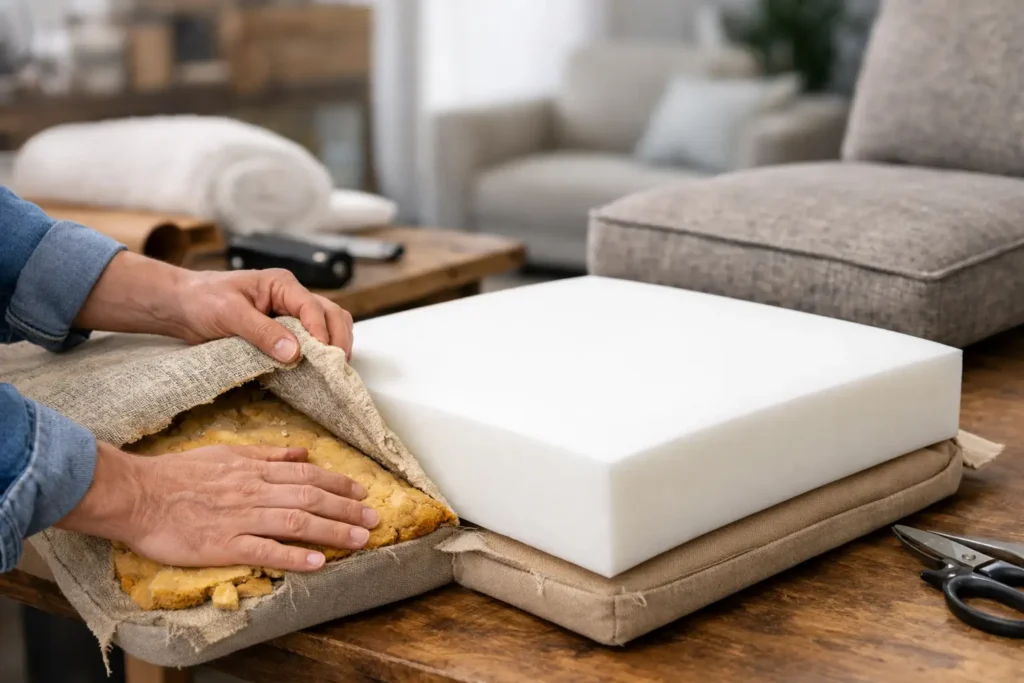
A chair can still have a solid frame, good lines, and fabric worth saving – yet feel miserable to sit on. That usually points to the cushion core, not the entire piece. Upholstery foam replacement is often the fix that brings comfort, support, and appearance back without sending a well-built item to the landfill.
For homeowners, that might mean a sagging sofa that has lost its shape. For a restaurant, it could be booth seating that looks acceptable but no longer performs under daily use. For vehicle, marine, and RV interiors, foam breakdown can make a seat feel uneven, cramped, or simply tired long before the rest of the upholstery is beyond repair. In many of these cases, replacing the foam is the practical middle ground between living with discomfort and replacing the entire piece.
What foam failure actually looks like
Most people notice foam failure gradually. A cushion that once felt firm starts bottoming out. Edges collapse. Seats develop a dip where one person always sits. Back cushions lose their shape and start looking wrinkled even when the fabric is still in decent condition.
Age is only part of the issue. Foam wears based on density, quality, use, and environment. A family room sectional used every day breaks down differently than decorative seating in a formal space. Outdoor cushions face moisture and sun. Boat seating deals with humidity and temperature swings. Commercial seating handles repetitive pressure from constant traffic. The same is true in automotive and RV applications, where the condition of the foam affects posture and comfort more than many owners expect.
Once foam starts breaking down, the fabric often tells on it. You may see puckering, a loose fit, or corners that no longer hold their shape. Sometimes clients assume they need full reupholstery when the real problem starts inside the cushion. Other times, the foam and covering are both due for attention, and handling them together gives a better long-term result.
When upholstery foam replacement is the right repair
Not every uncomfortable seat needs new foam, and not every worn cushion should be patched. The right solution depends on the construction of the piece, the condition of the cover material, and how the item is used.
Upholstery foam replacement makes the most sense when the frame is still sound and the piece has value worth preserving. That value may be financial, sentimental, or practical. A quality sofa, heirloom chair, custom RV dinette, restaurant booth, or marine bench can often be restored effectively with new foam and related upholstery work.
It also makes sense when the shape of the cushion matters. Foam does more than provide softness. It supports the profile of the seat, helps fabric fit correctly, and affects how a piece looks from across the room. If a cushion is misshapen, replacing foam can improve both comfort and appearance in a way that surface repairs cannot.
There are cases where a minor refill or wrap adjustment may help, particularly with loose back cushions or pieces that have only moderate wear. But if the cushion compresses too easily, stays flattened, or feels inconsistent from one spot to another, full replacement is usually the better investment.
Foam is not one-size-fits-all
One of the biggest misconceptions about foam is that firmer always means better. It depends on the application. A dining chair cushion, a sofa seat, a motorcycle saddle, and an outdoor chaise all require different performance.
Density, firmness, and intended use
Density affects durability. Firmness affects feel. Those two qualities work together, but they are not the same thing. A cushion can feel soft at first and still hold up well if the density is appropriate. A cushion can also feel very firm and wear out faster than expected if the material quality is poor.
For residential furniture, comfort usually needs to be balanced with shape retention. In commercial settings, durability and consistency often come first. In automotive, aviation, and marine seating, support and fit are especially important because the foam interacts closely with posture, body position, and limited interior space.
Cushion shape matters too
Flat seat cushions are straightforward compared to shaped seating with contours, bolsters, channels, or custom dimensions. Bench seating, corner cushions, cockpit seating, and built-in RV interiors often need more than a standard foam insert cut to size. The foam has to match the structure and intended use of the piece.
That is where professional fabrication matters. A cushion that is technically the right size can still perform poorly if the profile, layering, or edge treatment is off. Good upholstery work accounts for the way the foam and cover function together.
Furniture, vehicles, and commercial seating all wear differently
The right approach to upholstery foam replacement changes depending on the category.
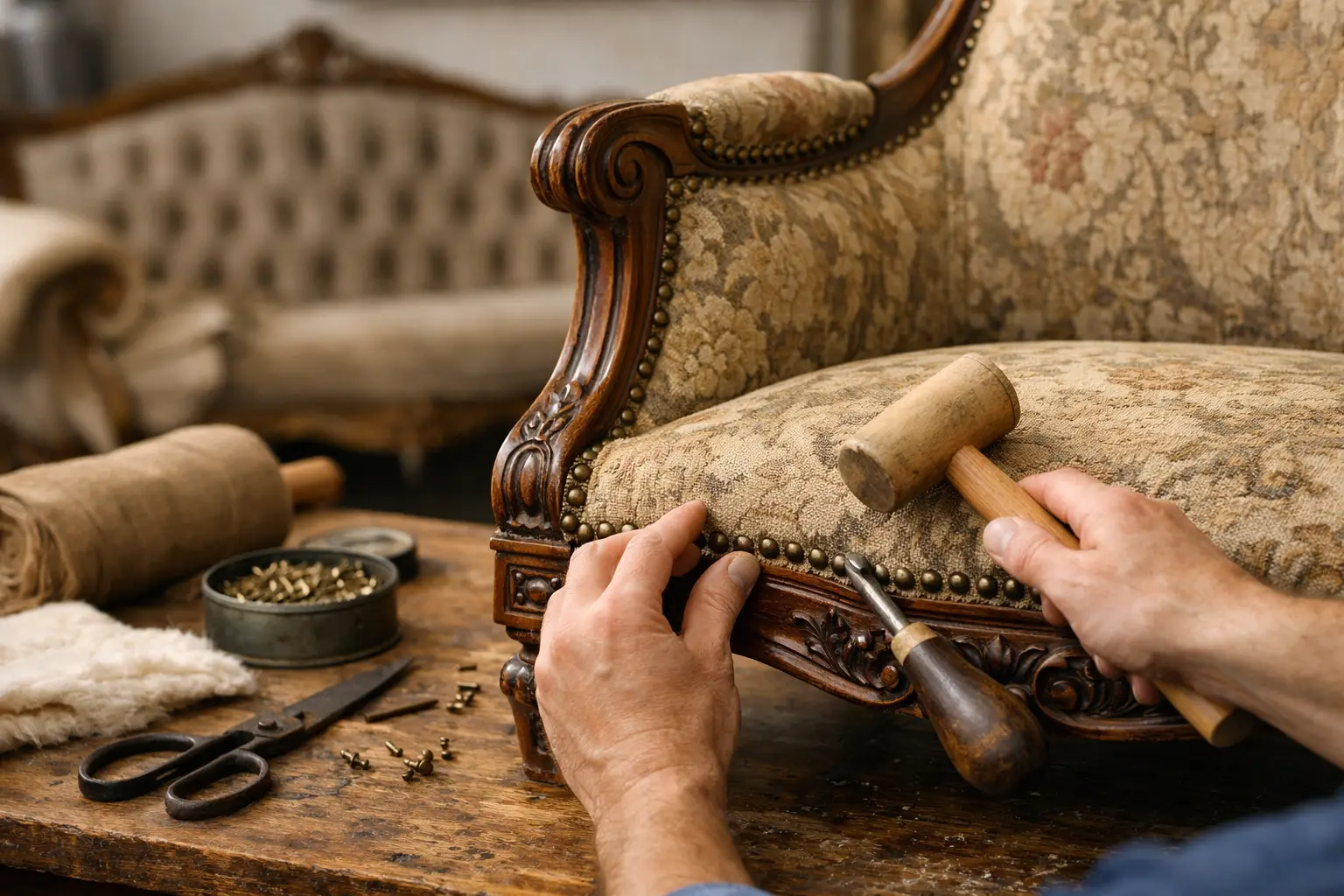
In residential furniture, the goal is often to restore everyday comfort while keeping the character of the piece. Homeowners may want a favorite chair to sit like it used to, or they may want a dated sofa rebuilt with a more supportive feel. Older furniture can be especially worth saving if the frame is better made than many mass-produced replacements on the market.
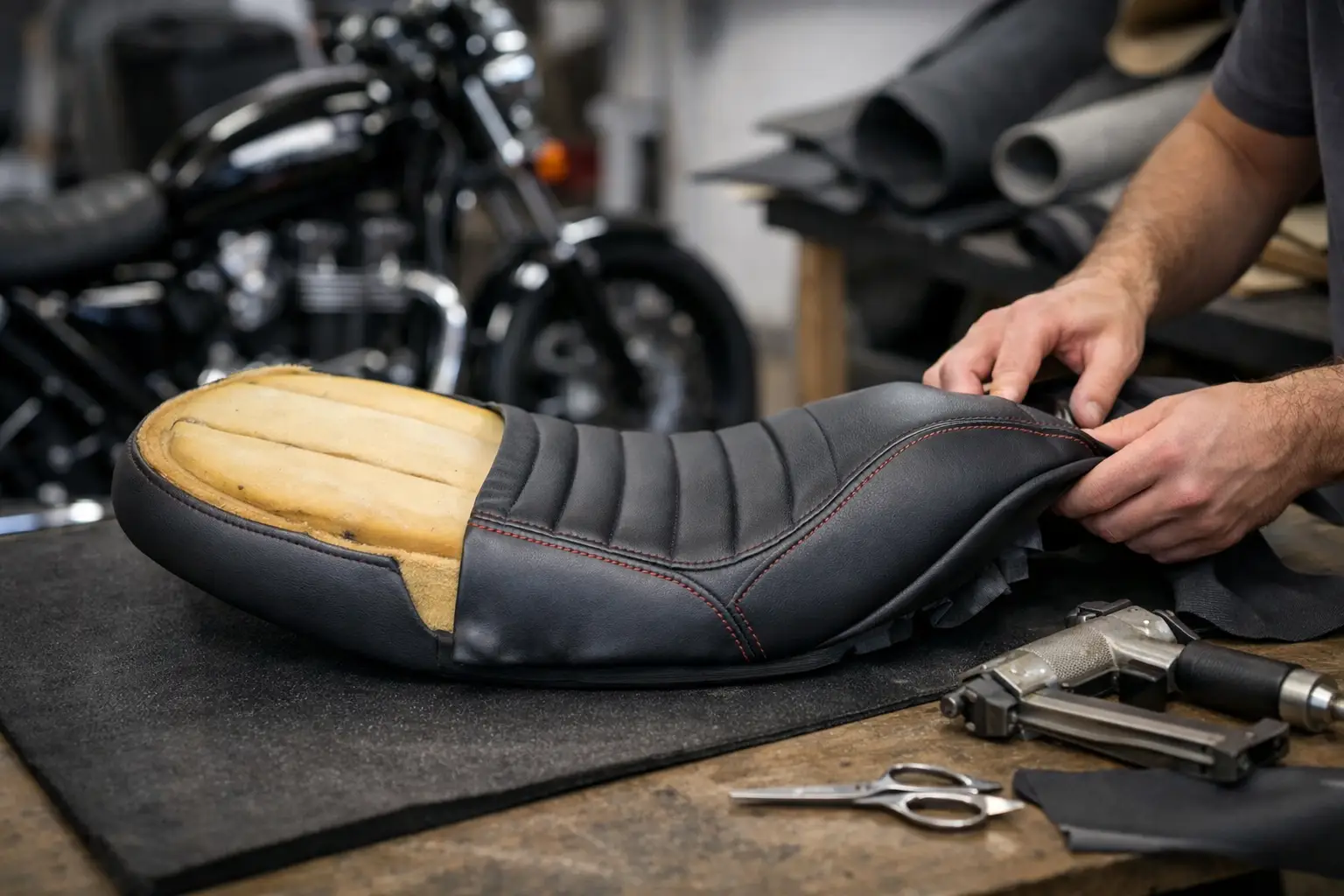
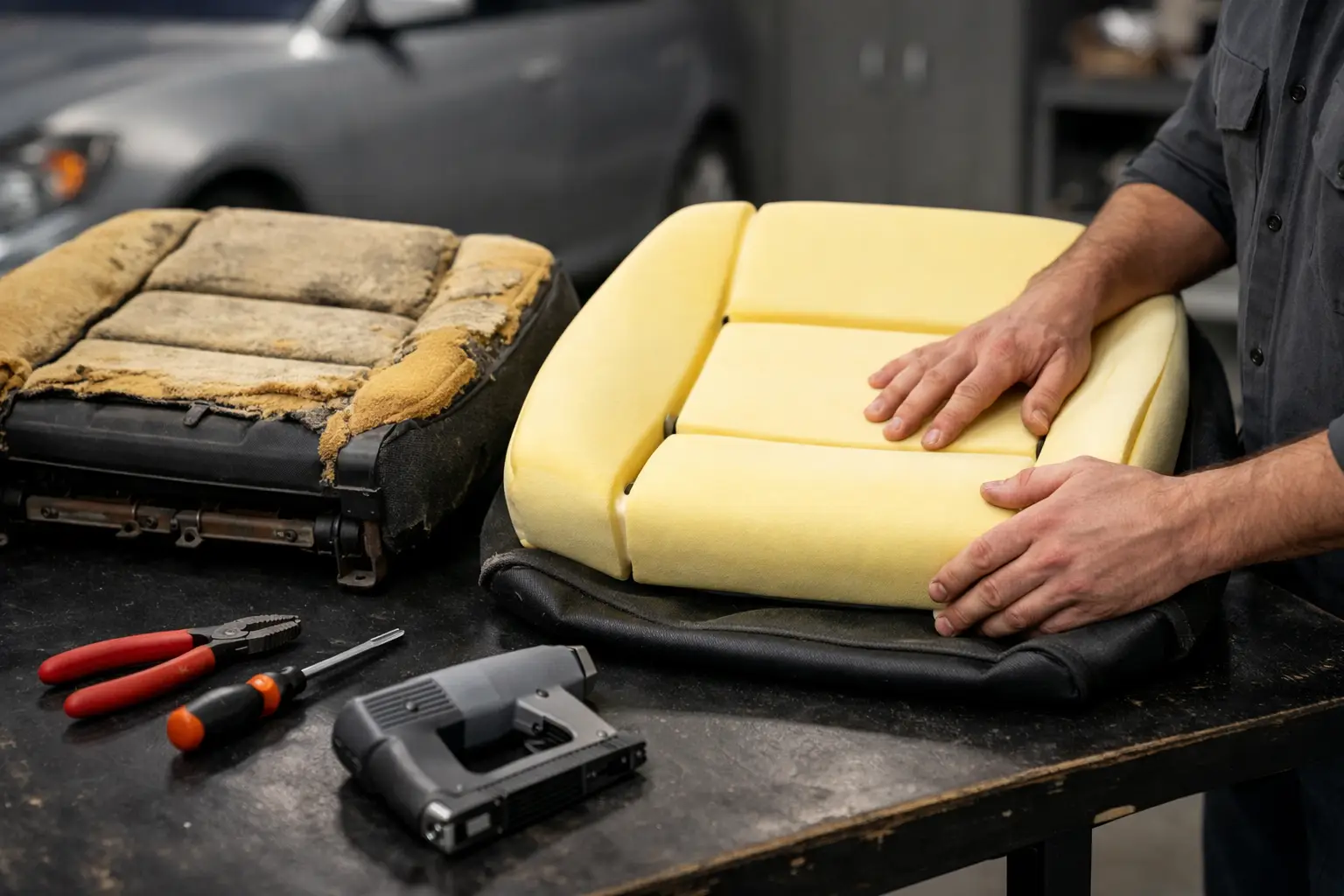
In automotive, motorcycle, RV, aviation, and marine work, the foam has a more technical role. Seat height, contour, driving position, and long-term comfort all come into play. A vehicle owner may need more support in a driver seat, while a boat owner may need materials better suited to moisture exposure. The repair is not just about softness. It is about fit, function, and use conditions.
Commercial seating has its own demands. Restaurants, waiting areas, theaters, hospitality spaces, and offices need cushions that hold their shape under frequent use and still present well to customers. In these settings, downtime matters too. A well-planned replacement helps extend the life of seating assets without the cost of complete replacement across the space.
Signs you should not ignore
If you have to shift constantly to get comfortable, the foam is no longer doing its job. If you feel the frame or support beneath the cushion, the breakdown is already advanced. If a seat leans, lists, or has visible depressions, the issue may involve both the foam and underlying structure.
Odor can be another factor, especially in older cushions, marine applications, or pieces exposed to moisture. Foam can trap dirt, allergens, and dampness over time. When that happens, replacement improves more than comfort.
For businesses, appearance is often the first warning. Seating that looks deflated or uneven sends the wrong message even before customers sit down. For homeowners, the piece may simply stop being usable in the way it was intended. Either way, delayed repair usually leads to more wear on fabric, seams, and support components.
Why professional evaluation matters
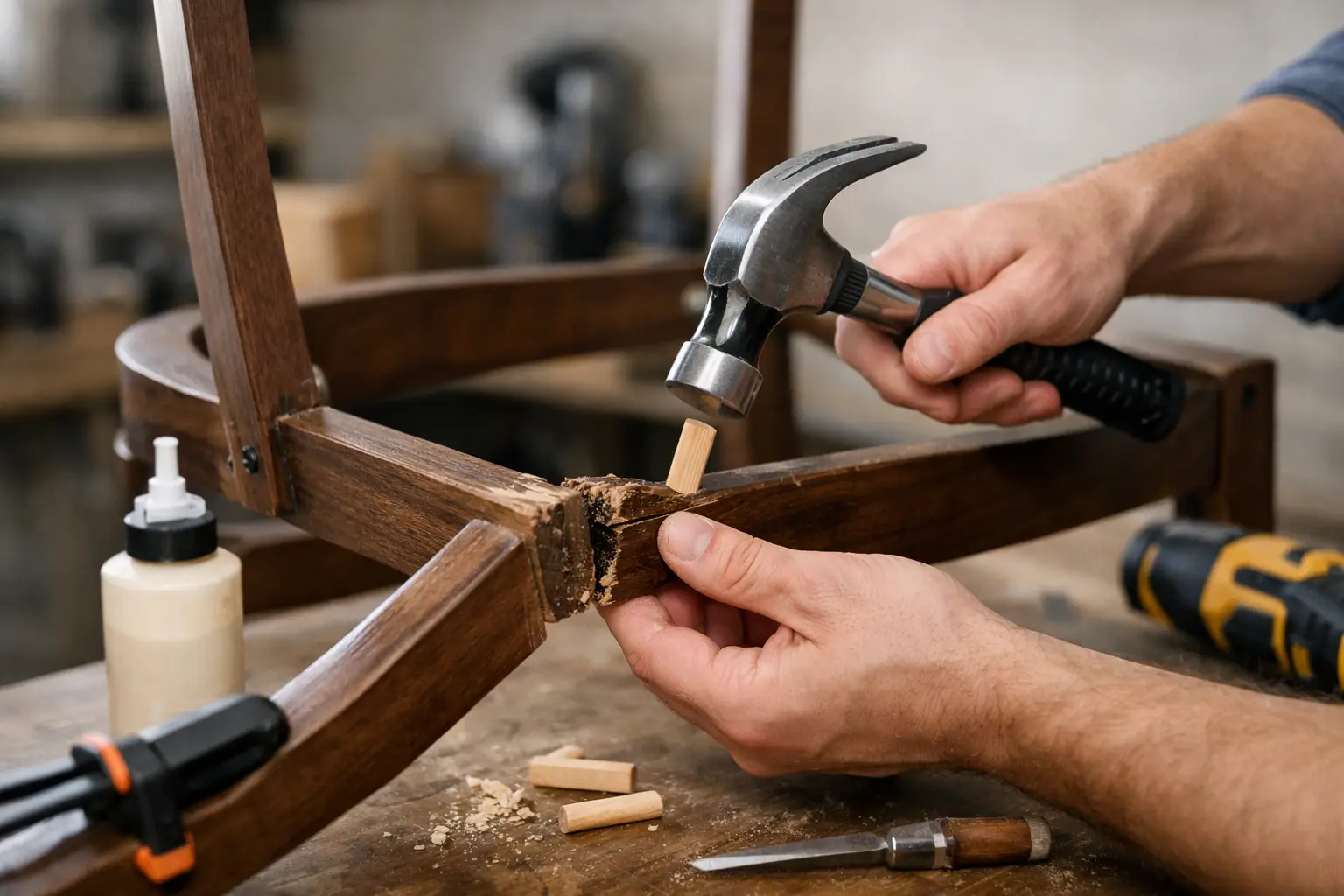
A cushion problem is not always just a cushion problem. Springs, webbing, decking, batting, and frame integrity all affect the final result. Replacing foam without checking the rest of the construction can leave the piece looking improved but still feeling wrong.
A professional evaluation helps determine whether the foam should be replaced, rebuilt, reshaped, or paired with additional upholstery repair. It also helps match the material to the use of the piece rather than relying on generic foam that may not hold up.
At Rocky Mountain Upholstery, that kind of assessment matters because projects vary so widely – from household furniture and patio cushions to restaurant booths, RV seating, and specialty vehicle interiors. The best result comes from treating the foam as part of the whole build, not as an isolated insert.
What to expect from the process
Most foam replacement projects begin with inspection and measurement. The upholstery may need to be opened carefully so the existing core, wrap, and support materials can be evaluated. If the cover is being reused, precision matters even more because the new foam has to fit the existing shape correctly.
From there, the appropriate foam is selected based on use, size, and desired feel. Some projects call for simple replacement. Others need layered construction, contouring, or paired reupholstery to restore the full look and performance of the piece.
The result should not feel generic. It should feel right for the way the item is used. A window seat should not be built like a captain’s chair, and a restaurant booth should not be built like an accent cushion. Good upholstery work respects those differences.
If a piece still has structure, style, or purpose, worn-out seating does not automatically mean it is time to replace it. Often, the comfort problem is buried in the foam, and fixing that core issue gives the whole piece a second life worth keeping.