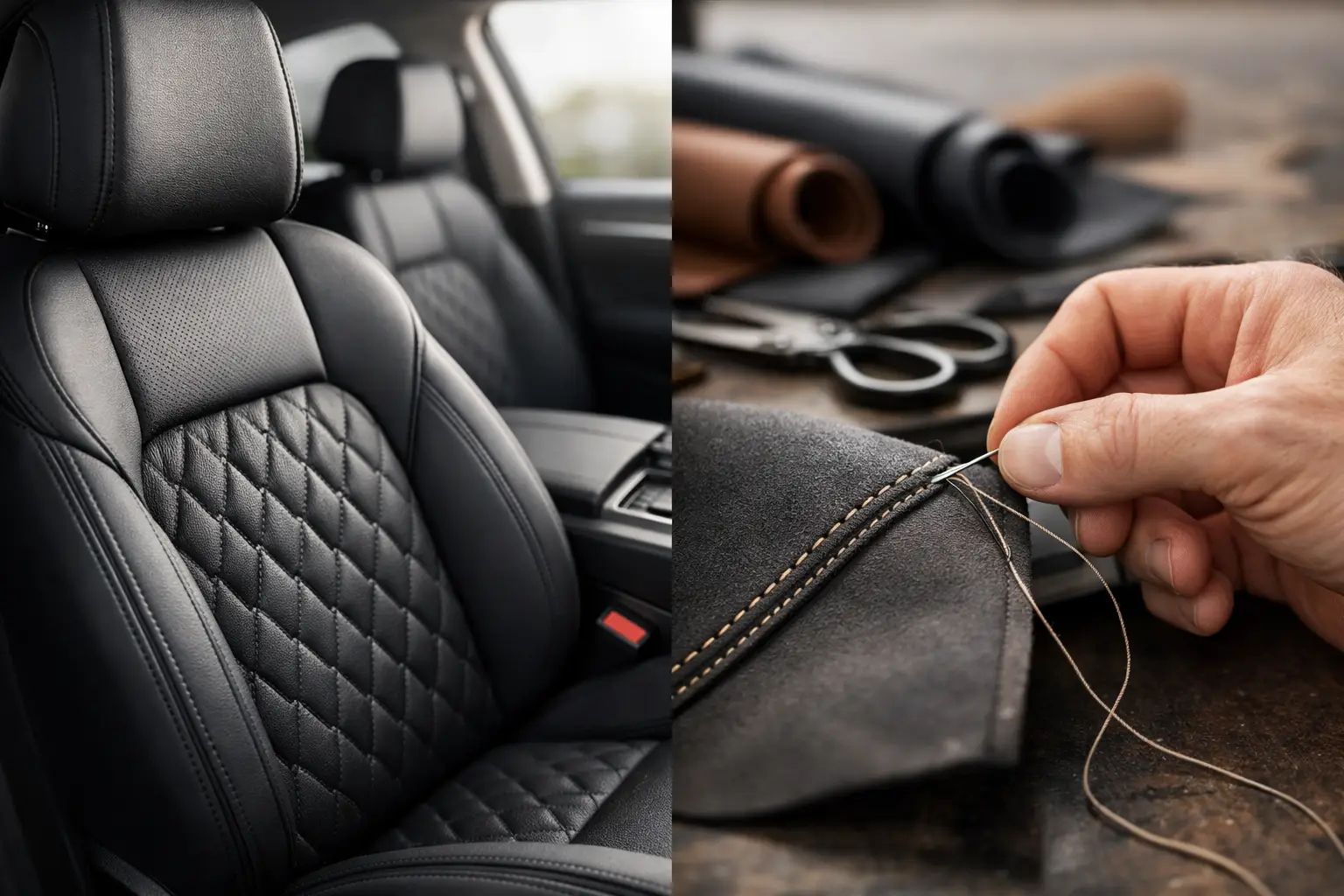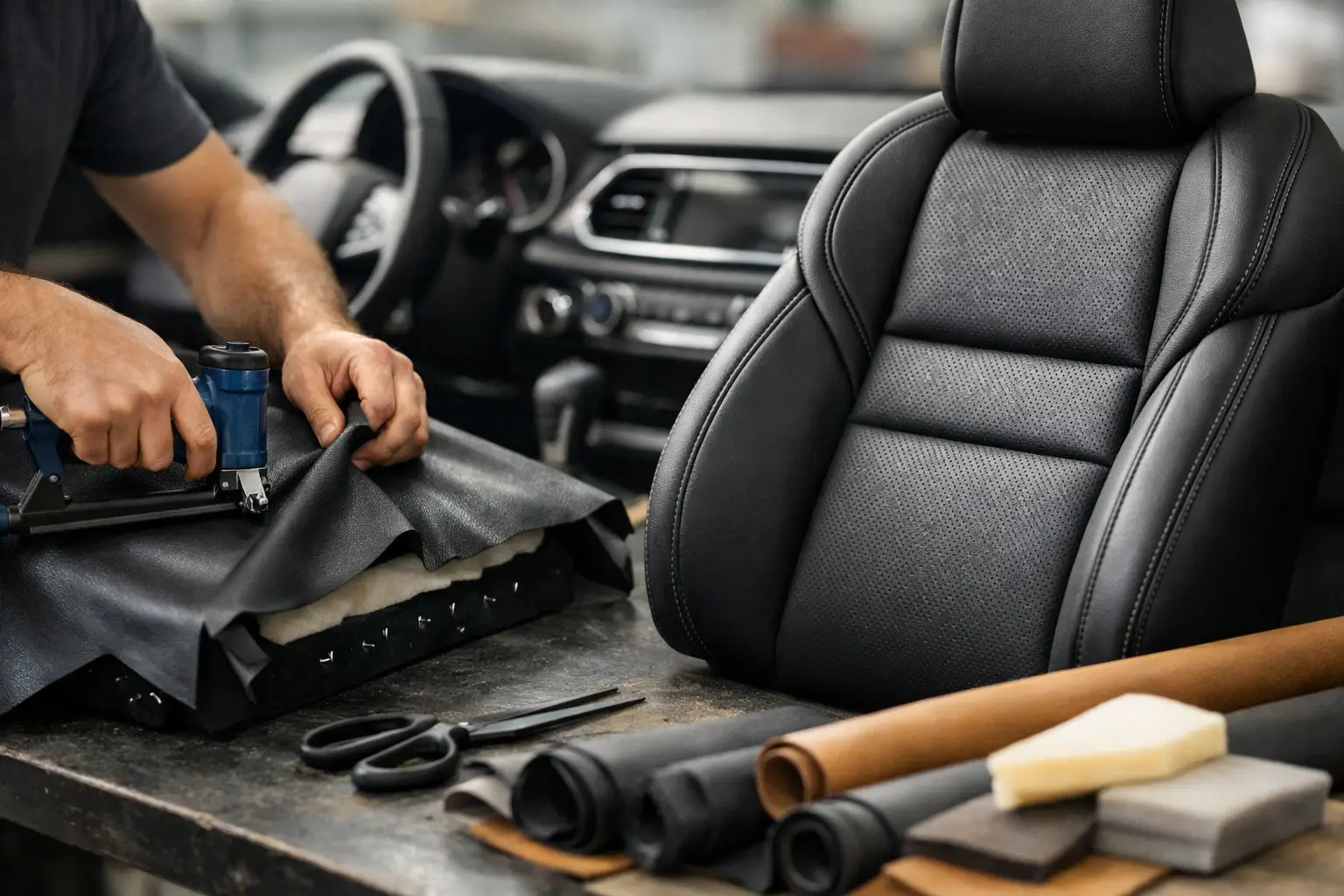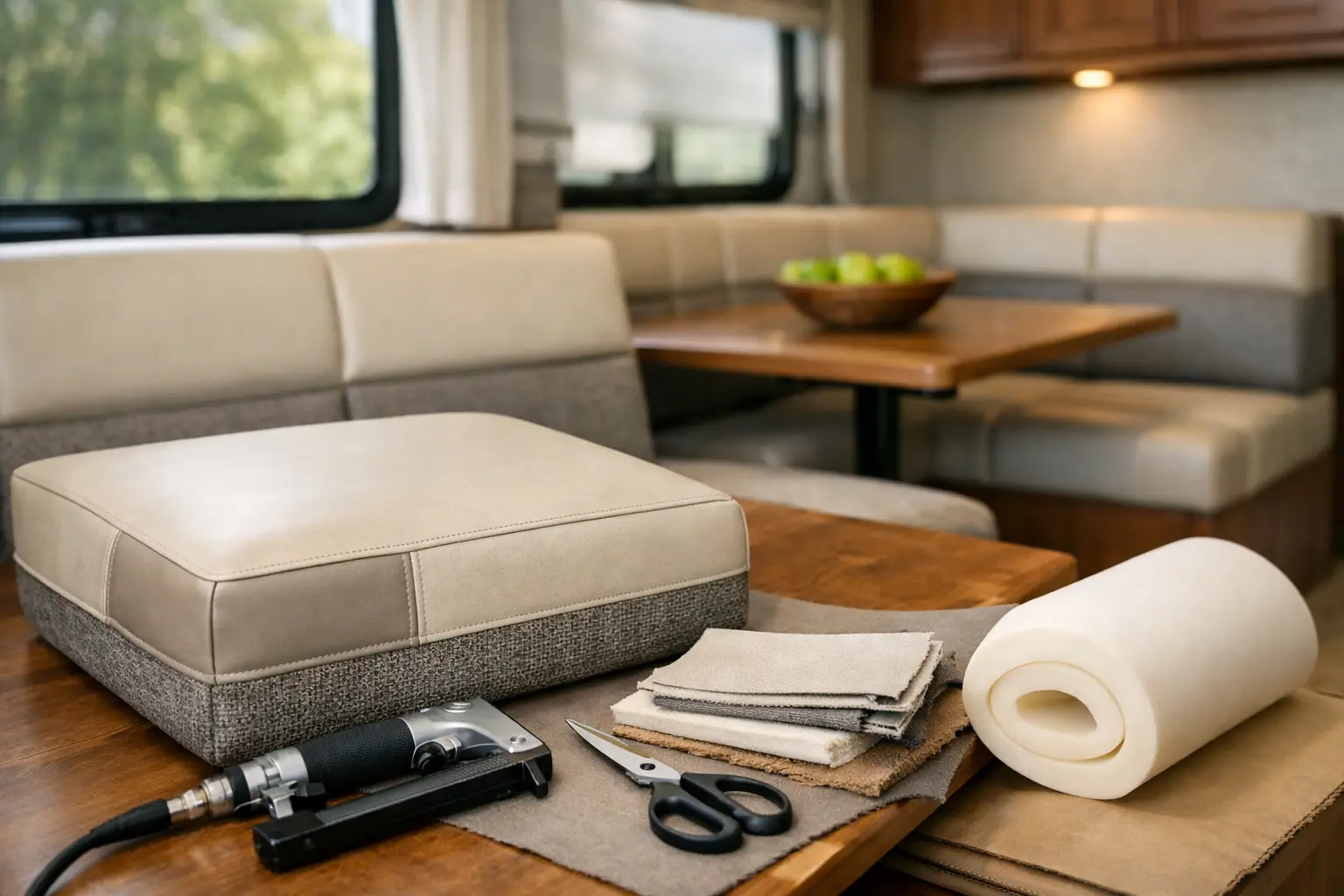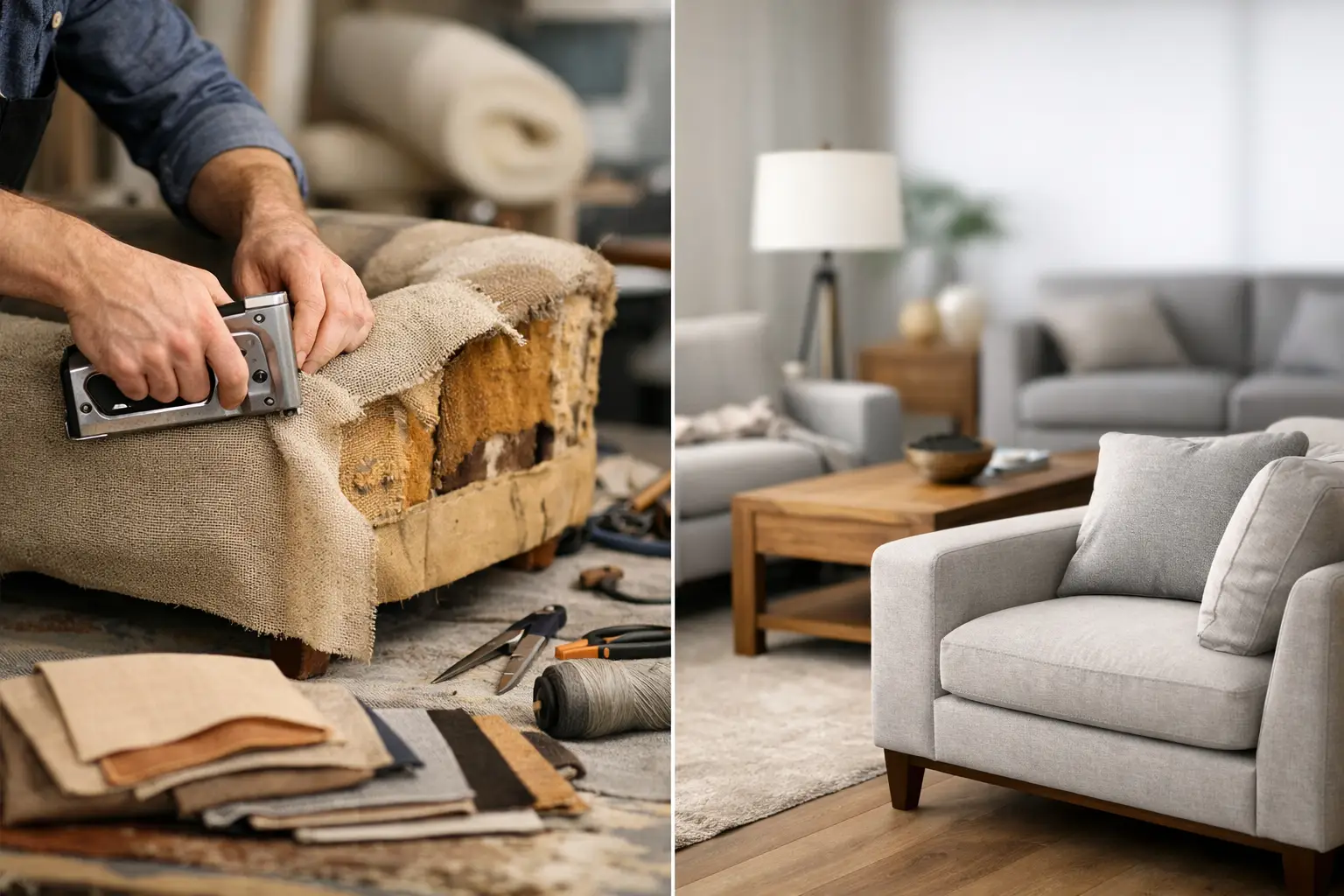
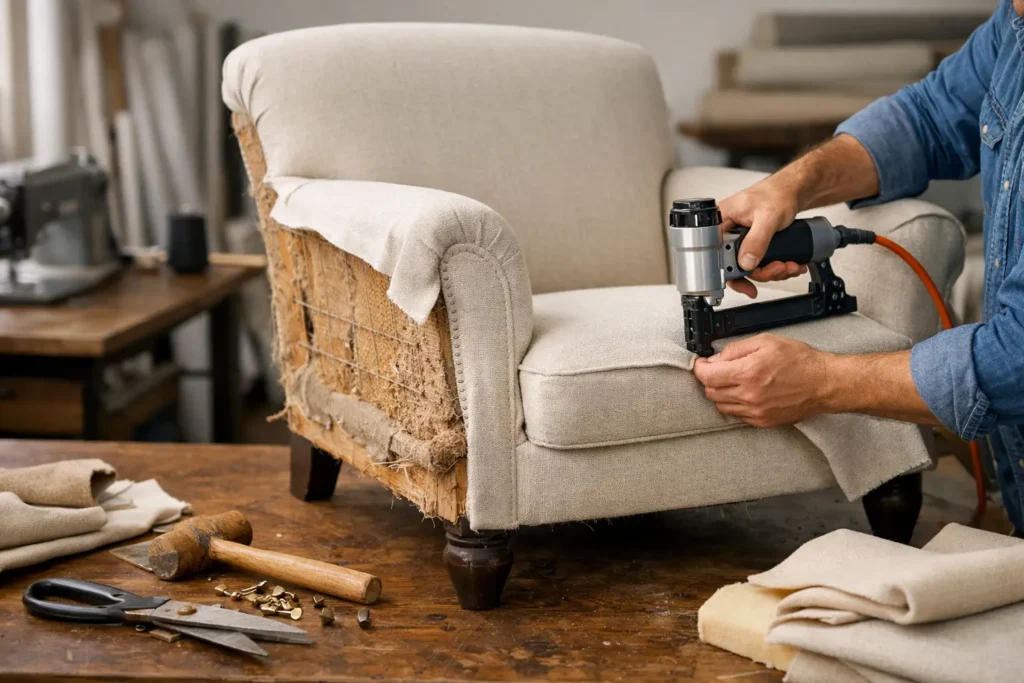
That wobbly dining chair, faded sofa, or worn-out heirloom is not always ready for the dump. A complete guide to furniture reupholstery starts with one simple question: is the piece still worth saving? If the frame, shape, and function still have value, reupholstery can turn a tired piece back into something durable, comfortable, and right for your space.
Reupholstery is not just changing fabric. A proper job can include frame repair, spring work, foam replacement, padding rebuild, webbing repair, tufting, trim, pattern matching, and finish details that affect both comfort and longevity. That is why two chairs that look similar from the outside can require very different levels of labor once the old material comes off.
What furniture reupholstery actually includes
Furniture reupholstery is a broad service, and the scope depends on the condition of the piece. In some cases, the work is mostly cosmetic. The frame is solid, the cushion support is intact, and the main need is updated fabric. In other cases, the outside wear is only part of the issue, and the real work is underneath.
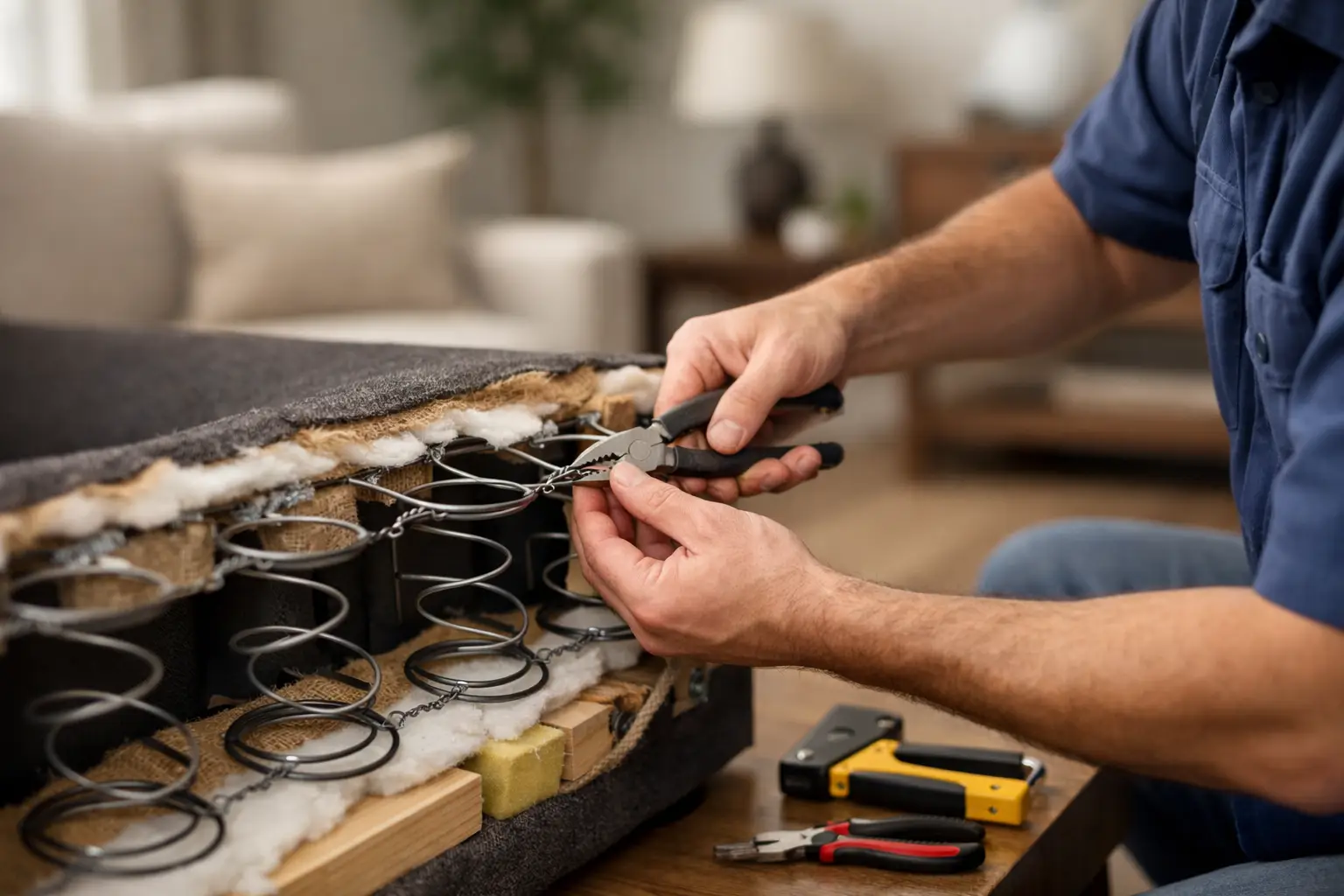
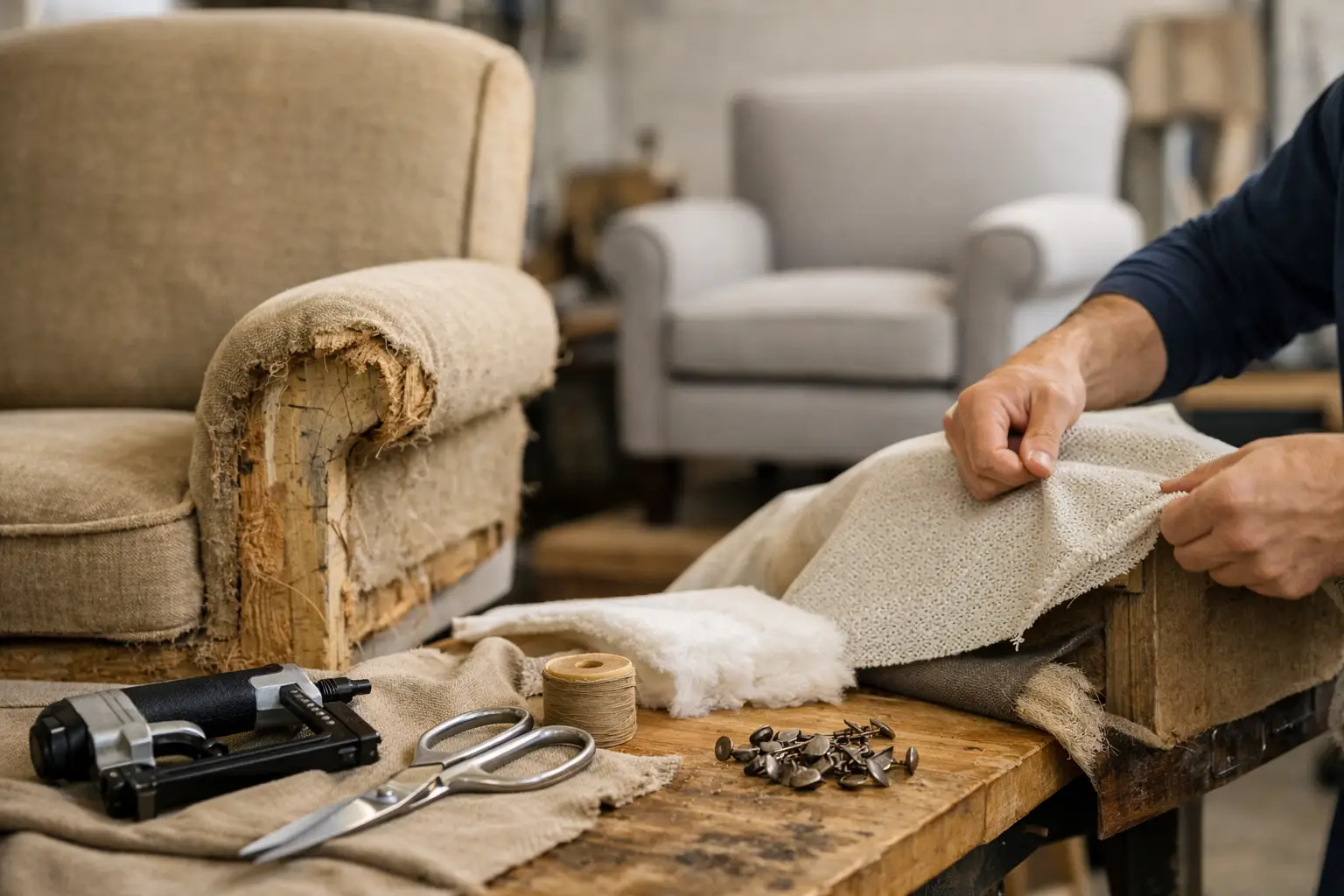
A full reupholstery project often begins with stripping the old fabric and inspecting what is below it. That can reveal broken springs, collapsed foam, loose joints, cracked wood, damaged webbing, or worn padding. If those issues are not corrected, new fabric alone will not hold up well or feel right in use.
This is also where professional craftsmanship matters. Upholstery is shaped work. The fit of the fabric, the alignment of seams, the density of the foam, and the way corners, arms, backs, and cushions are built all affect the final result.
Complete guide to furniture reupholstery: when it makes sense
Not every piece should be reupholstered, but many should. The best candidates usually have strong frames, better construction than newer mass-produced furniture, or sentimental value that replacement cannot solve.
A solid wood dining chair, a well-built sofa, an antique armchair, or a custom bench can often justify the investment. The same goes for furniture that fits a room perfectly but no longer matches the style, color, or wear demands of the space. Reupholstery gives you the chance to keep the piece and change the finish.
It makes less sense when the frame is weak, the construction is low quality, or the cost of rebuilding exceeds the value of the item. Flat-pack furniture and low-grade frames often do not hold up well enough to justify extensive labor. That does not mean every inexpensive-looking piece is a poor candidate, but it does mean the inspection matters.
How to tell whether your furniture is worth saving
The frame is the first place to look. If the piece feels solid, sits level, and does not twist easily, that is a good sign. Hardwood frames, older joinery, and heavier construction often hold up far better than newer lightweight furniture.
Then look at function. A sofa with worn fabric but a comfortable size and strong frame may be an excellent reupholstery candidate. A chair with sentimental importance may be worth restoring even if it needs more labor. Commercial seating often falls into the same category, especially when replacing an entire set would be disruptive or expensive.
The final factor is use. High-traffic seating, family-room furniture, waiting room chairs, and restaurant booths need materials and construction that fit daily wear. Reupholstery gives you more control over those choices than buying off the floor.
Materials matter more than most people expect
Fabric selection is one of the biggest decisions in any reupholstery project, but it should be based on use, not just appearance. A formal chair in a quiet room can handle something very different from a sectional used by kids, pets, and guests every day.
For residential projects, durability, cleanability, texture, and color all matter. For commercial applications, abrasion resistance, maintenance requirements, and code considerations may matter more. Outdoor furniture adds another layer, since moisture, sun exposure, and temperature swings can break down the wrong material quickly.
Leather, vinyl, woven textiles, patterned fabrics, performance fabrics, and specialty materials all have trade-offs. Leather can age beautifully, but it shows scratches and requires the right care. Patterned fabric can make a statement, but it takes more labor to align properly. Performance fabric can be practical for active households, but the hand and appearance vary from one line to another.
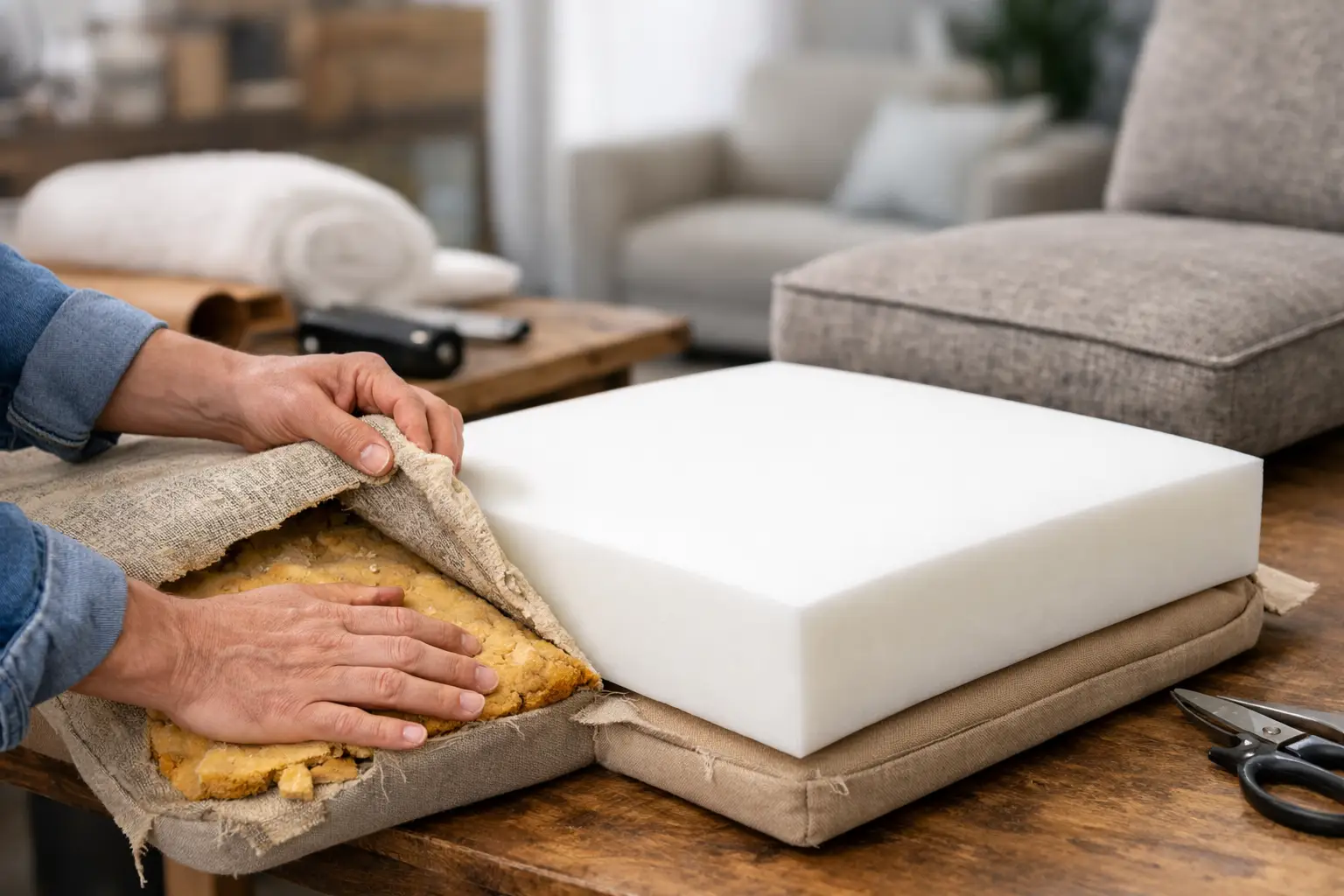
The cushion materials matter too. Foam density changes how a seat feels and how long it lasts. Softer is not always better, and firmer is not always more durable. The right build depends on the furniture design and the way it is used.
What affects the cost of reupholstery
People often ask for a price before the piece is inspected, which is understandable, but reupholstery is rarely one-price-fits-all work. Cost depends on labor, materials, condition, and complexity.
A simple dining chair seat is very different from a channel-back armchair, and both are very different from a large sofa with attached backs, patterned fabric, and damaged spring support. Tufting, welting, skirts, nailhead trim, button work, and unusual shapes all increase labor. Structural repairs and foam replacement also add to the scope.
Fabric cost can vary widely as well. Yardage needs depend on the size of the piece, whether there is a pattern repeat, and how the parts are cut. High-performance or specialty materials can raise the overall investment, but they may save money over time if they extend service life.
That is why estimates are usually based on both the furniture type and the actual condition of the piece.
The reupholstery process from start to finish
A professional process usually starts with an evaluation. The goal is to understand the condition of the frame, support system, cushions, padding, and existing upholstery, along with your goals for style, comfort, and use.
Once the project is approved, the old upholstery is removed carefully. This is where hidden issues often show up. Loose joints, broken springs, degraded foam, and worn webbing are easier to see once the outer layers are stripped down.
Necessary repairs come next. That can include rebuilding support, regluing or reinforcing the frame, replacing foam, restoring contour, and preparing the piece for new upholstery. Only after the foundation is sound does the finish work begin.
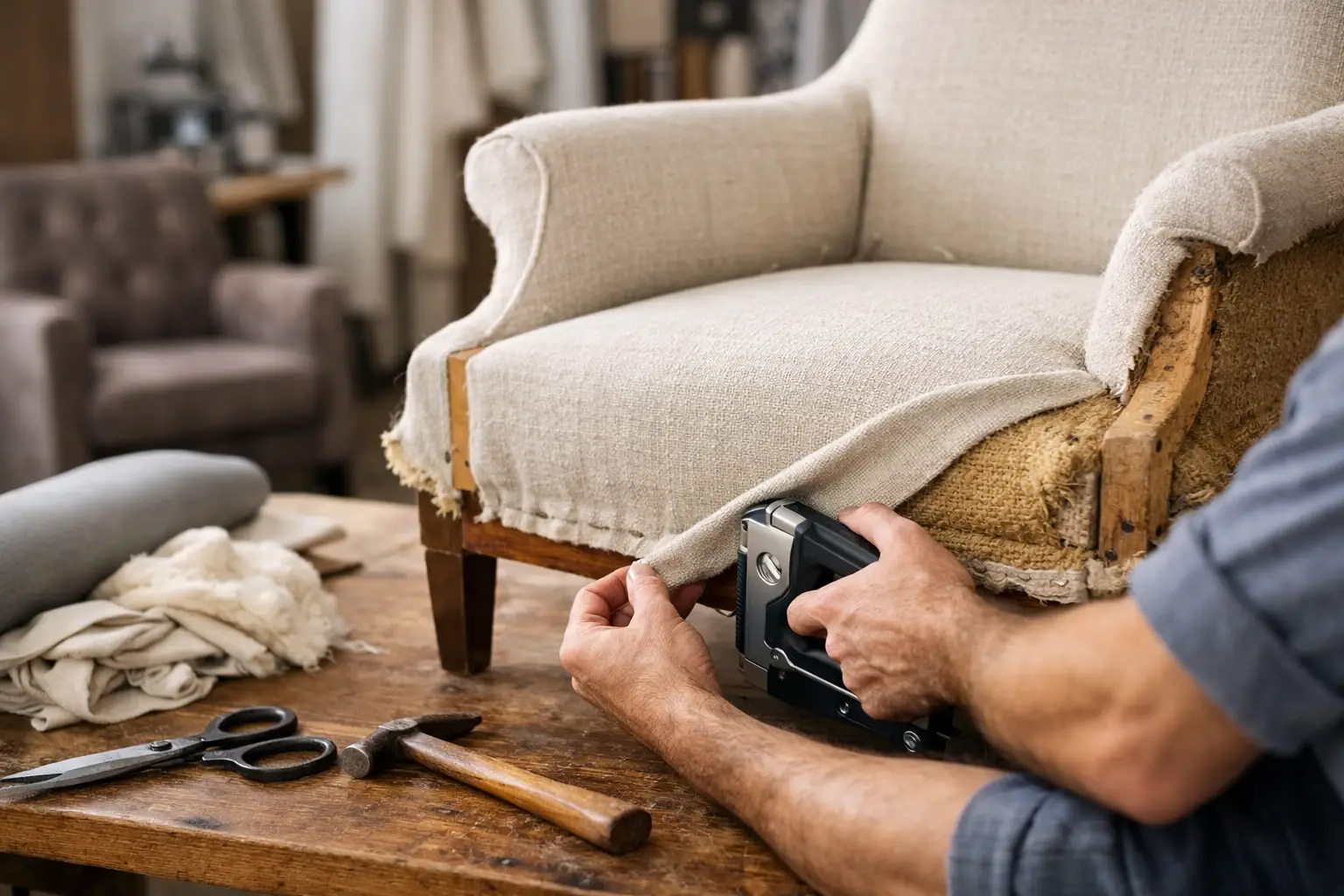
The new material is then measured, cut, fitted, and installed. This stage requires precision. Straight lines need to stay straight. Patterns need to match where appropriate. Cushions need proper fill and shape. The final details should look clean and hold up in daily use, not just look good for delivery day.
Why repair work should not be skipped
One of the biggest mistakes in furniture restoration is treating visible fabric wear as the only problem. If the seat has lost support, the arms feel loose, or the cushion collapses unevenly, the inside structure needs attention too.
Skipping repairs can shorten the life of the new upholstery and leave the furniture uncomfortable or unstable. In many cases, what makes a reupholstered piece feel truly restored is not just the new cover. It is the rebuilt support, fresh padding, corrected shape, and repaired frame underneath.
This is especially true for older furniture, heirloom pieces, and high-use seating. A proper rebuild can preserve the original character while improving function in a way new ready-made furniture often does not match.
Choosing a shop for furniture reupholstery
A good upholstery shop should be able to explain the condition of your piece clearly, recommend materials based on real use, and outline what work is cosmetic versus structural. That matters because customers are not just buying fabric. They are paying for fit, durability, and skilled construction.
Experience across different upholstery categories can also be a strength. Shops that work on residential furniture, commercial seating, outdoor cushions, and specialty interiors tend to understand a wider range of materials, wear conditions, and repair methods. Rocky Mountain Upholstery approaches projects that way, with custom work centered on the piece itself rather than a narrow one-size process.
It is also reasonable to ask about timelines. Custom upholstery takes time, especially when repair and material ordering are part of the job. A careful result is usually worth waiting for.
Complete guide to furniture reupholstery: common misconceptions
One common misconception is that reupholstery is only for antiques. In reality, many newer pieces are good candidates if the frame is solid and the design still works for the space. Another is that reupholstery is only about style. Often, the bigger value is in restoring comfort, support, and function.
There is also the assumption that replacing furniture is always cheaper. Sometimes it is. But when you compare quality for quality, especially with custom or well-built furniture, replacement can be more expensive than people expect. Reupholstery also gives you control over the final look and material performance in a way retail furniture often does not.
If you are looking at a piece and wondering whether to replace it or restore it, start with the bones of the furniture, not the surface. Good craftsmanship underneath is what makes reupholstery worth doing, and when that foundation is there, a worn piece may have far more life left in it than it appears.