A worn seat cushion, faded fabric, or torn armrest does not always mean a chair or sofa is ready for the curb. In many cases, what is reupholstering furniture comes down to this: removing old upholstery materials and rebuilding the piece with new fabric, padding, support, and finishing details while keeping and restoring the original frame.
For homeowners, business owners, and vehicle or specialty interior owners, reupholstery is often the right option when the structure still has value but the surface, comfort, or support has failed. It is not just a cosmetic update. A proper reupholstery job can address fabric wear, broken springs, collapsed foam, damaged webbing, and even structural issues inside the frame.
What is reupholstering furniture and what does it include?
Reupholstering furniture is the process of stripping a piece down past the visible fabric so the materials underneath can be inspected, repaired, and replaced as needed. That usually includes removing the old cover, padding, foam, batting, webbing, springs, trim, and sometimes sections of damaged wood. Once the frame and support system are corrected, the piece is rebuilt with new materials and finished with carefully fitted upholstery.
That definition matters because many people use reupholstery to describe any furniture update, even when the work is much lighter. A simple recover typically means replacing fabric only, with most of the existing padding and structure left in place. Reupholstery goes deeper. It deals with the condition of the whole piece, not just what you see on the outside.
On a dining chair, the work may be fairly straightforward if the seat base is solid and only the fabric and foam need replacement. On a sofa, wingback chair, booth, or heirloom armchair, the job can involve substantial labor. The more tailored the shape, the more detailed the patterning, stitching, and fit need to be.
When reupholstery makes sense
Reupholstery is usually worth considering when the piece has good bones. That can mean hardwood framing, quality joinery, a shape you cannot easily replace, or sentimental value that matters to your household. It also makes sense when the current piece fits your space well but looks dated, feels uncomfortable, or no longer matches the room.
This is common with older furniture that was built better than many mass-produced pieces sold today. A sofa from years ago may have a stronger frame than a new low-cost replacement, even if the cushions and fabric are worn out. In that case, rebuilding the interior and applying new upholstery can extend its life for many more years.
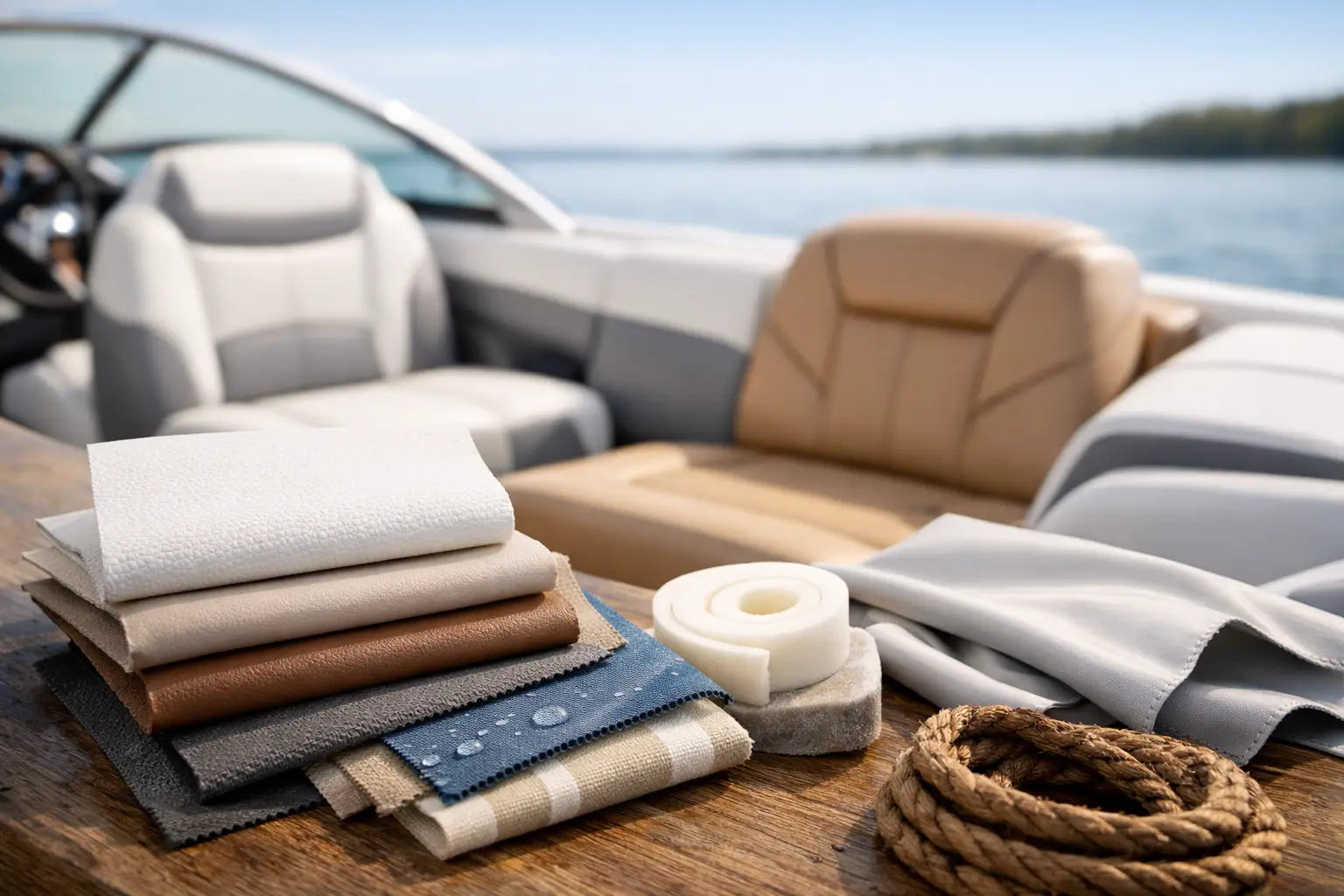
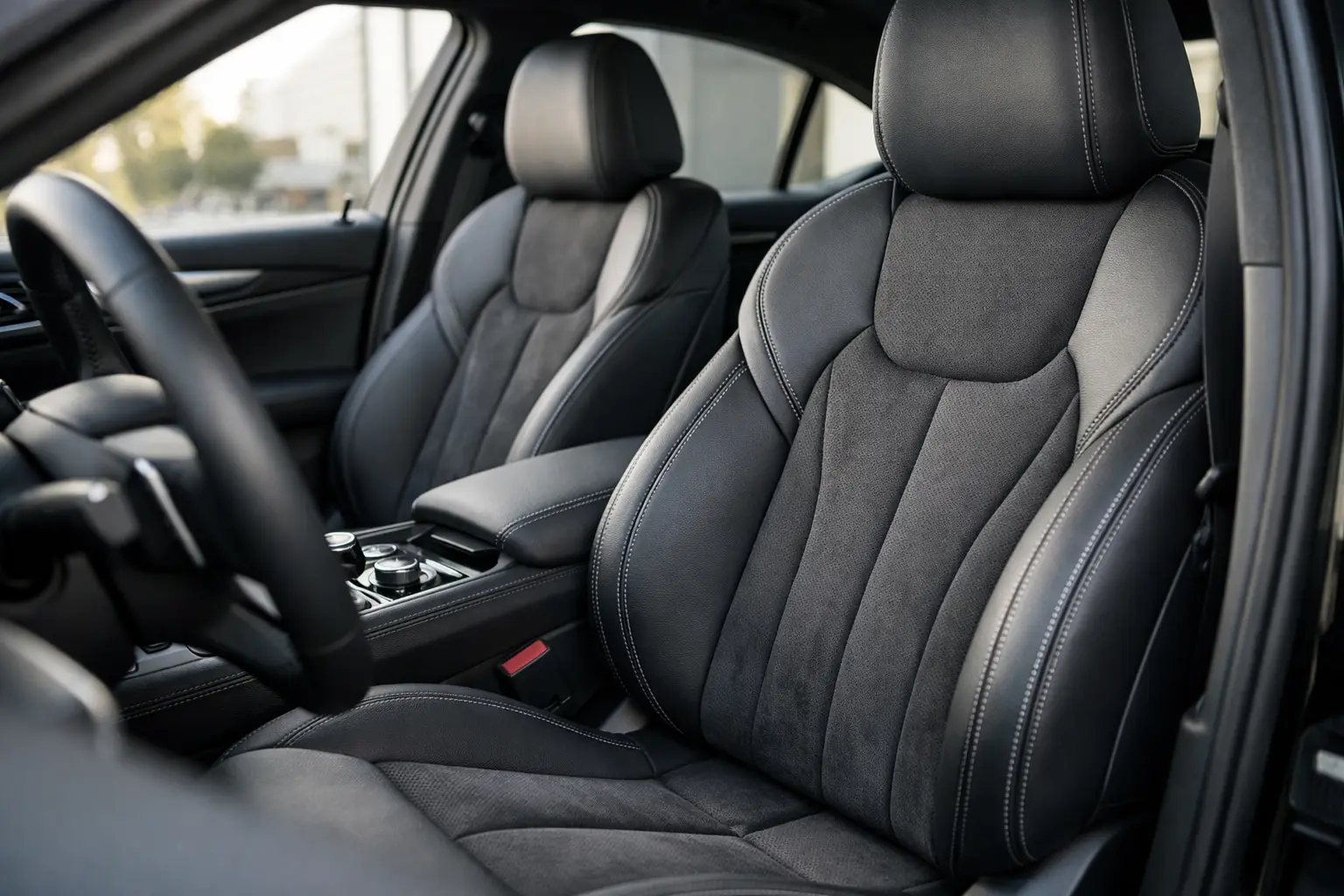
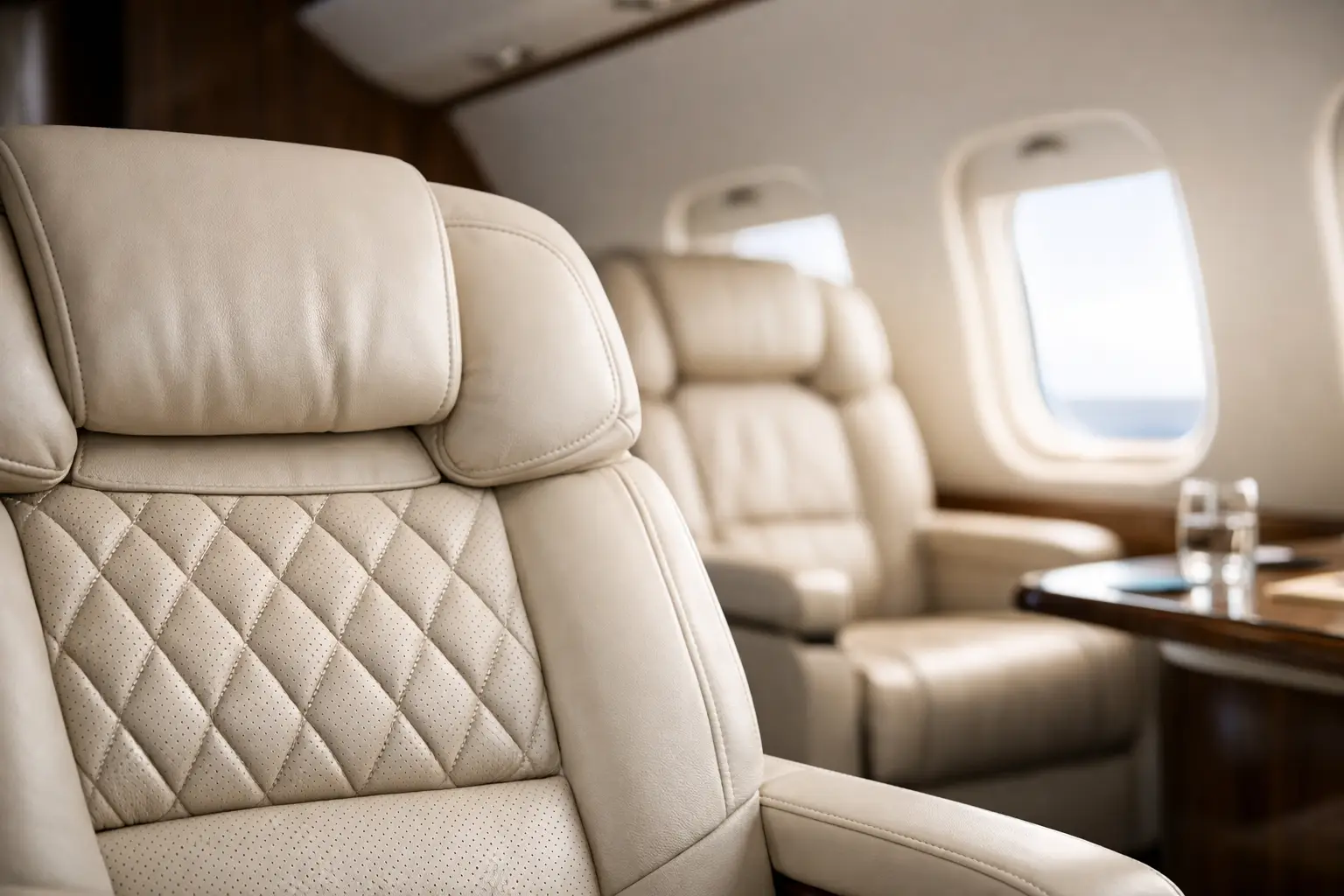
It can also be the right move for commercial seating, restaurant booths, waiting room chairs, church seating, theater seats, and other high-use applications where replacing everything would be more disruptive or expensive than restoring what is already there. The same logic applies to RV cushions, boat seating, automotive interiors, and other specialty projects where fit and customization matter.
What happens during the reupholstery process?
Every project is a little different, but the process usually starts with evaluating the frame, support, padding, and existing cover. This determines whether the piece needs fabric replacement only or more extensive restoration.
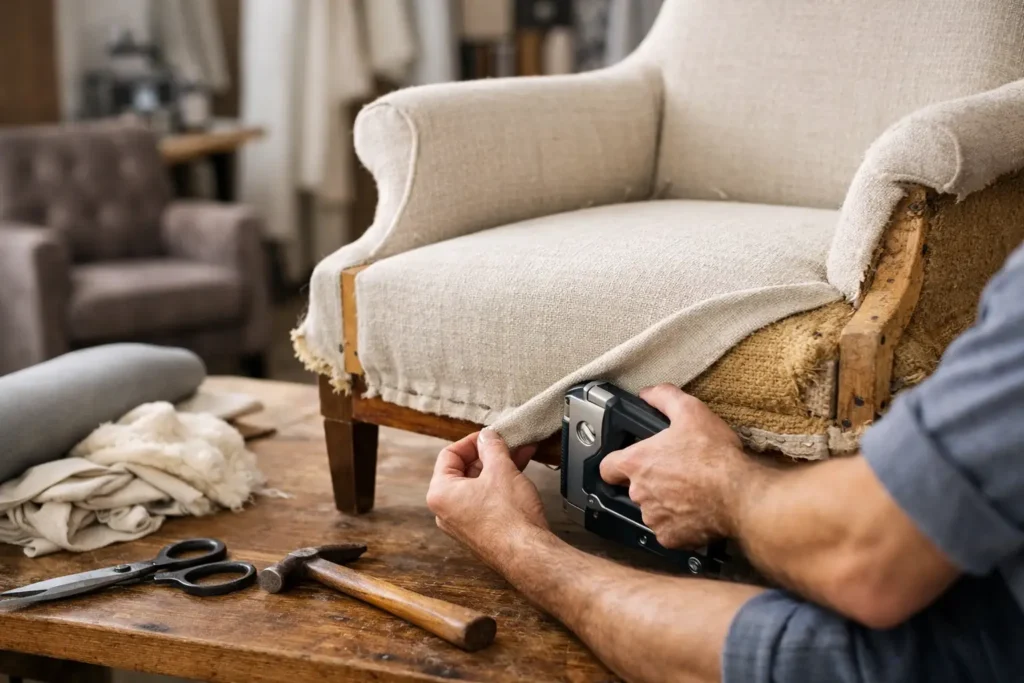
The old upholstery is then removed carefully. This step exposes what is happening underneath, and that is often where the real condition of the piece becomes clear. Foam may be breaking down, webbing may be stretched, springs may be loose, and joints may need reinforcement.
If needed, structural repairs are made before the new upholstery goes on. That may include regluing or rebuilding frame sections, replacing broken boards, correcting spring tension, installing new webbing, or reshaping cushions with fresh foam. Once the foundation is sound, new fabric or vinyl is cut and fitted to the piece. Depending on the style, the job may also involve welting, tufting, channeling, decorative nails, button work, or custom stitching.
A professional result depends on precision at each stage. Upholstery is not just about attaching fabric. Proper fit, pattern alignment, seam placement, cushion shape, and material tension all affect how the finished piece looks and wears over time.
What reupholstery can fix beyond appearance
People often come in focused on the visible problem – a rip, stain, or dated print. But reupholstery can solve comfort and function issues too.
If a chair feels hard, lumpy, or uneven, the foam may need replacement. If a sofa sags, the issue may be in the springs, deck, or support layers under the cushions. If a booth seat shifts or creaks, the frame may need repair. In outdoor, marine, or automotive applications, cracked vinyl, sun damage, moisture exposure, and seam failure are also common reasons for rebuilding the upholstery.
This is one reason reupholstery can be a better long-term solution than covering damage with slipcovers or quick patch repairs. The work gets to the source of the problem instead of hiding it.
What is reupholstering furniture compared to buying new?
The answer depends on the quality of the piece, the scope of work, and your goals. Reupholstery is not always the cheapest option upfront. Skilled labor, quality materials, and custom fitting take time. If a piece is low-grade, poorly built, or badly damaged beyond practical repair, replacement may make more sense.
But cost is only one part of the decision. If the furniture has a strong frame, fits your room perfectly, or carries personal value, reupholstery often offers better long-term value than replacing it with something lower quality. It also gives you more control over the final result. You can choose the fabric, cushion feel, durability level, and style details instead of settling for whatever is available on a showroom floor.
For commercial and specialty interiors, the comparison is even more practical. Reupholstering existing seating or panels can help maintain a consistent layout, preserve built-in components, and reduce downtime compared with full replacement.
Choosing the right materials matters
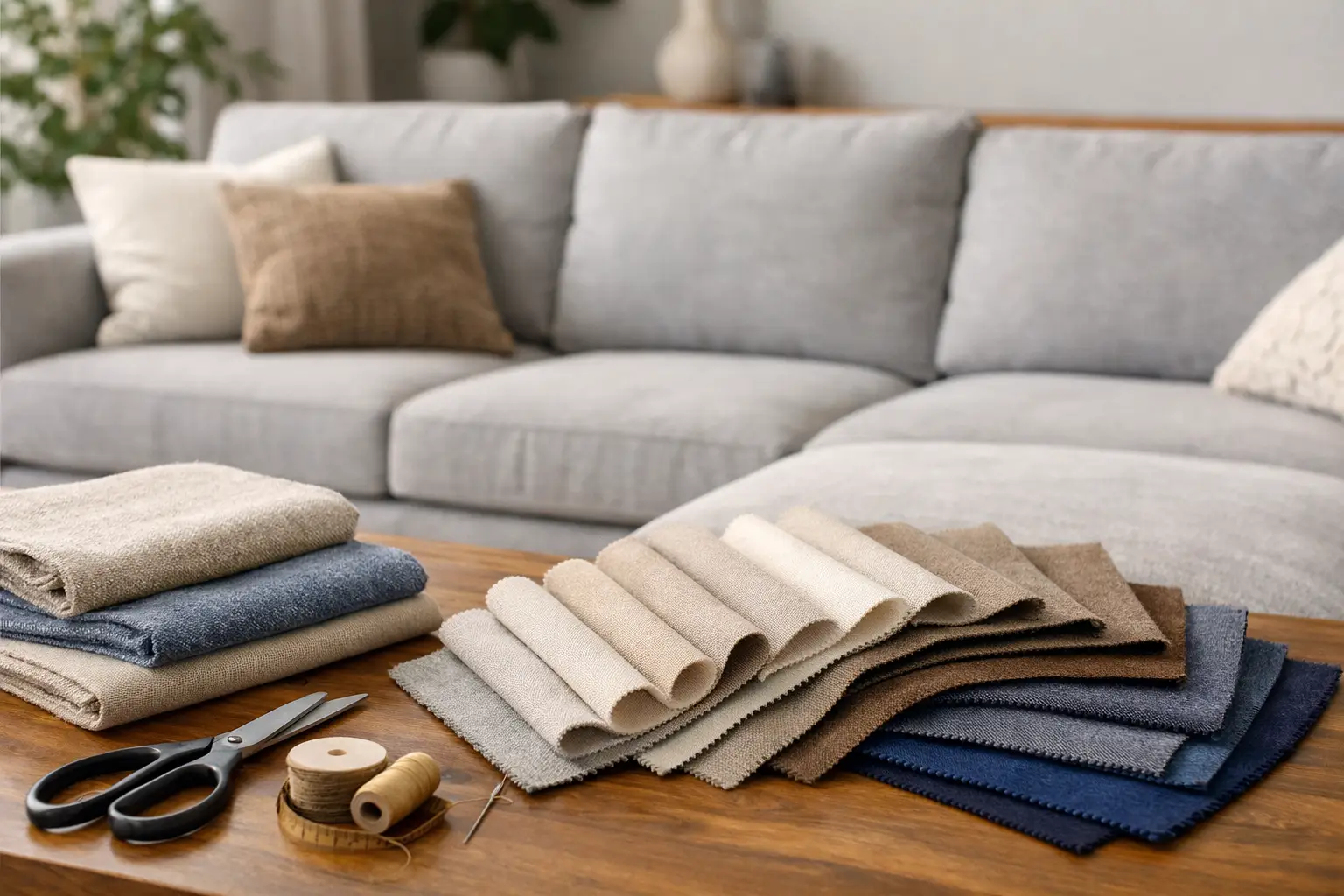
The fabric or vinyl is only one part of a successful upholstery job. Material selection should match how the piece is used.
A family room sofa with kids and pets needs different performance characteristics than a formal sitting room chair. Restaurant seating needs durability and cleanability. Boat cushions and patio pieces need materials that can handle moisture, sunlight, and temperature changes. Automotive, RV, and aviation interiors often require specific materials and construction methods suited to those environments.
Foam density, cushion firmness, backing, seam strength, and cleaning requirements all matter. A good shop will help match materials to the application so the finished piece looks right and holds up under real use.
Signs a piece is a good candidate
Not every piece should be reupholstered, but many are better candidates than people expect. Furniture is often worth saving when the frame is solid, the proportions work in your space, or the style is difficult to replace. The same goes for custom or built-in seating where replacement would involve more than simply buying new furniture.
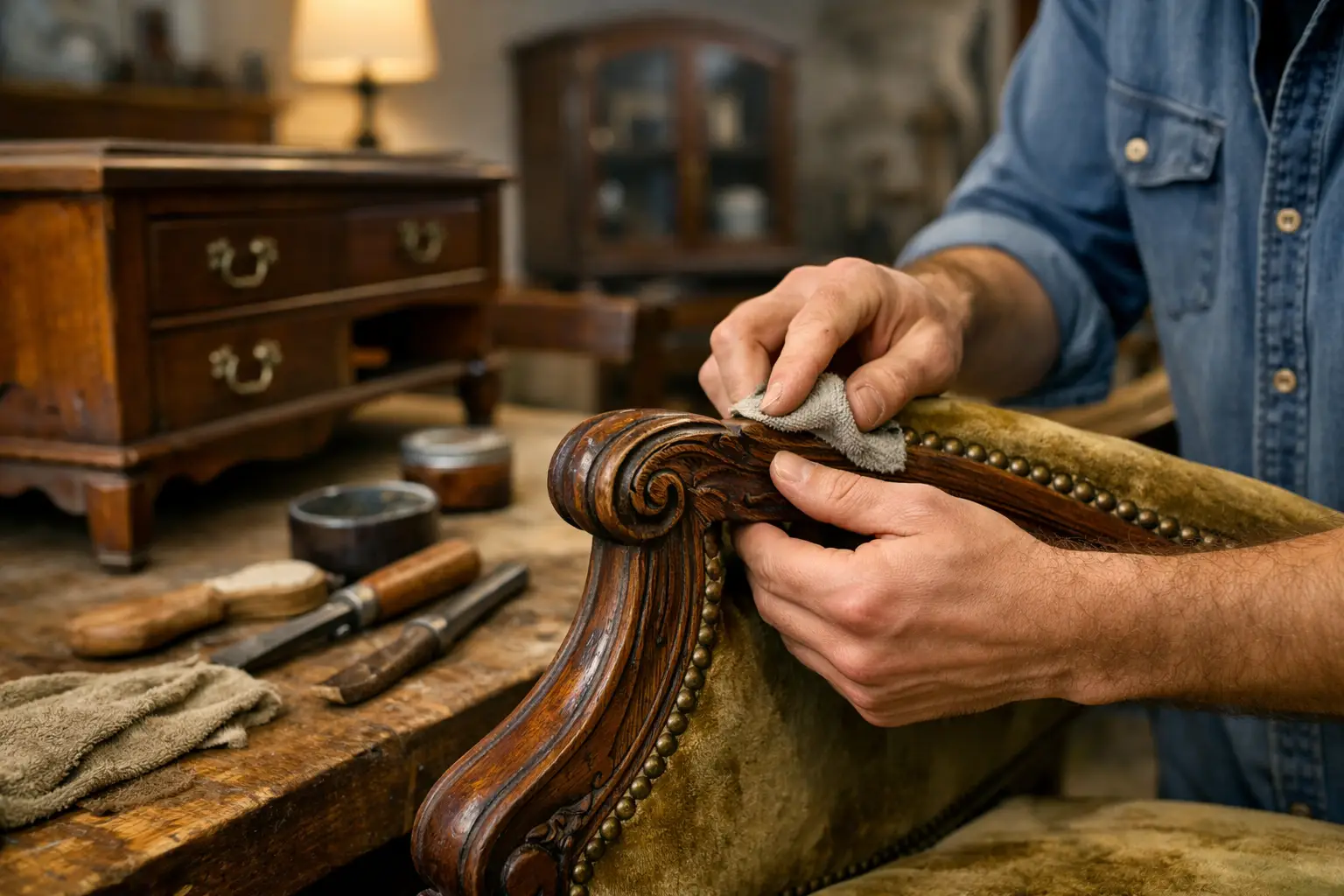
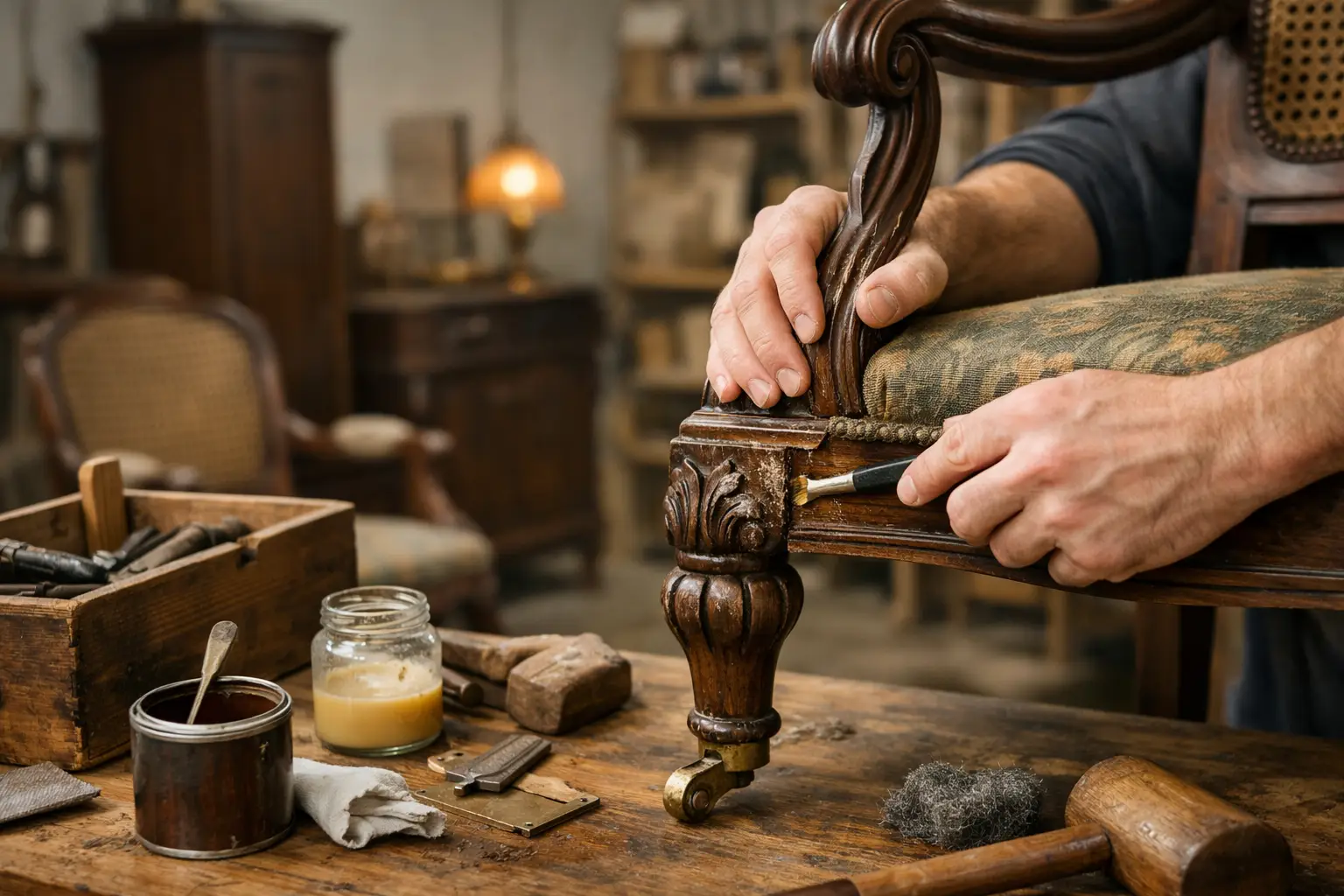
Pieces with carved wood details, unusual shapes, heirloom construction, or older hardwood frames are especially common candidates. Even when the upholstery is badly worn, the underlying structure may still justify the investment.
On the other hand, if the frame is weak, the materials are low quality throughout, or the repairs would exceed the value of the result, a professional assessment may point you toward replacement instead.
Why professional craftsmanship matters
Reupholstery is a trade built on hands-on experience. Measuring, patterning, cutting, sewing, stretching, padding, and rebuilding all require accuracy. Small mistakes show quickly in upholstery work. Misaligned patterns, loose fabric, uneven cushions, and poor seam placement can make even expensive materials look substandard.
That is why many customers choose an experienced full-service shop rather than treating reupholstery as a basic fabric swap. A skilled upholstery team can evaluate the structure, recommend the right materials, and carry the project from teardown to final installation. For a company like Rocky Mountain Upholstery, that same craftsmanship extends beyond residential furniture to automotive, marine, RV, aviation, outdoor, and commercial applications where fit and durability are just as important as appearance.
Reupholstery is really about preserving what still works and restoring what no longer does. If a piece has value in its frame, function, or history, rebuilding it can be a practical way to get comfort, durability, and a better fit for how you use it now.