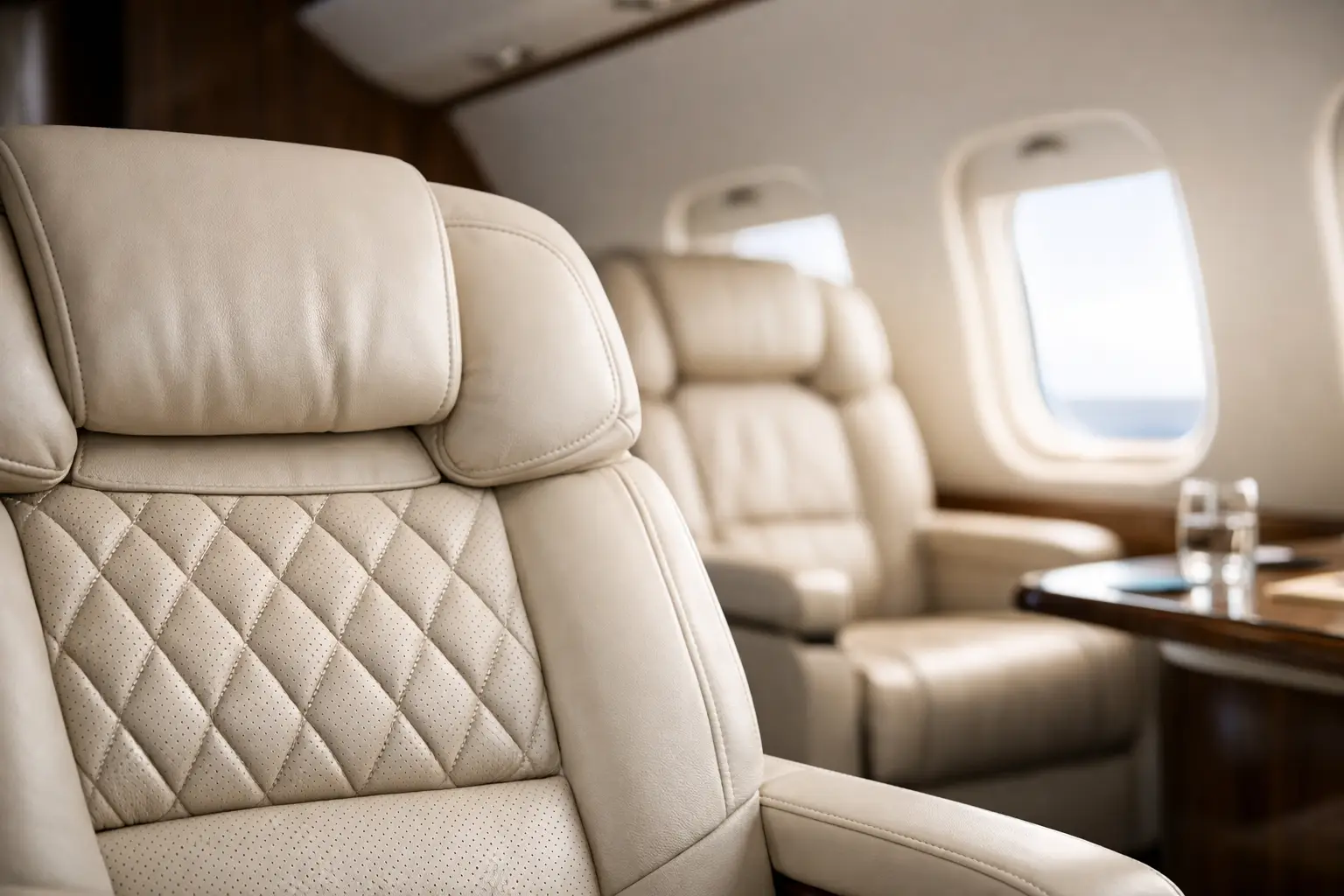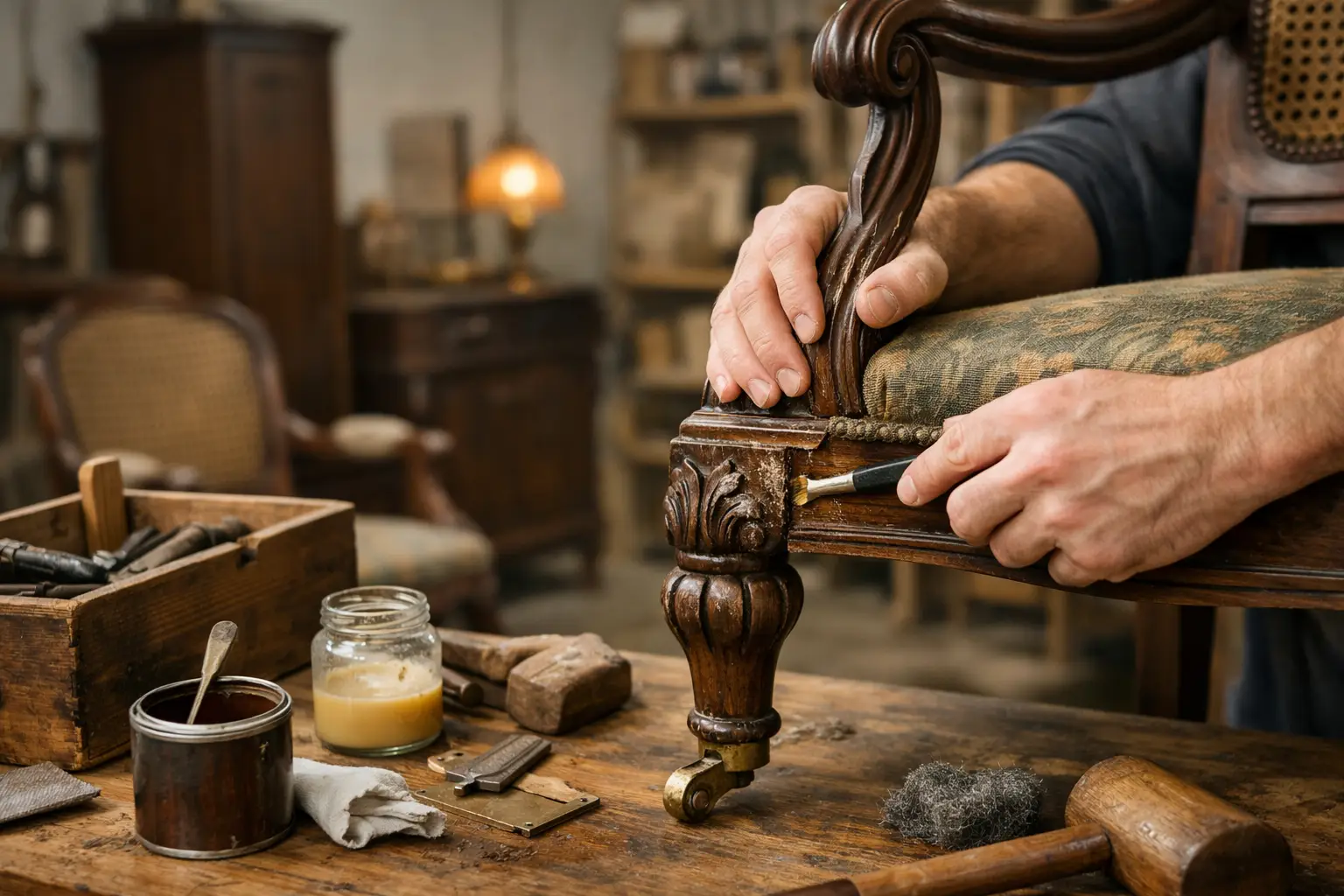
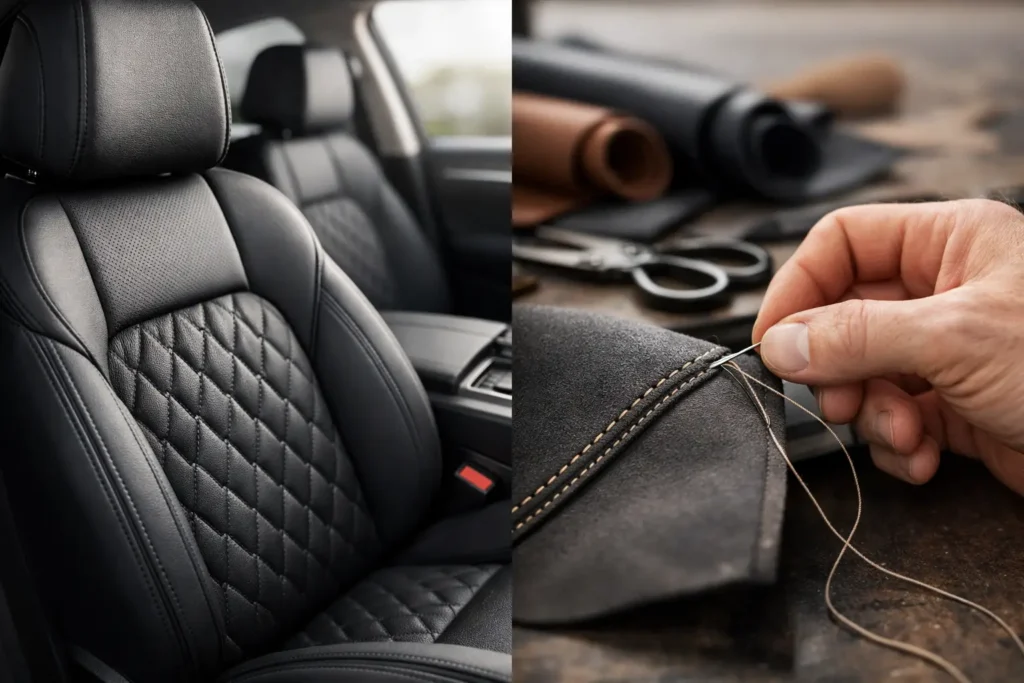
A worn driver seat tells the story before the odometer does. Cracked vinyl, flattened foam, split seams, and a sagging headliner can make a solid vehicle feel tired long before its mechanical life is over. If you have been asking what is car interior upholstery, the short answer is this: it is the set of materials, padding, panels, stitching, and trim work that cover and finish the inside of a vehicle.
That simple definition only goes so far. In practice, car interior upholstery includes the visible surfaces you sit on, lean against, touch, and look at every time you drive. It affects comfort, appearance, resale value, and how well the interior holds up to daily use, sun exposure, spills, and temperature swings.
What Is Car Interior Upholstery Made Of?
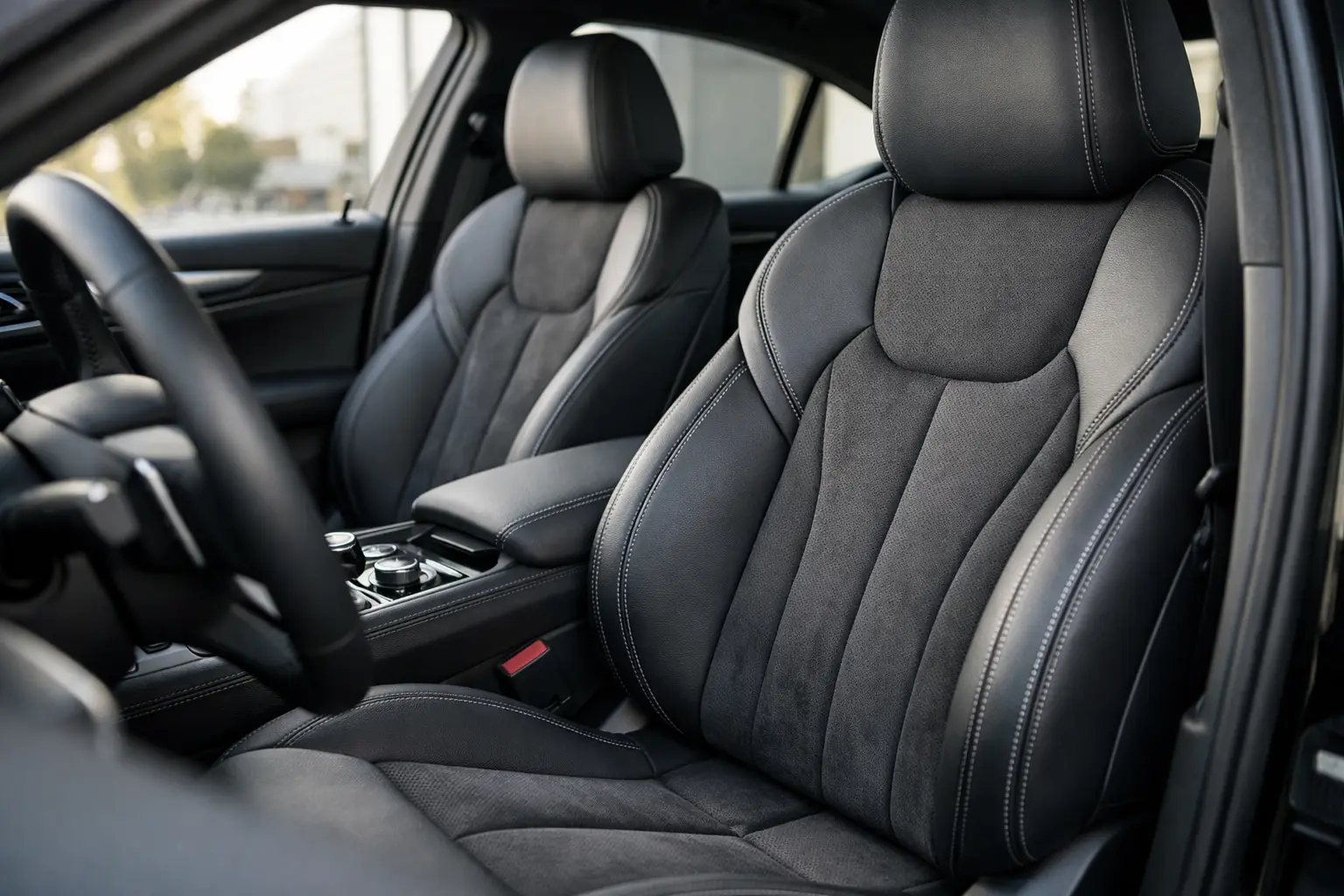
Car interior upholstery usually includes seat covers, foam padding, door panels, headliners, armrests, center console coverings, pillars, and sometimes carpeting or trunk liners depending on the project. Some interiors are mostly cloth. Others use vinyl, leather, synthetic leather, suede-style materials, or a combination of surfaces chosen for comfort, durability, and appearance.
Under those finished surfaces, there is often much more going on than people expect. Upholstery work may involve replacing broken stitching, reshaping foam, repairing backing boards, rebuilding panel structure, and matching original patterns as closely as possible. In custom work, it can also mean changing colors, adding inserts, upgrading materials, or reworking seat contours for a different look and feel.
That is why upholstery is not just fabric. It is a combination of material selection, fit, support, and craftsmanship.
What Is Car Interior Upholstery Responsible For?
A good interior does more than look clean. Upholstery affects how the seat supports your body on a long drive, how the cabin handles wear, and whether the vehicle feels maintained or neglected. When the foam compresses too much or the seat cover tears at a seam, comfort and function both start to drop.
Interior upholstery also protects underlying components. Seat frames, panel boards, and padding last longer when the finished materials stay intact. Once covers split or a headliner begins to fail, the damage tends to spread. Sun, friction, body oils, moisture, and repeated entry and exit all work against the interior over time.
From a practical standpoint, upholstery work can help preserve a vehicle that still has strong mechanical value. For owners of classic cars, specialty vehicles, trucks, RVs, or well-kept daily drivers, restoring the interior often makes more sense than living with growing damage or trying to replace the vehicle entirely.
The Main Parts of a Car Upholstery Interior
When most people think about automotive upholstery, they think of seats first. Seats are a major part of the work, but they are not the whole job. Front and rear seats may need new covers, foam repair, spring correction, or frame-related adjustments depending on age and use.
Door panels are another common issue area. The panel material can fade, warp, separate, or pull away from the backing. Armrests and inserts wear faster than surrounding surfaces because they take constant contact. If the goal is a consistent interior, these parts usually need to be evaluated together rather than one at a time.
Headliners are also part of car interior upholstery. When the fabric starts sagging from the roof, the problem is usually adhesive failure or breakdown of the foam backing beneath the fabric. Replacing a headliner takes more than gluing fabric back up. It often requires removing panels, cleaning the substrate properly, and installing the right material for a clean, lasting result.
Console lids, shift boots, sun visors, kick panels, and pillar coverings can also fall under upholstery work depending on the vehicle and the scope of restoration.
Common Upholstery Materials and How They Compare
Cloth remains common because it is comfortable, widely available, and often more forgiving in hot or cold weather. It can be a practical option for daily drivers, but some cloth materials stain more easily and may show wear faster in high-contact areas.
Vinyl is often chosen for durability, easier cleaning, and cost control. It performs well in many applications, though lower-grade vinyl can stiffen, crack, or shrink over time, especially with sun exposure. Better-grade vinyl products hold up much better, so material quality matters.
Leather offers a premium look and feel, and when maintained properly, it can age well. At the same time, leather is not automatically the best choice for every vehicle. It typically costs more, can show scratches and drying if neglected, and may require more regular conditioning than synthetic alternatives.
Synthetic leather and performance upholstery materials have become popular because they can offer a clean appearance, good wear resistance, and easier maintenance. In many cases, they provide a practical middle ground between cost, durability, and style.
The right material depends on how the vehicle is used. A collector car, a family SUV, a work truck, and a custom build do not all need the same approach.
When Repair Makes Sense and When Replacement Is Better
One of the most common questions is whether damaged upholstery can be repaired or if it needs full replacement. The answer depends on the extent of the damage, the age of the material, and whether the surrounding sections are still sound.
A split seam, small tear, or localized panel issue may be repairable if the material has enough strength left and the color match is workable. Foam can sometimes be rebuilt without replacing the full seat. Minor burns, loose inserts, and separated sections may also be addressed without starting over completely.
But there are limits. If the material is brittle, badly faded, shrinking, or cracked in multiple places, patch repairs usually do not hold up or look consistent. The same is true when foam has collapsed, internal support is failing, or multiple panels are worn past serviceable condition. In those cases, replacement gives a better long-term result.
This is where experienced evaluation matters. The least expensive short-term fix is not always the most cost-effective option over the life of the vehicle.
What Is Car Interior Upholstery in a Restoration Project?
In a restoration setting, what is car interior upholstery really about? It is about bringing the cabin back to the right level of function and finish for the vehicle. That may mean factory-style restoration, where patterns, pleats, textures, and colors are matched as closely as possible. It can also mean a custom upgrade that improves durability or modernizes the look.
For older vehicles, restoration often involves more than replacing visible material. Foam may need reshaping. Seat frames may need repair. Backing boards may need rebuilding. Original trim details may need to be preserved or recreated. If the goal is quality work, the process has to address both structure and surface.
That is why upholstery shops evaluate the whole interior rather than treating every issue as cosmetic.
Why Professional Upholstery Work Matters
Automotive upholstery has to fit correctly, wear evenly, and hold up under repeated use. A cover that looks acceptable on day one can start wrinkling, pulling, or failing at the seams if the patterning, sewing, foam prep, or installation is off.
Professional work matters because vehicle interiors are made up of tight curves, shaped panels, hardware cutouts, and material transitions that need precise handling. Matching stitch lines, restoring seat shape, selecting the right backing, and securing materials properly all affect the finished result.
For customers in Colorado Springs who want to preserve a valuable vehicle, restore a worn interior, or update a car that still has years of service left, skilled upholstery work provides a practical alternative to replacement. Shops such as Rocky Mountain Upholstery handle everything from repair and restoration to custom interior work, which is important when a project goes beyond a simple seat cover issue.
How to Tell If Your Interior Needs Attention
Most upholstery problems start small. A loose seam, soft spot in the seat, or bubbling panel may not seem urgent at first. But those are usually signs that material, foam, adhesive, or structure is beginning to fail.
If you notice cracked surfaces, exposed foam, sagging fabric, shifting panels, or seats that no longer support you well, it is worth having the interior looked at sooner rather than later. Early repairs can sometimes prevent larger reconstruction work. Waiting too long can turn a manageable job into a full rebuild.
A well-kept interior does not happen by accident. It is the result of materials that suit the vehicle, workmanship that fits the application, and repairs made before damage spreads. If your cabin still has good bones, upholstery work can give it back the comfort, appearance, and value it has been losing one worn seam at a time.