A torn seat bolster, sagging headliner, cracked vinyl door panel, or worn carpet can make a solid vehicle feel neglected fast. If you have ever asked what is automotive upholstery, the short answer is this: it is the collection of soft interior materials and the skilled work involved in repairing, replacing, and customizing them.
That answer only goes so far. In practice, automotive upholstery covers far more than seat covers. It includes the fabrics, vinyl, leather, foam, padding, stitching, panels, liners, and trim details that shape how a vehicle looks, feels, and holds up over time. It also includes the hands-on craftsmanship required to restore damaged interiors, match original designs, and build custom solutions that fit the vehicle correctly.
What Is Automotive Upholstery in Practical Terms?
Automotive upholstery refers to both the materials inside a vehicle and the trade used to install, repair, and restore them. When an upholstery shop works on a car, truck, SUV, classic vehicle, or specialty vehicle, the job may involve replacing worn seat material, rebuilding collapsed foam, repairing seams, recovering door panels, installing a new headliner, or redoing the carpet and trim.
The key point is that upholstery is not just cosmetic. A vehicle interior has to handle constant use, sun exposure, temperature swings, moisture, friction, and body weight. Good upholstery work improves comfort, supports the driver and passengers properly, and helps preserve the vehicle’s overall condition.
For some owners, the goal is simple repair. For others, it is restoration or customization. A newer daily driver may need one damaged seat panel replaced. A classic car may need a full interior rebuild that respects the original pattern and style. An older work truck may need durable materials that hold up better than the factory interior did.
What Parts of a Vehicle Are Included?
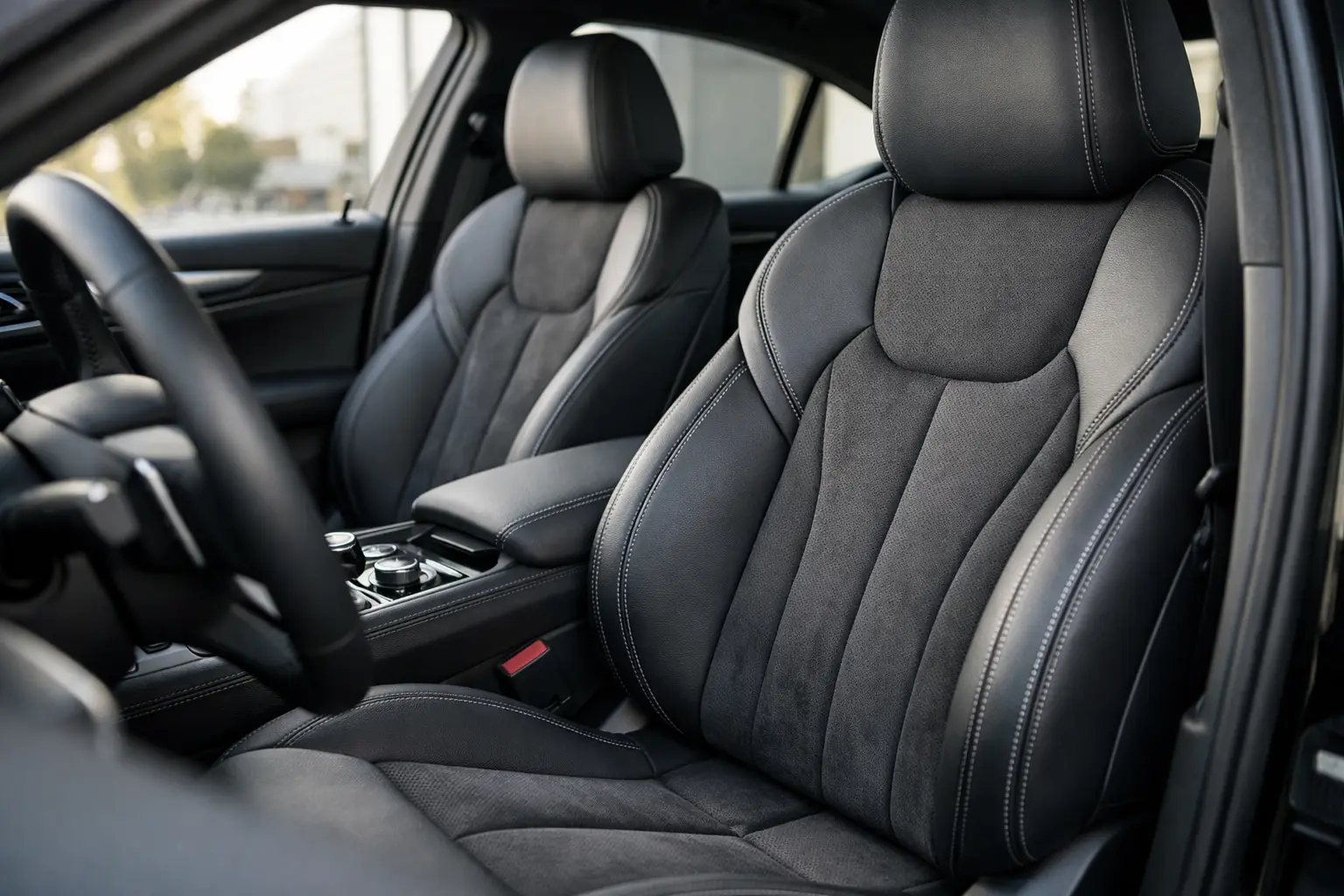
Most people think of seats first, and that is a large part of the job, but automotive upholstery usually extends across multiple interior surfaces. Seat bottoms, seat backs, headrests, center consoles, armrests, door panels, headliners, sun visors, carpeting, trunk liners, and interior trim panels can all fall under upholstery work.
In some projects, the issue is visible wear like cracking, tearing, fading, or staining. In others, the problem is structural. Foam may break down, padding may flatten, backing boards may warp, or stitching may fail long before the vehicle is mechanically worn out. Upholstery repair addresses those hidden problems as well, which is why a proper restoration often feels different from a simple cover-up.
Custom work can also include pattern changes, contrast stitching, upgraded materials, embroidery, inserts, bolsters, and comfort-focused foam adjustments. That matters for owners who want to modernize an interior or tailor it to how the vehicle is actually used.
Common Automotive Upholstery Materials
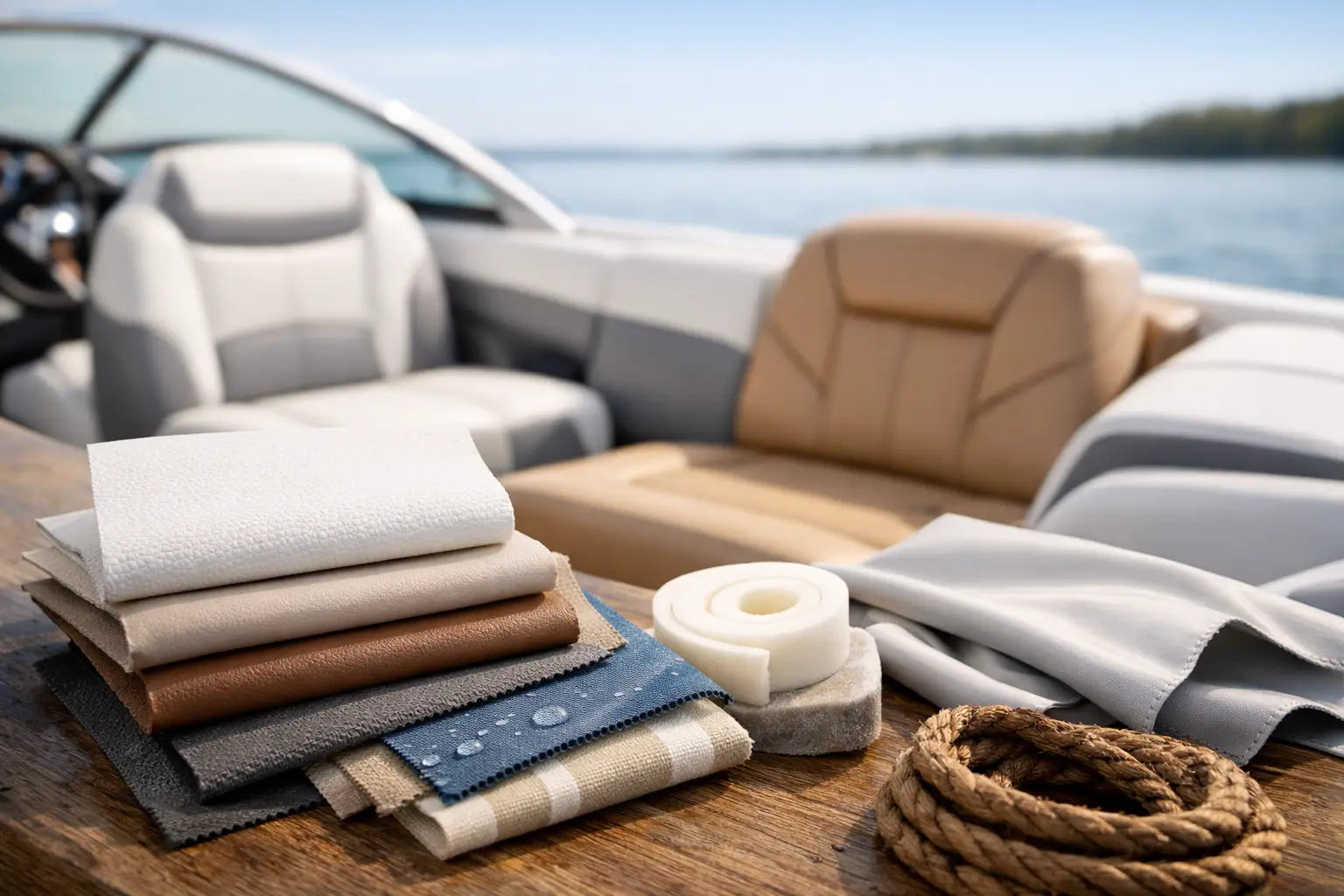
The right material depends on the vehicle, the budget, and how the interior is used. Cloth is common in many factory interiors because it is cost-effective and comfortable in changing temperatures. Vinyl remains popular for durability, easier cleaning, and certain restoration or commercial applications. Leather is often chosen for its appearance, feel, and premium finish, though it requires proper care and usually costs more.
There are also synthetic leather options and specialty materials designed for higher wear, UV resistance, or easier maintenance. Foam density matters just as much as the visible surface. Two seats can look similar on the outside and feel completely different because of how the foam is rebuilt underneath.
That is where experience matters. The best material is not always the most expensive one. A family vehicle, a classic car, and a fleet unit may each need a different solution. Trade-offs are part of the process. Leather may look excellent but may not be the best fit for every owner. Vinyl may be practical, but the grade and texture make a difference. Cloth can work well, but matching patterns and colors in older interiors can be challenging.
Repair, Restoration, or Full Replacement?
Not every interior problem calls for a full reupholstery job. In many cases, a targeted repair is the right approach. A split seam, a cigarette burn, a damaged insert, or a single worn panel may be fixable without rebuilding the entire seat. That can save money and preserve more of the original interior.
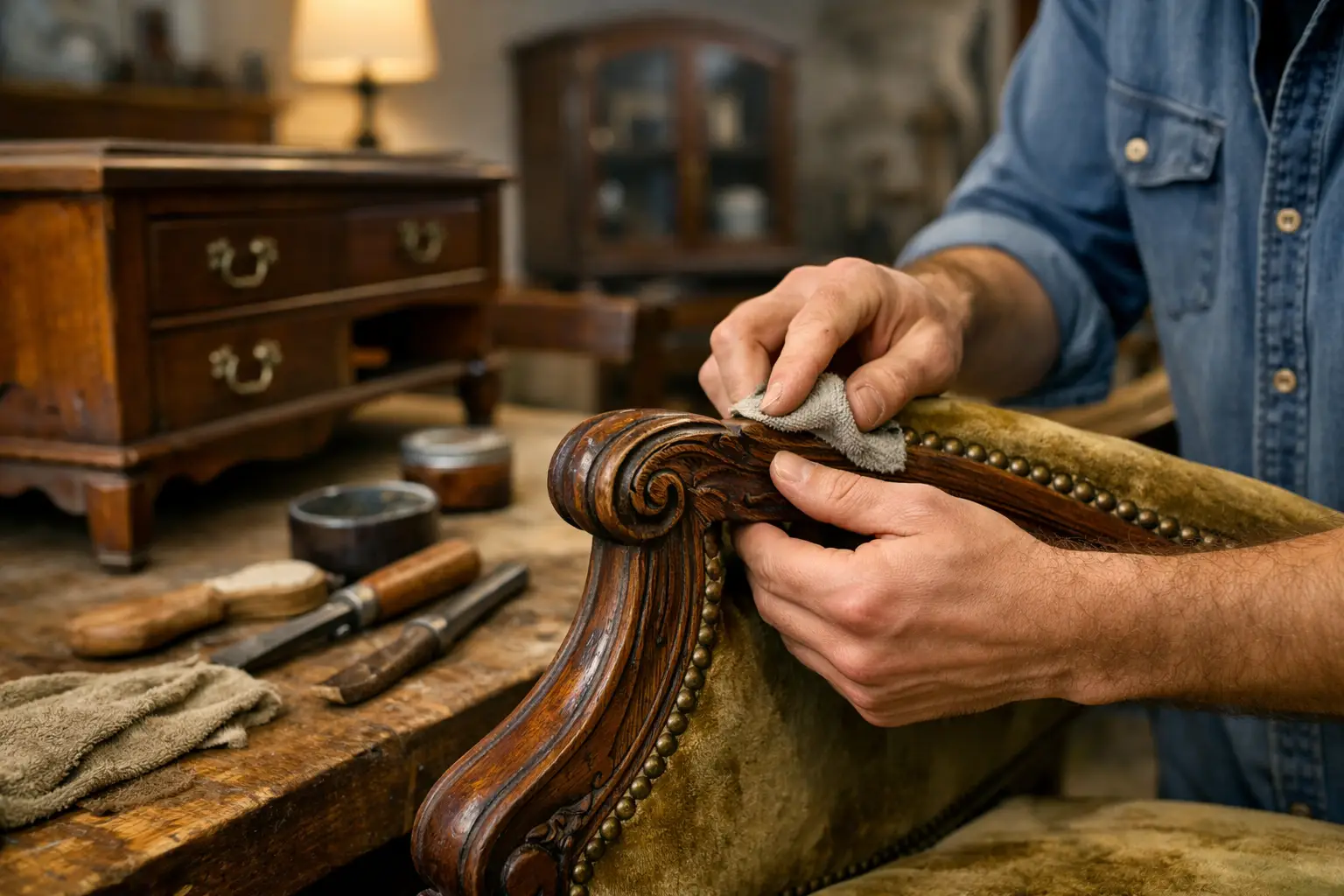
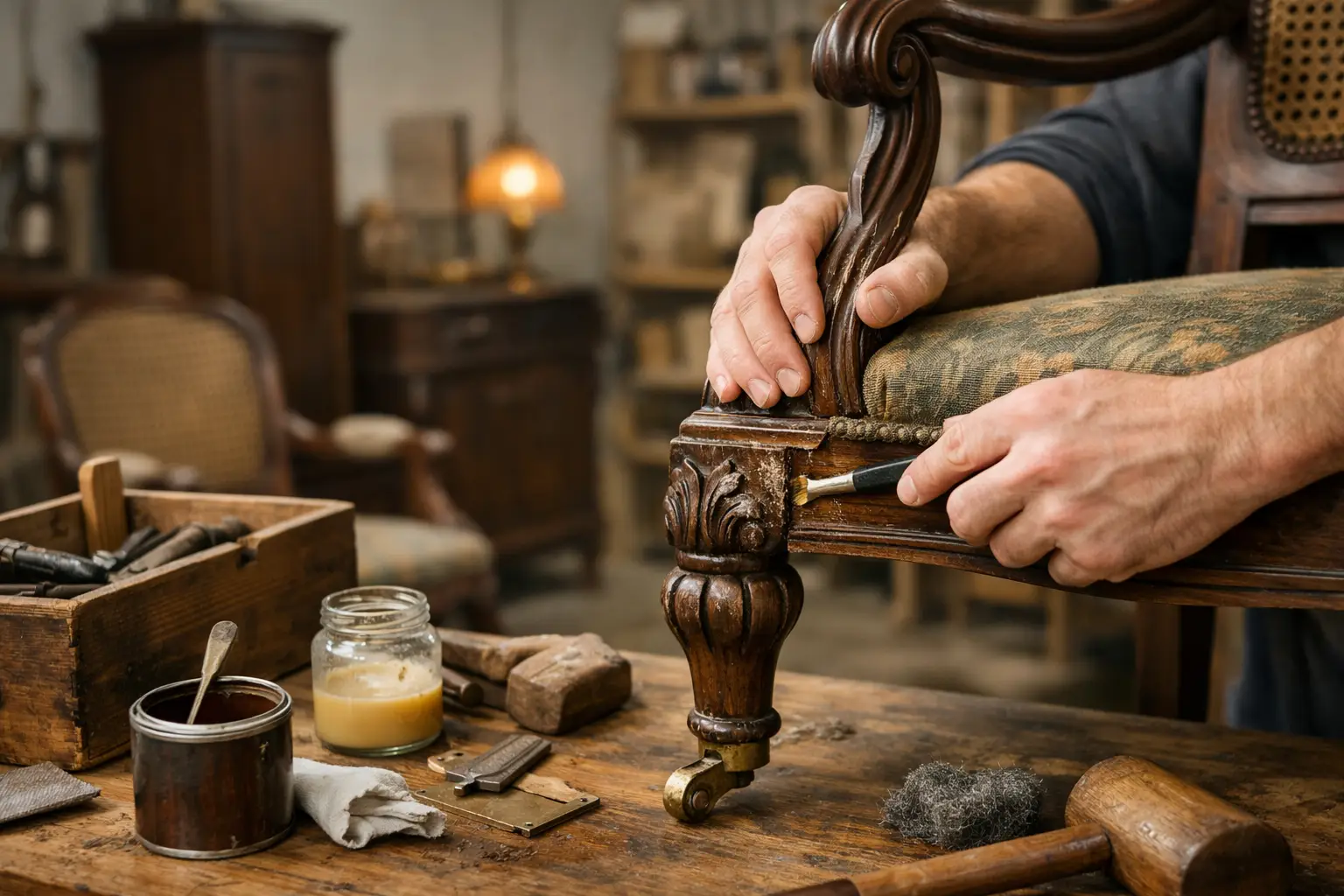
Restoration is different. With older vehicles, especially classics, the goal is often to return the interior to a more accurate, finished condition. That may mean replacing brittle materials, rebuilding seat foam, matching original pleats or stitch lines, and correcting previous poor-quality repairs. Restoration takes more than installation skill. It requires judgment, pattern awareness, and a strong understanding of how interiors were originally built.
Then there is full replacement or custom reupholstery. This makes sense when the original material is too far gone, when multiple surfaces are failing, or when the owner wants a different look and feel altogether. A complete interior update can transform a vehicle, but it should be approached carefully. Material choices, color combinations, and construction details need to suit the vehicle rather than fight against it.
Why Automotive Upholstery Matters
A worn interior affects more than appearance. It changes how the vehicle feels every time you get in. Broken-down foam can create poor support on long drives. Torn upholstery can worsen quickly with daily use. Loose headliners and damaged panels can make an otherwise good vehicle feel unfinished.
There is also the matter of value. Clean, well-finished upholstery helps support resale value and overall presentation, especially in collector vehicles and specialty cars. Even if you are not planning to sell, interior condition plays a large role in whether a vehicle feels worth keeping.
For many owners, upholstery is also a practical alternative to replacement. If the vehicle is mechanically sound and the interior is the main issue, repairing or restoring the upholstery can extend its useful life in a very direct way. That is often a smarter investment than living with damage or shopping for another vehicle with a different set of problems.
What to Expect From an Upholstery Shop
A professional automotive upholstery project usually starts with a close evaluation of the interior. The visible damage is only part of the picture. A shop should assess the condition of the foam, panels, backing materials, attachment points, and surrounding trim before recommending a repair or replacement plan.
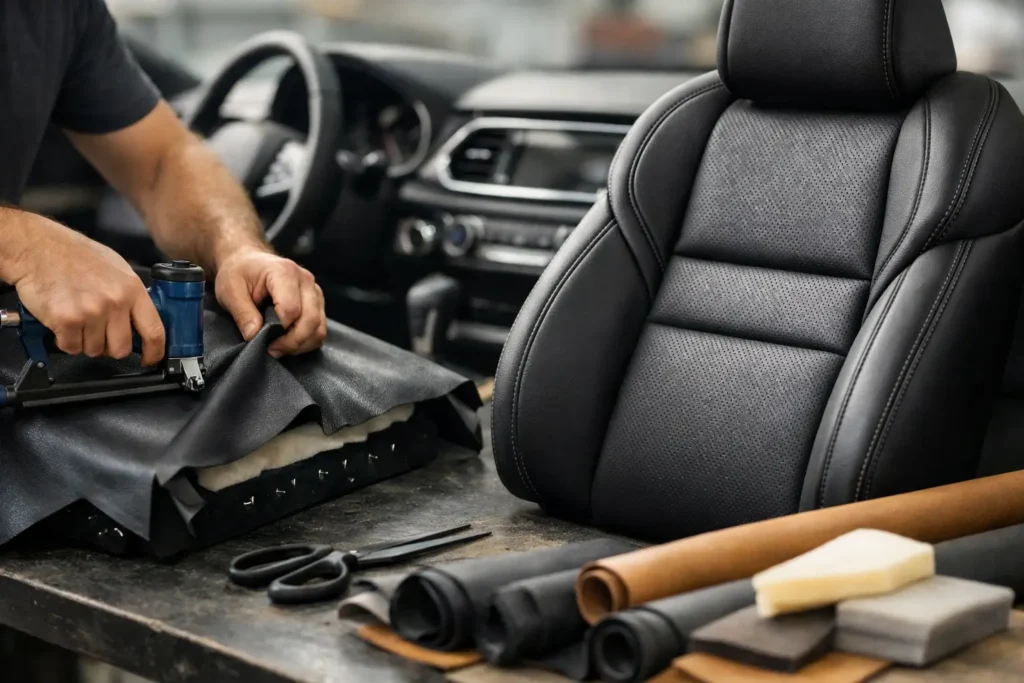
From there, the work may involve disassembly, patterning, material selection, foam reconstruction, sewing, fitting, and final installation. Good fit is critical. Automotive interiors are shaped spaces, and upholstery that is even slightly off can wrinkle, pull, shift, or wear poorly.
This is why automotive upholstery is specialized work. It is not the same as laying fabric over a seat. The finished product needs to fit the contours of the vehicle, function properly with the seat design, and hold up to regular use. At Rocky Mountain Upholstery, that kind of work is approached as craftsmanship, not a shortcut fix.
When It Makes Sense to Reupholster a Vehicle
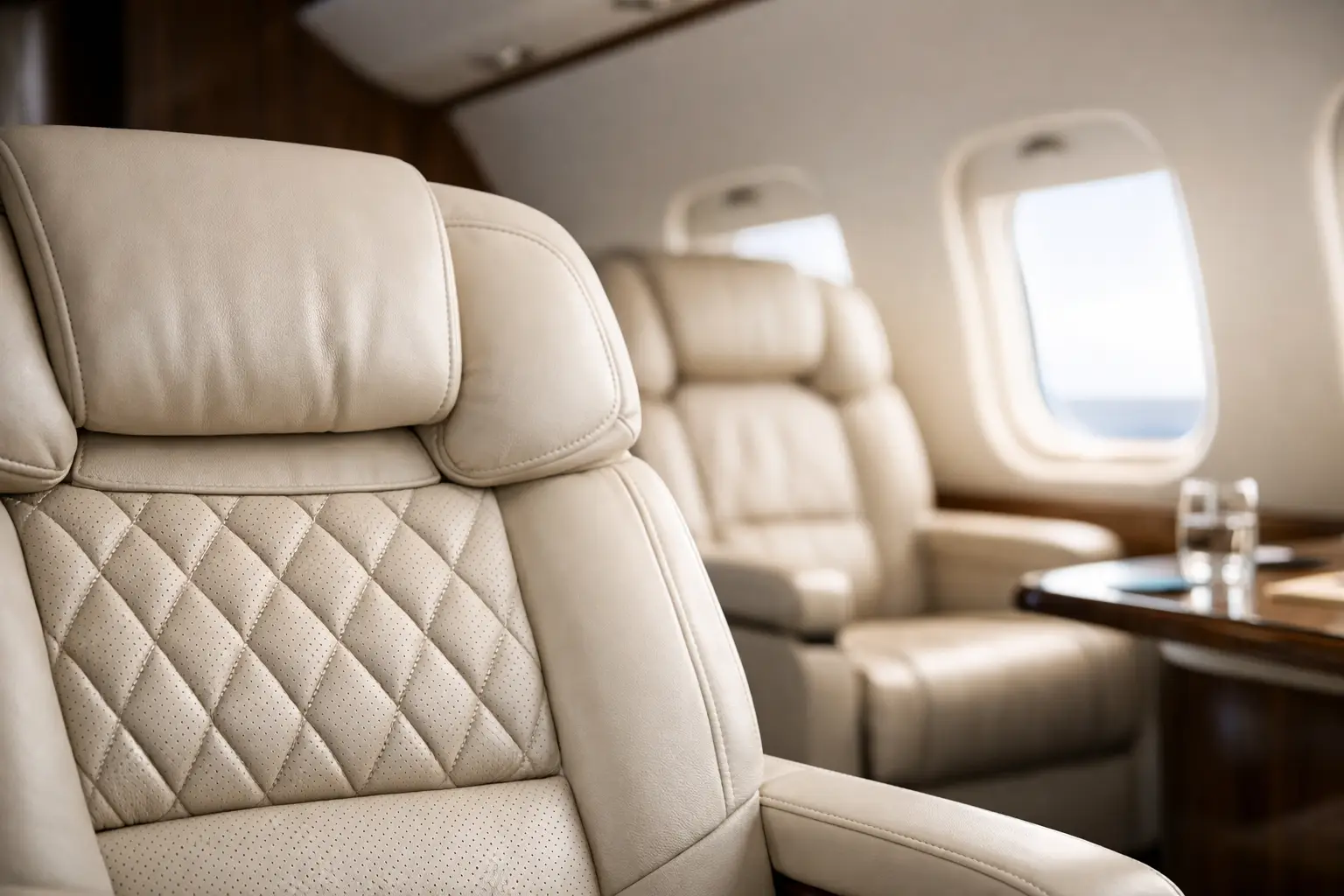
Reupholstery is often worth considering when the vehicle still has strong structural and mechanical value, when replacement cost is high, or when the vehicle has personal or collector significance. It also makes sense when factory replacement parts are unavailable or when the original interior simply no longer fits the owner’s needs.
A daily driver with one damaged seat may only need a focused repair. A vintage car with faded materials, broken seams, and flattened foam may need a full interior restoration. A truck, RV, or specialty vehicle may benefit from more durable materials built for harder use. The right answer depends on condition, goals, and budget.
What matters most is choosing a solution that fits the vehicle rather than overcorrecting or under-repairing it. A small repair can be the right call if the rest of the interior is solid. A patch job on a failing seat, on the other hand, may only delay the larger work that is already needed.
Choosing the Right Automotive Upholstery Approach
If you are evaluating your own vehicle, start by looking past the surface wear. Ask whether the problem is isolated or spread across the interior. Consider how long you plan to keep the vehicle, how you use it, and whether you want original-style restoration or a more updated finish.
The best upholstery results come from matching the repair scope and materials to the actual purpose of the vehicle. That is true whether you are preserving a classic, improving a commuter car, or restoring a specialty interior that cannot be replaced off the shelf.
A well-done interior does not call attention to itself for the wrong reasons. It fits, wears properly, feels right, and supports the value of the vehicle every time the door opens. If your interior still has potential beneath the wear, automotive upholstery is often the step that brings that potential back into view.