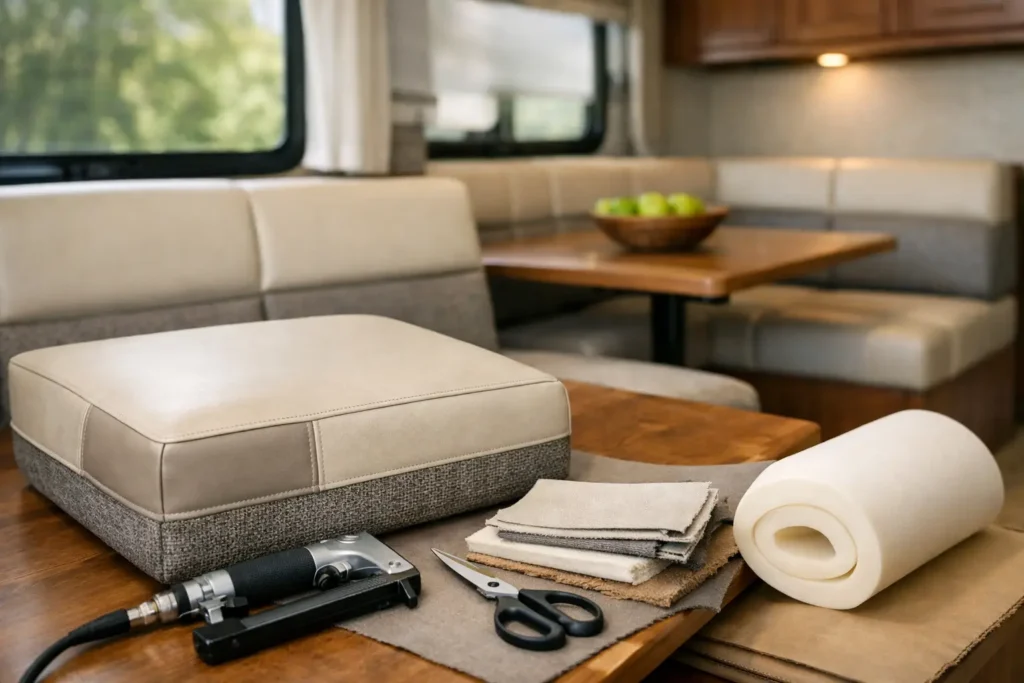
A sagging dinette cushion changes how an RV feels fast. Seats get uncomfortable, fabric starts to crack or stain, and a clean interior can still look worn because the cushions have reached the end of their useful life. RV cushion reupholstery is often the most practical way to restore comfort and appearance without replacing the entire seating area.
For many RV owners, the issue is not the frame or layout. It is the upholstery, the foam, or both. Bench seating, jackknife sofas, corner cushions, and bunk pads all take regular use, and RV interiors deal with conditions that home furniture does not. Heat, cold, sunlight, moisture, travel vibration, and tight spaces all affect how materials wear over time. That is why RV upholstery work needs more than a basic fabric swap.
Why RV cushion reupholstery makes sense
Replacing factory RV seating is not always simple. Many built-in cushions were made for a specific floorplan, and aftermarket replacements may not fit correctly. Even when replacements are available, the look, firmness, and proportions can feel off. Reupholstery keeps the original footprint while allowing you to update the comfort level and finish.
This approach also makes sense when the existing setup still functions well structurally. If the bases, hinges, or surrounding cabinetry are in good condition, there is rarely a reason to start over. New upholstery and foam can give the space a cleaner, more finished look while preserving what already works.
There is also a customization benefit. RV owners often want materials that are easier to clean, better matched to the rest of the interior, or more durable than the original upholstery. A custom reupholstery project gives you control over those details instead of forcing you into whatever a manufacturer offers.
What usually wears out first
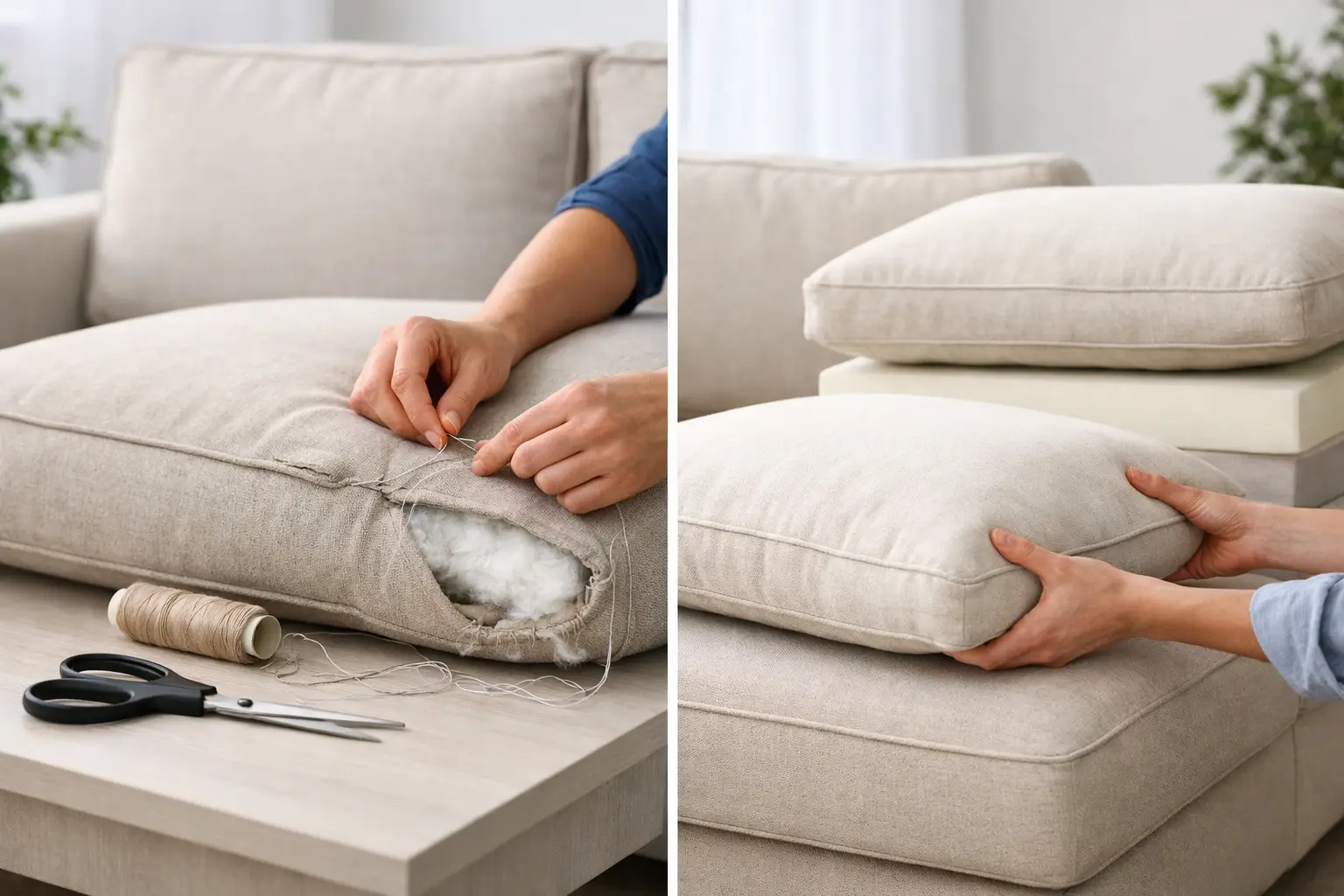
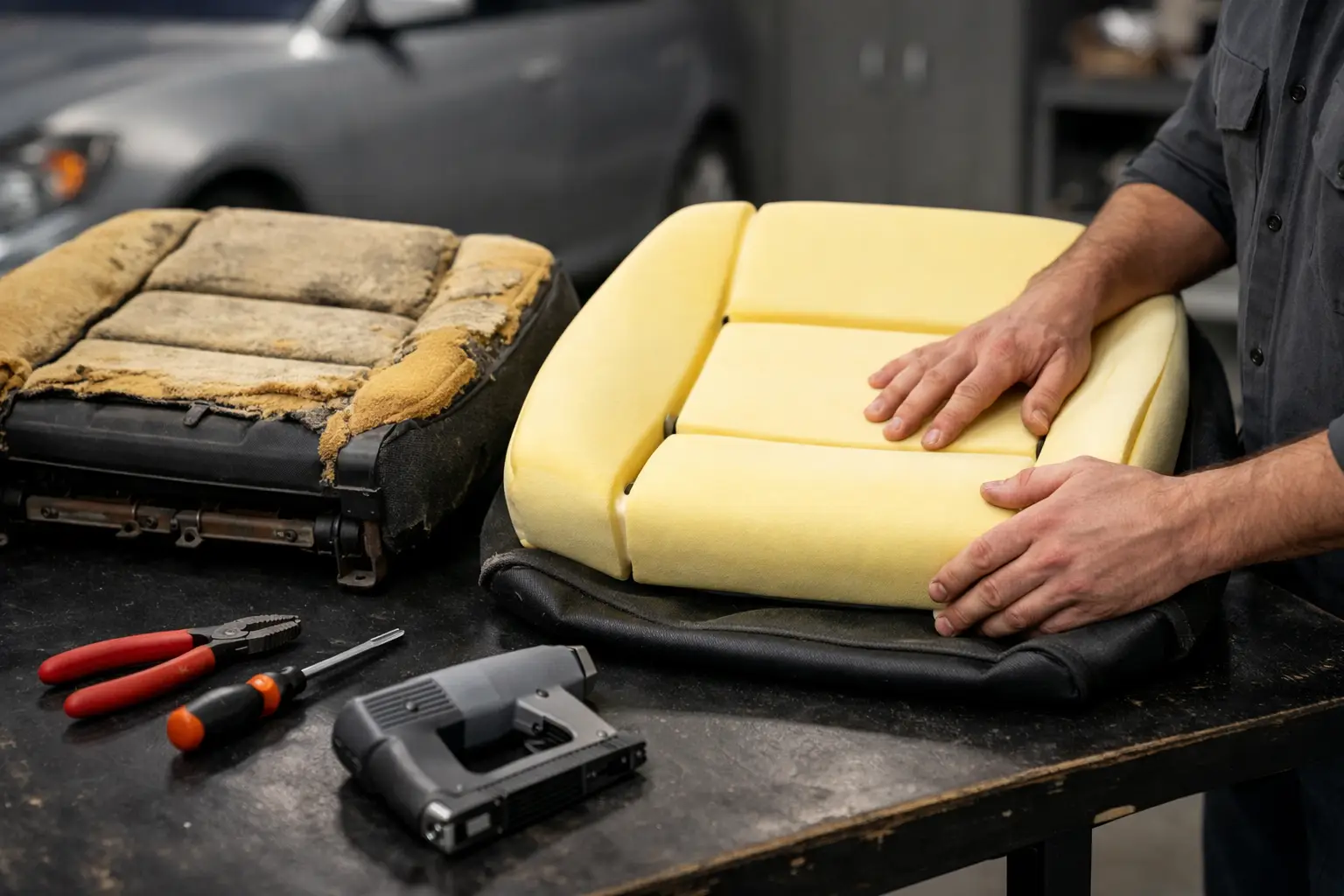
In many RVs, the visible fabric gets attention first because it shows stains, fading, or cracking. But fabric is only part of the problem. Foam often breaks down before people realize it. If a cushion looks flat, bottoms out when you sit, or feels uneven from one side to the other, the support layer may already be failing.
The backing, batting, welt, zippers, and sewing construction can also weaken over time. Seams begin to pull, corners lose shape, and repeated use along the same edge creates distortion. In a motorhome or travel trailer, those problems tend to show up faster because the furniture is in motion regularly.
When evaluating a cushion, the right question is not just whether the cover looks bad. It is whether the whole cushion system still performs the way it should. Sometimes a new cover is enough. In other cases, reupholstery should include foam replacement or reshaping to get a proper result.
When to reupholster and when to replace
There is no single rule here. It depends on the condition of the cushion, the quality of the original build, and how long you want the repair to last.
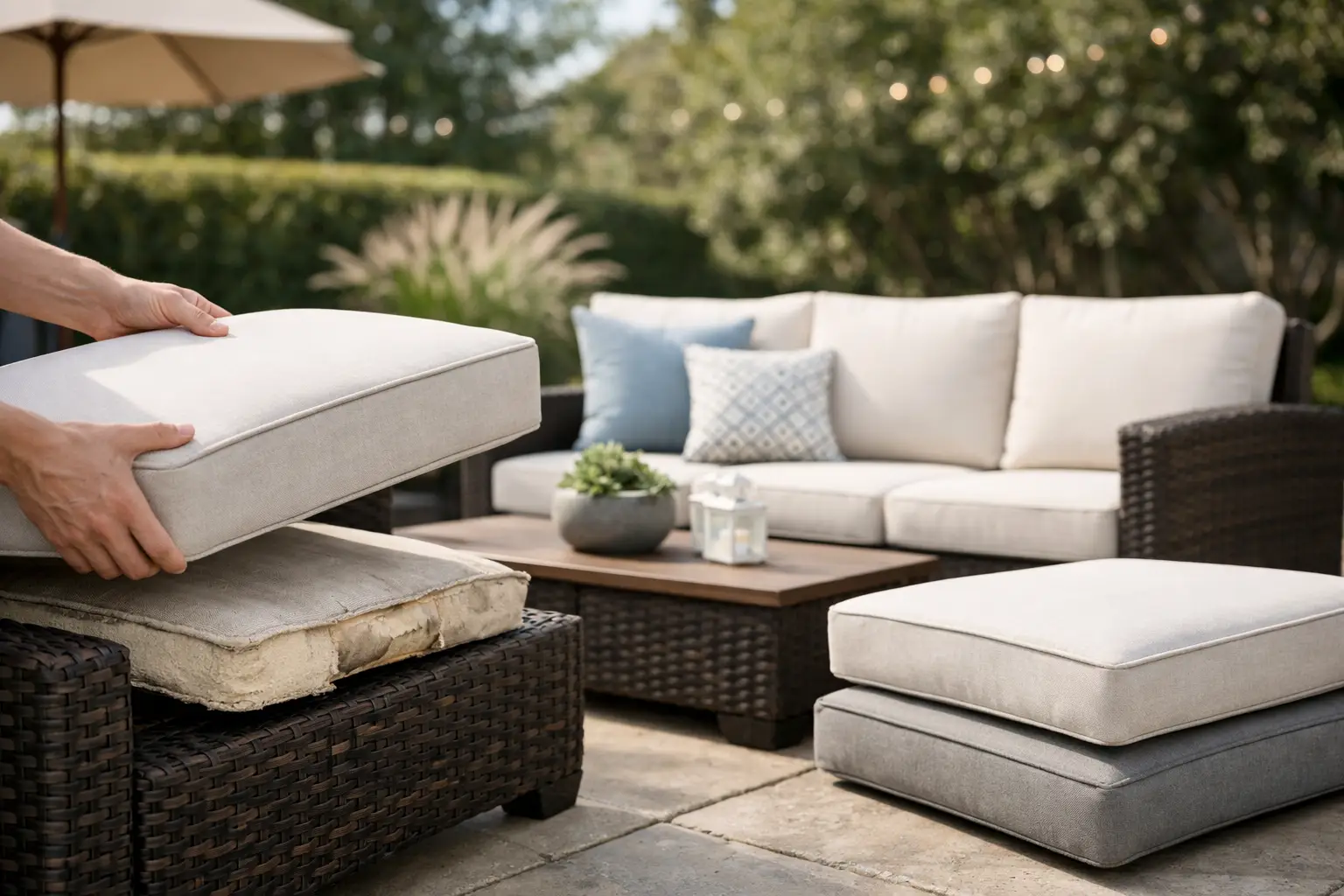
If the cushion core still has its shape and resilience, reupholstery alone may be a good option. This is common when the material is outdated, sun-damaged, or stained but the seating still feels supportive. If the foam has hardened, collapsed, or developed permanent low spots, replacing the foam during the project usually makes more sense than wrapping worn-out material in new fabric.
Full replacement is more likely when the cushion dimensions were wrong to begin with, the original build quality was poor, or the layout itself needs to change. For example, some owners want firmer dinette seating for eating and working, while others want softer lounge cushions for extended stays. In those cases, custom fabrication may be a better answer than trying to reuse everything.
Materials matter more in an RV
An RV is a compact, high-use environment. Cushions may serve as dining seating, lounge seating, guest sleeping surfaces, and storage covers all in one. Material selection has to account for that level of use.
Vinyl is a common choice because it is easy to wipe down and holds up well in many travel settings. It can be a smart fit for families, rental units, or high-traffic seating. Still, not every vinyl performs the same way. Lower-grade products can stiffen, crack, or wear prematurely, especially with heat exposure.
Woven fabrics offer a softer, more residential look and feel. Many modern upholstery textiles provide strong abrasion resistance and better design flexibility than older RV fabrics. They can work very well when comfort and appearance matter most, especially in motorhomes and fifth wheels designed for longer stays.
Performance fabrics are worth considering when spills, pets, or frequent use are part of the equation. They can provide a good balance of durability and comfort, but the best option depends on how the RV is used. A weekend camper and a full-time rig do not place the same demands on upholstery.
Foam selection affects comfort and function
Foam is where many upholstery projects are won or lost. A cushion that looks sharp but feels weak will not stay satisfying for long. Density, firmness, thickness, and intended use all need to be matched carefully.
Dinette cushions typically need support that holds shape through repeated sitting and standing. Lounge cushions may call for a different feel. Sleeping surfaces need another level of consideration because pressure points become more noticeable over time. In some RVs, one cushion may need to serve more than one purpose, which means the foam selection has to balance comfort and structure.
This is also where custom work makes a difference. Standard foam replacements do not always account for unusual dimensions, corner cuts, rounded backs, hinged lids, or convertible sleeping arrangements. Proper measuring, cutting, and fitting matter if you want the finished cushion to sit cleanly and function as intended.
The value of a custom fit
RV interiors leave very little room for error. A cushion that is even slightly oversized can buckle or distort. One that is too small can slide, gap, or wear faster because the edges are unsupported. Built-in seating, especially around dinettes and rear lounges, often includes angles and access points that require precise patterning.
That is why custom RV cushion reupholstery is often a better long-term solution than trying to force residential methods into a vehicle interior. The goal is not just to recover a seat. The goal is to restore a usable, fitted part of the RV interior that looks correct and holds up under travel conditions.
Details such as boxing, welt, zipper placement, and seam alignment matter more than they may seem. Good upholstery work should account for both appearance and serviceability. If covers need to be removed for cleaning or future foam work, that should be built into the design when possible.
What to expect from the process
A professional upholstery project usually starts with evaluating the existing cushions, measuring each piece, and determining whether the foam, covers, or both need attention. From there, material selection becomes the next major step. This is where durability, color, texture, cleanability, and overall style need to line up with how the RV is actually used.
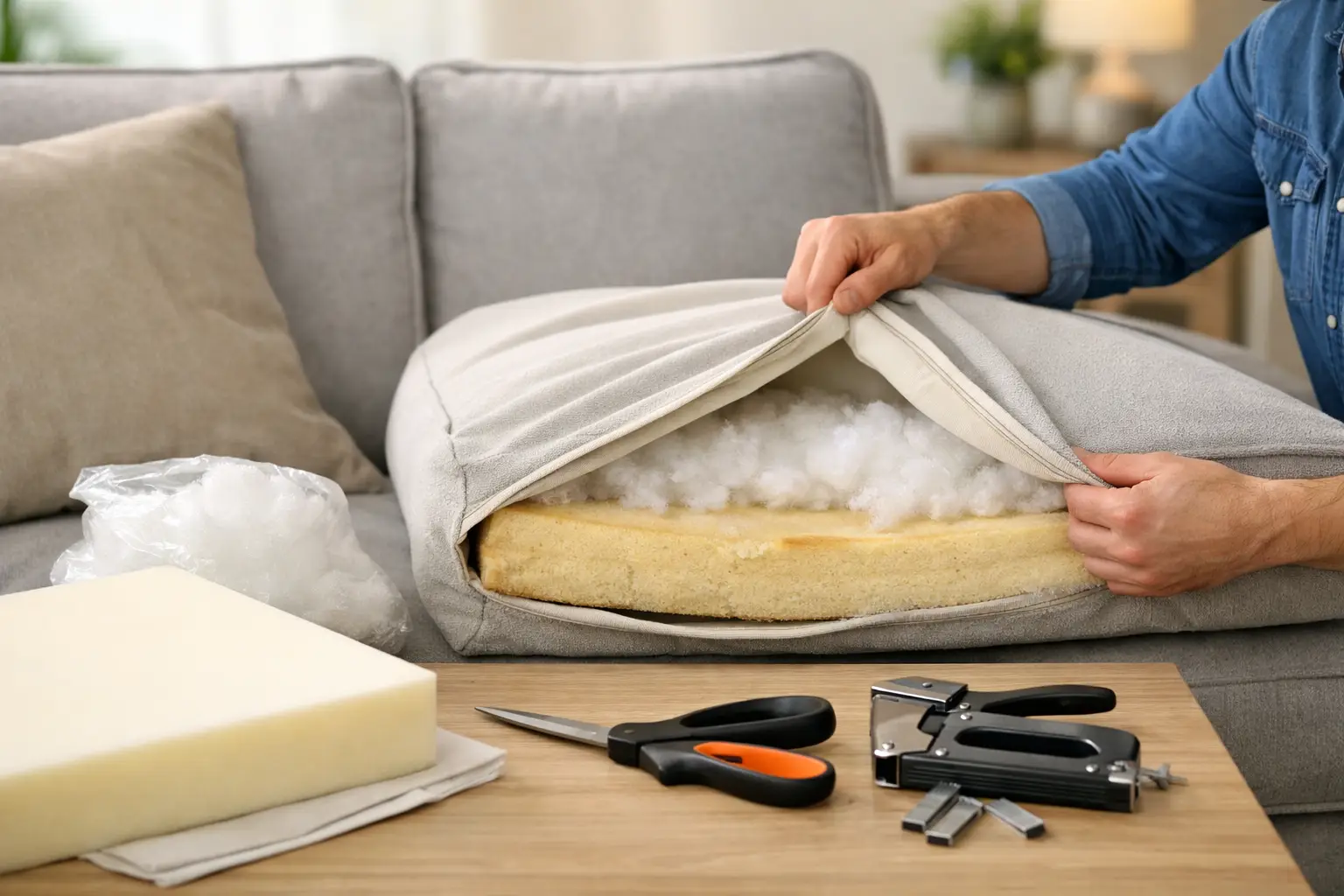
Once the material and construction plan are set, the old covers can serve as patterns if they are still accurate. If they have stretched or distorted too much, new patterns may need to be developed to improve the fit. Foam may be reused, reshaped, layered, or replaced depending on condition.
Installation should leave the cushions fitting squarely and functioning smoothly with the surrounding interior. That includes checking corners, hinge clearances, table movement, and sleeping conversions where applicable. A well-executed project should feel intentional, not patched together.
Common reasons owners choose reupholstery
Some owners simply want to get rid of dated prints or tired colors. Others are dealing with pet damage, water stains, cracked vinyl, or cushions that no longer support anyone comfortably. In many cases, the interior still has good bones. The seating just needs professional attention.
There are also practical reasons to update before a problem gets worse. Torn seams can spread. Worn fabric can expose foam. Flattened cushions can put more strain on plywood bases and support structures. Addressing those issues early usually provides a cleaner repair path than waiting until everything has broken down.
For owners planning to keep an RV long term, upholstery work can also improve day-to-day livability. If you spend real time inside your coach, comfort and durability are not cosmetic extras. They affect how the space works every trip.
Choosing the right shop for RV cushion reupholstery
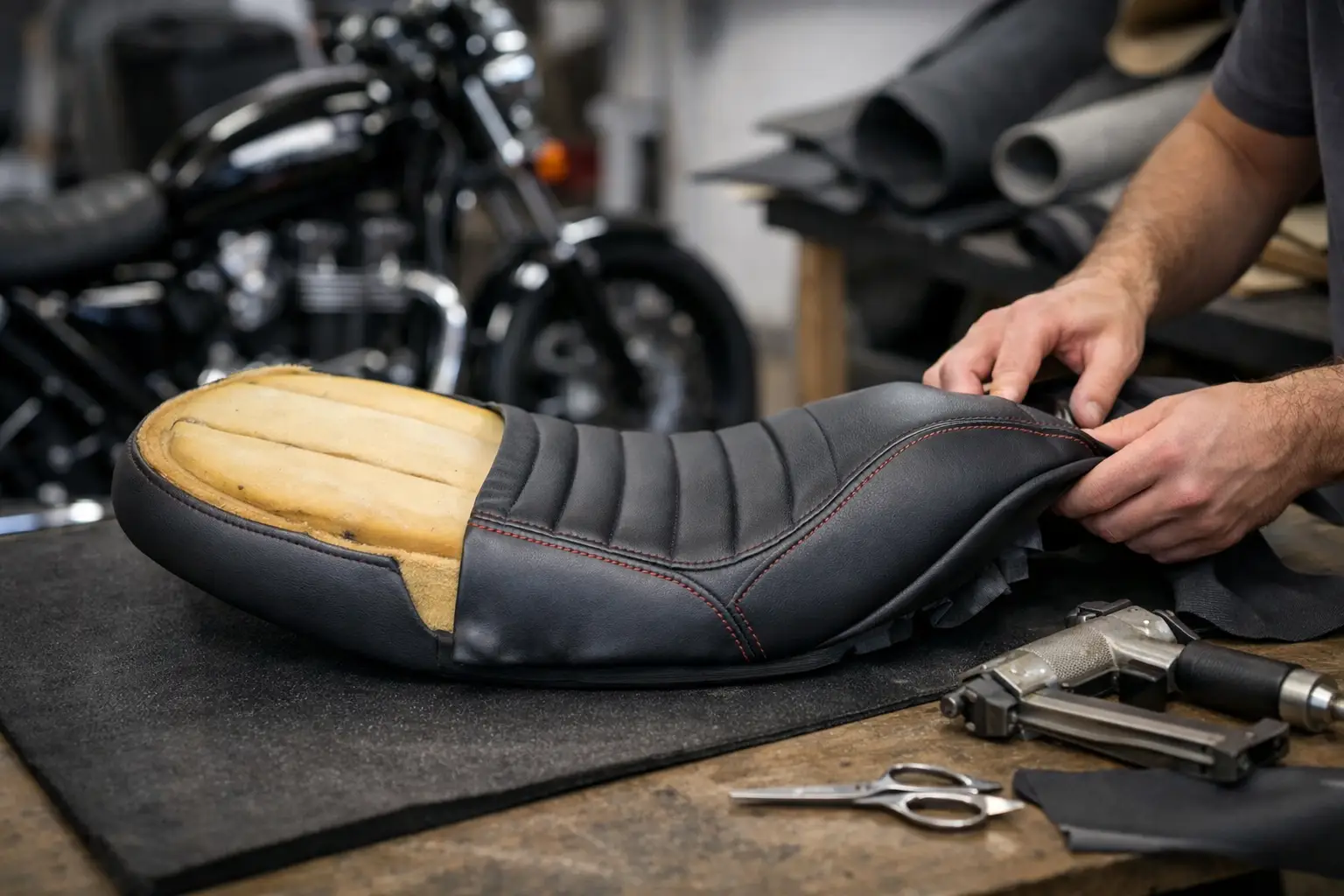
Not every upholstery shop handles vehicle interiors with the same level of experience. RV work sits somewhere between furniture upholstery and specialty vehicle interior work, which means both skill sets matter. A shop should be comfortable working with custom shapes, replacement foam, durable materials, and interior components that need to fit around built-in structures.
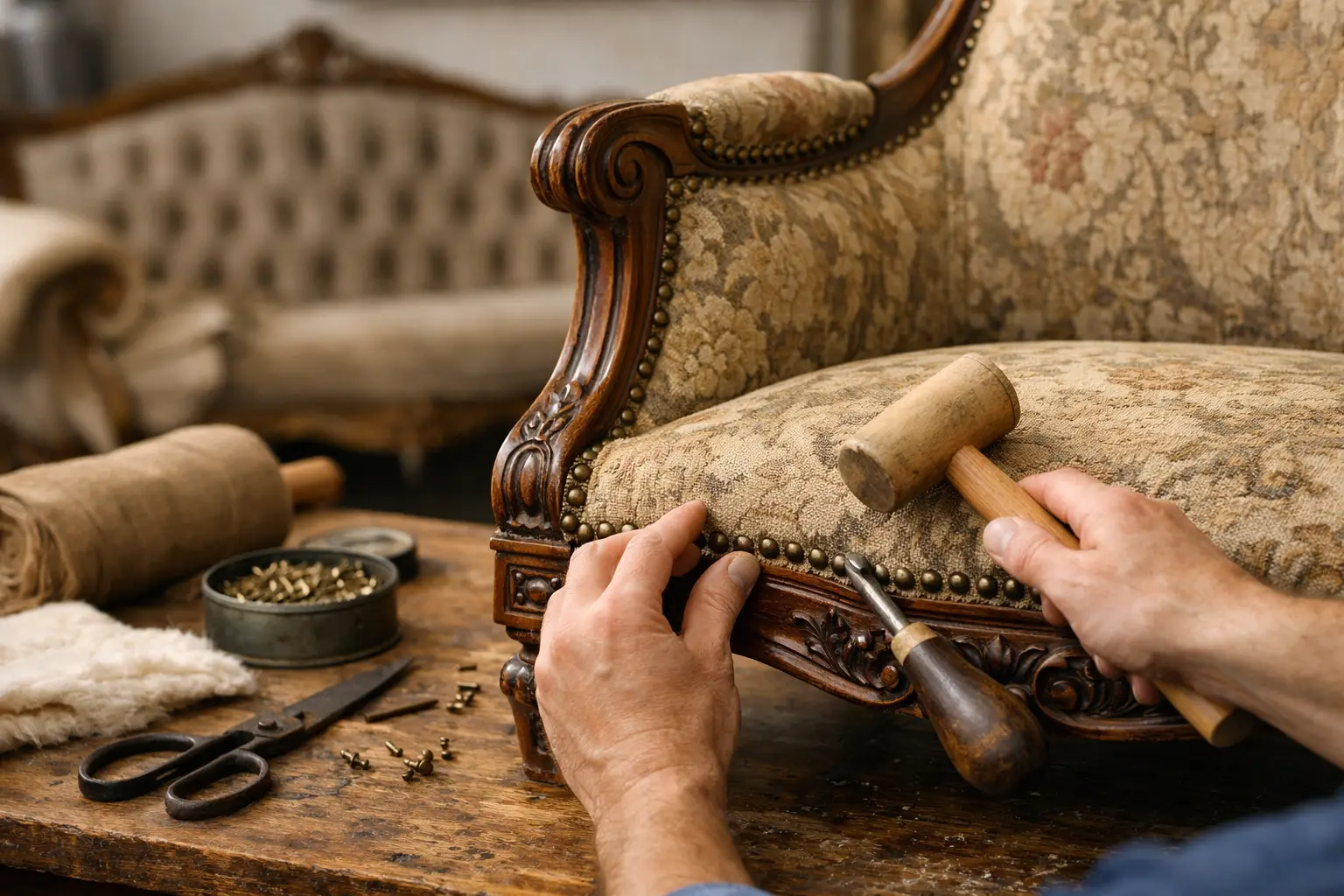
It also helps to work with a team that understands restoration rather than only replacement. In many RV projects, the best result comes from preserving what still has value and rebuilding what no longer performs. That kind of work requires judgment as much as technical ability.
At Rocky Mountain Upholstery, that approach is part of the job. Whether the need is cleaner lines, better support, updated materials, or full cushion rebuilding, the goal is to produce upholstery that fits the RV correctly and holds up to how it is used.
If your RV seating still fits the space but no longer feels right, new upholstery and properly matched foam can make the interior more comfortable, more functional, and much better looking for the miles ahead.