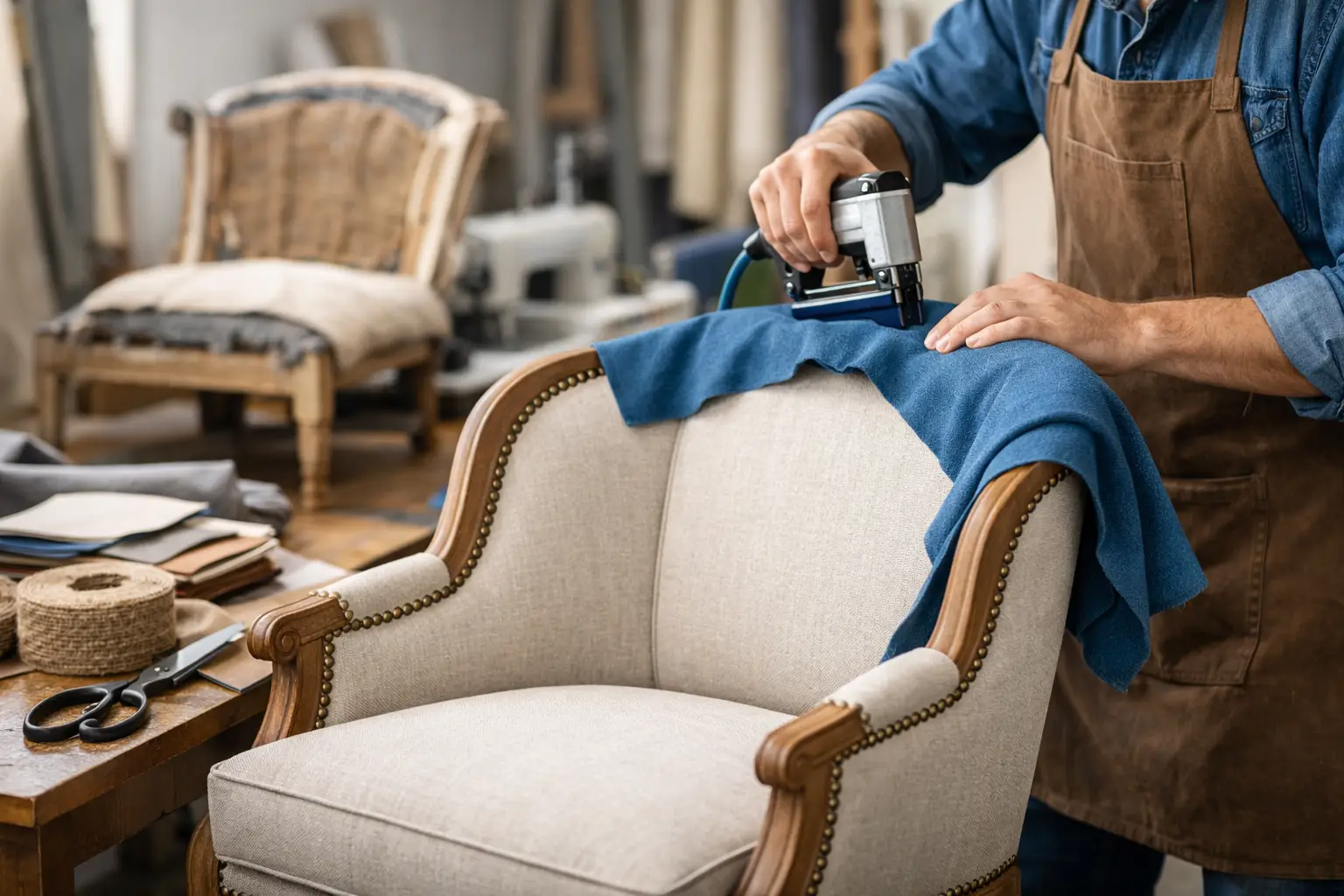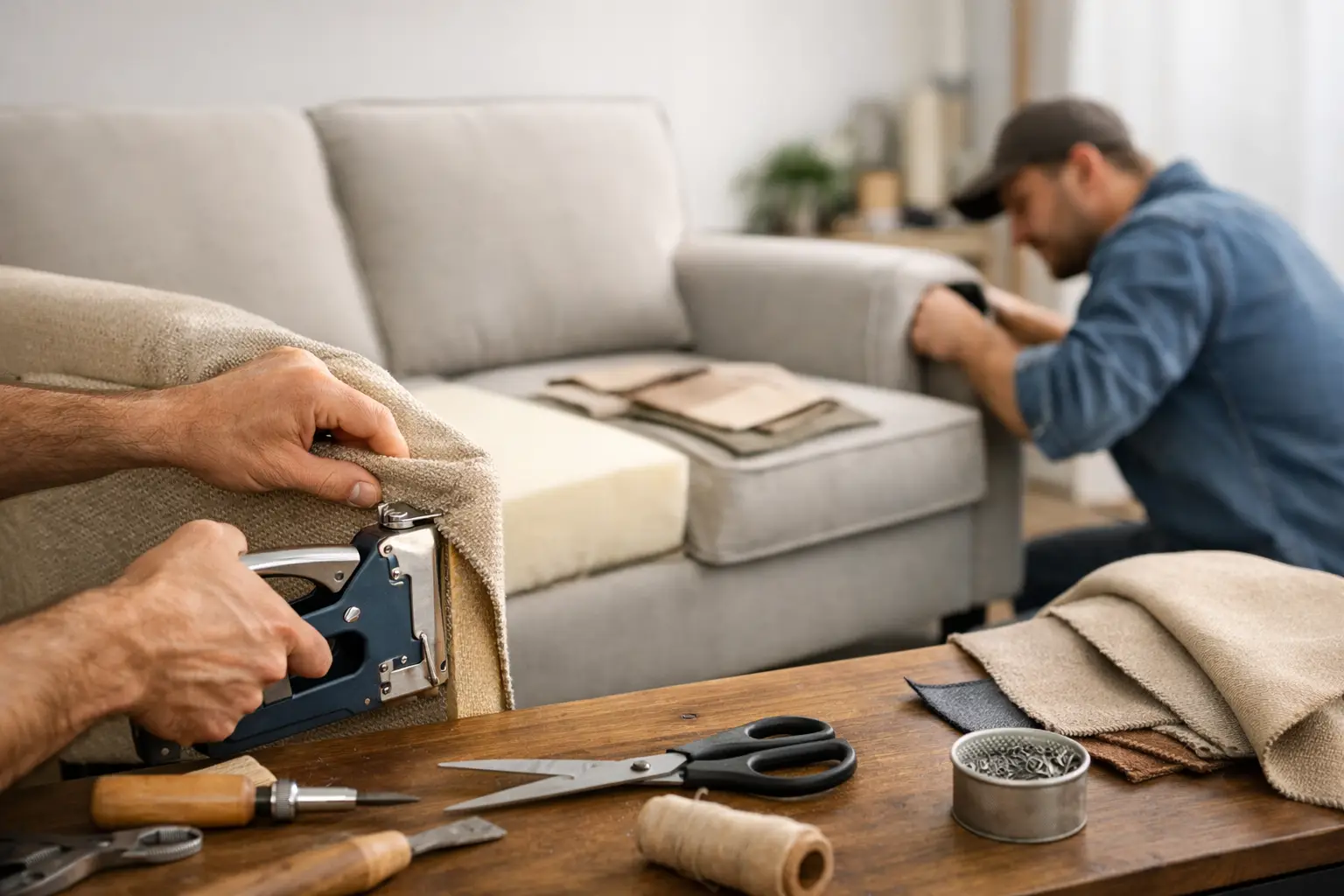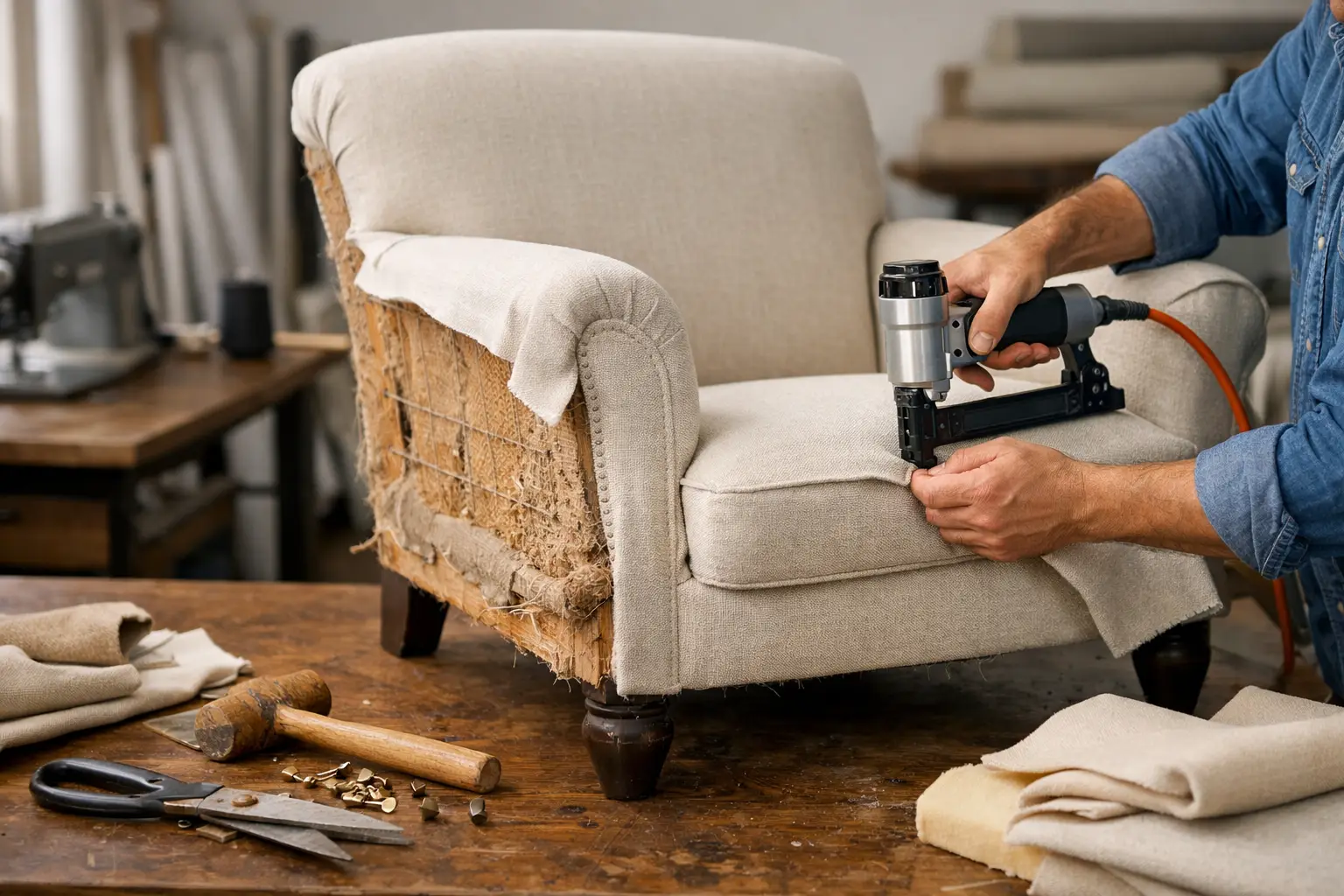
If your sofa still looks decent from across the room but feels flat, lumpy, or uncomfortable the moment you sit down, the real question is repair vs replace sofa cushions – not whether the whole piece needs to go. In many cases, worn cushions are the first part of a sofa to fail, while the frame, springs, and overall construction still have years of life left.
That matters because cushion problems are not all the same. Some can be corrected with new foam, added wrap, or fresh filling. Others point to broader wear that makes full cushion replacement the better investment. The right choice depends on what is failing, how the sofa was built, and whether the rest of the furniture still has solid value.
Repair vs Replace Sofa Cushions: What Are You Actually Fixing?
When customers ask whether a cushion can be repaired, they are usually describing one of a few common problems. The seat may sink too far in the center. The corners may collapse. The cushion may feel uneven from one side to the other, or the insert may shift inside the cover. Sometimes the foam has broken down. Other times the fill has compacted, the batting has worn thin, or the cover has stretched enough that the cushion no longer holds its shape.
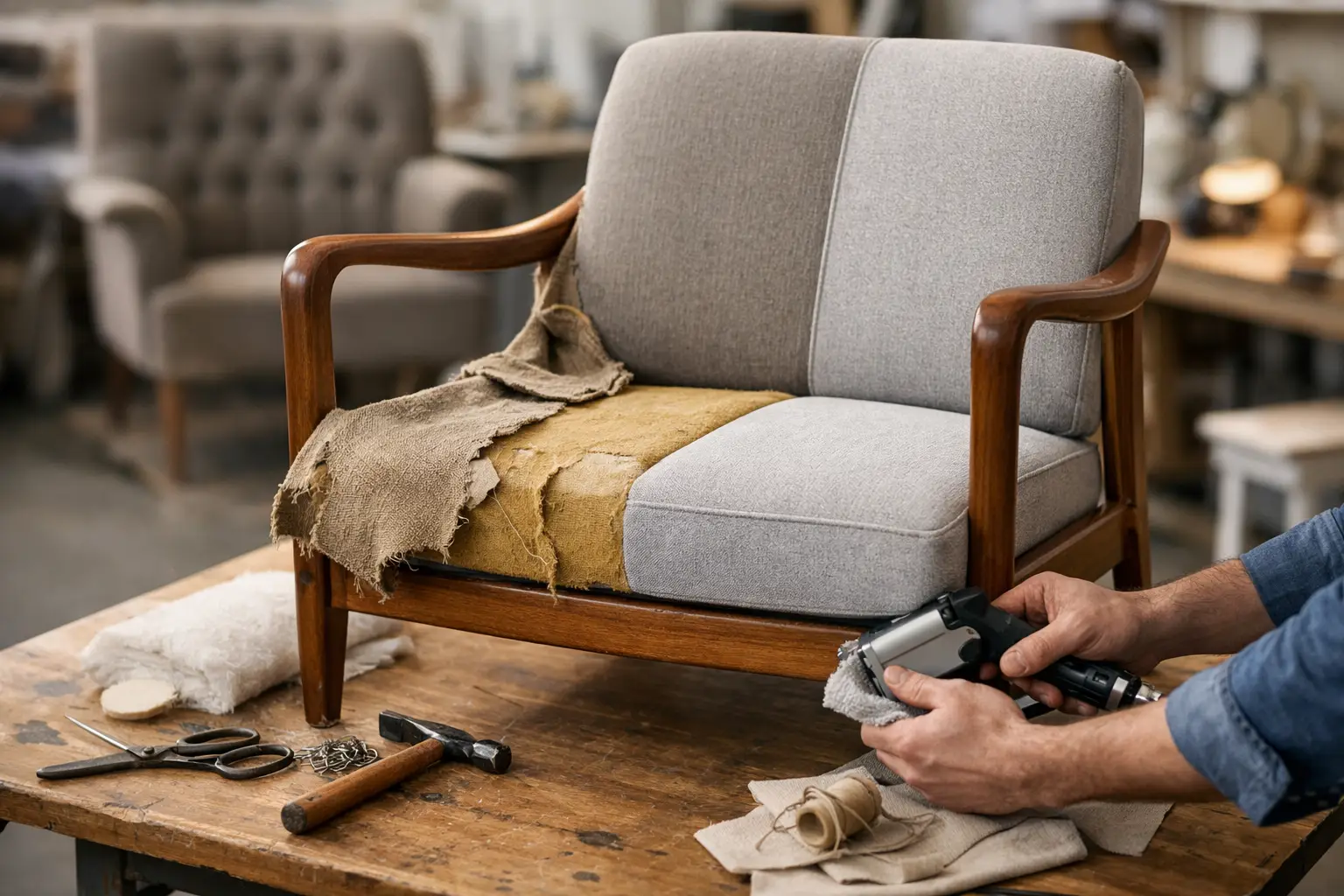
A true repair usually means improving the existing cushion rather than starting over from scratch. That might involve adding polyester wrap, restuffing a back cushion, rebuilding a sagging insert, or correcting minor shape loss. Replacement means producing a new cushion insert, a new cover, or both, based on the size, use, and condition of the original piece.
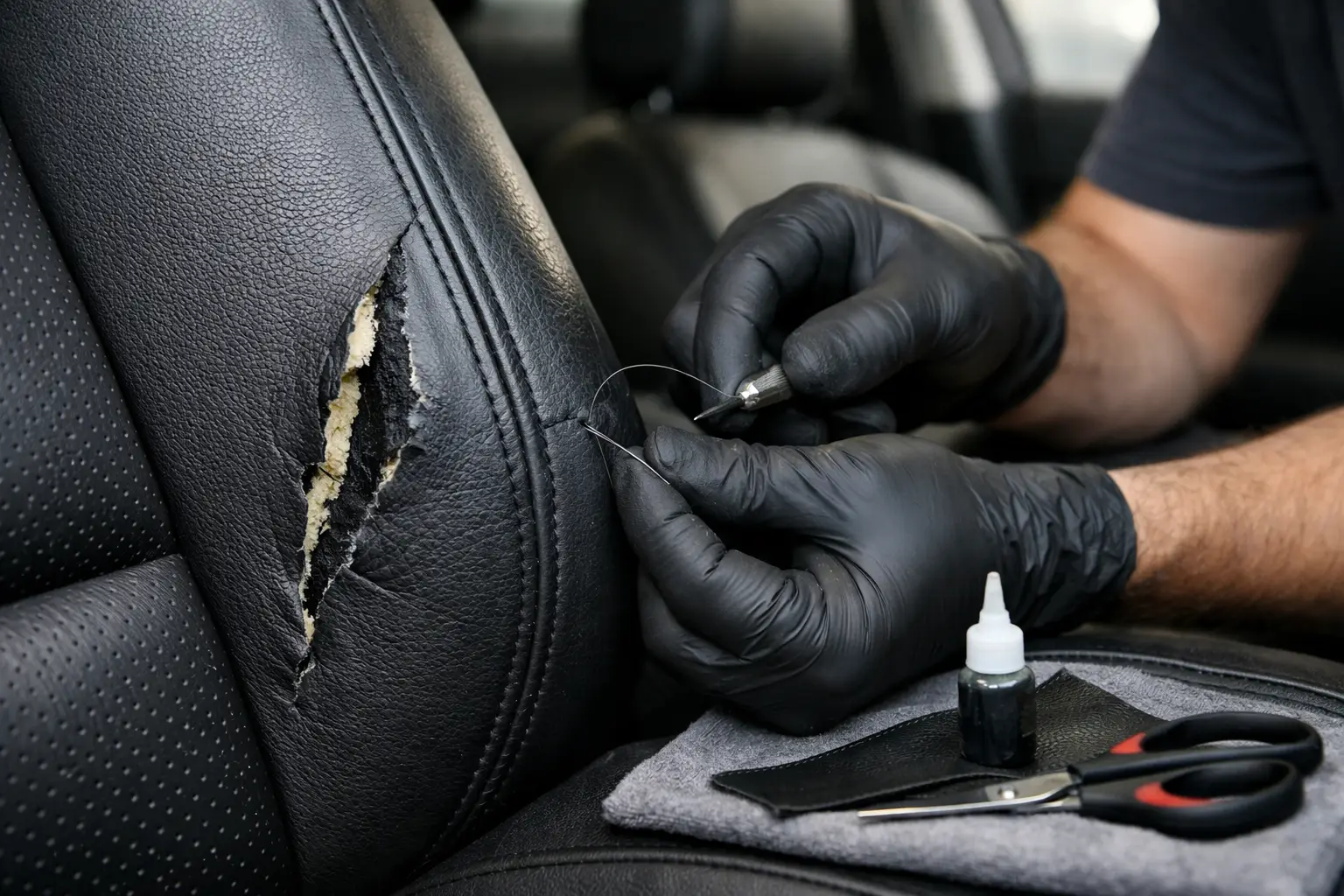
The distinction matters because a cosmetic problem and a structural one are not priced or solved the same way. A cushion that only looks tired may be salvageable. A cushion with degraded foam, broken zipper seams, and badly worn fabric usually needs more than a quick fix.
When Repair Makes Sense
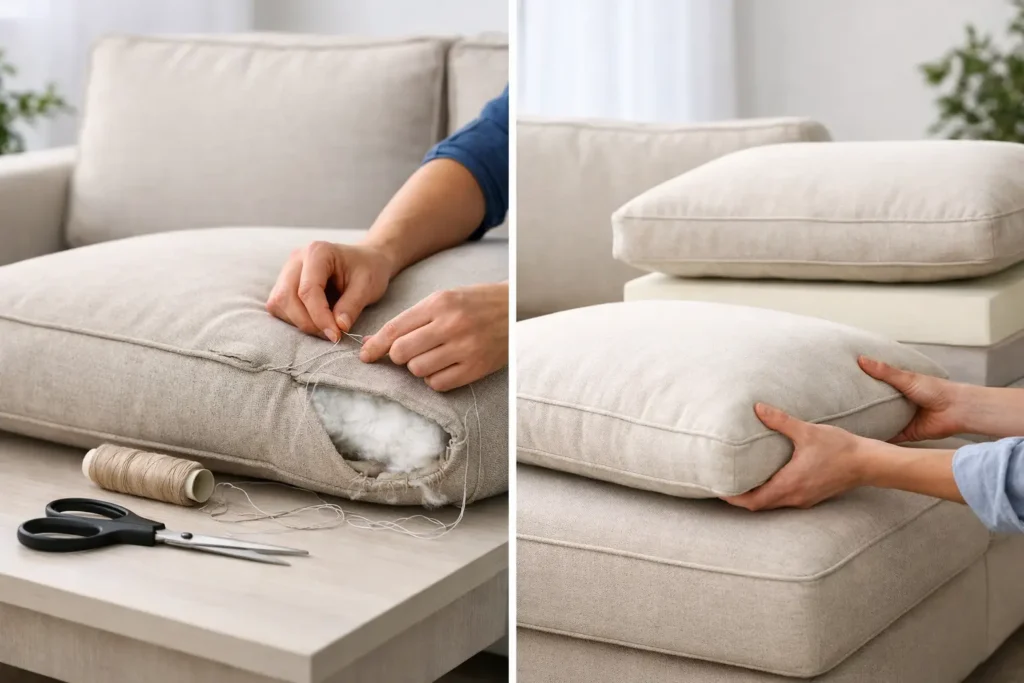
Repair is often the right call when the cushion cover is still in good condition and the insert has only partially lost support. If the foam is not crumbling, the seams are intact, and the dimensions still match the sofa properly, a rebuild can restore comfort without replacing every component.
Back cushions are especially good candidates for repair. Loose fiber fill can often be redistributed or replaced, and flattened backs can be brought back to a fuller, cleaner shape. Seat cushions can sometimes be improved with added wrap or support layers if the underlying foam still has enough integrity.
Repair also makes sense when you are trying to preserve original upholstery. That is common with higher-quality furniture, custom pieces, heirlooms, and sofas that still fit the room well. If the sofa frame is solid and the fabric is worth keeping, targeted cushion work can extend the life of the entire piece.
This approach can also be practical for commercial seating and specialty interiors where matching the existing setup matters. A waiting room bench, restaurant booth, or RV seating area may only need cushion correction rather than a full rework.
When Replacement Is the Better Option
Replacement becomes the better value when the cushion materials have reached the end of their useful life. Foam that has turned brittle, powdery, or permanently compressed will not perform well with patchwork fixes. Once the core support is gone, adding wrap or fill may improve appearance for a short time, but it will not restore lasting comfort.
Replacement is also the stronger option when the cushion shape is wrong for the seat. If the insert has shrunk, warped, or softened enough that it no longer fills the cover correctly, the sofa will keep looking worn even after minor repairs. New inserts cut to the proper size and density create a better fit and a more consistent sit.
Fabric condition can drive the decision too. If the covers are torn, badly faded, stretched out, or no longer match your space, replacing the inserts alone may not solve the full problem. In those cases, new cushions or complete reupholstery may make more sense than trying to preserve materials that are already failing.
For heavily used furniture, replacement often delivers better long-term value. Family room sofas, rental properties, office seating, and hospitality furniture see a lot of daily wear. If comfort and appearance matter, starting fresh with quality foam and properly fitted covers tends to hold up better than repeated spot repairs.
The Biggest Factors That Affect the Decision
The first factor is frame quality. If the sofa has a hardwood frame, good lines, and sound spring support, investing in the cushions is usually worth serious consideration. If the frame is loose, cracked, or poorly built, even excellent new cushions will not fix the overall seating problem.
The second factor is foam quality. Not all foam is equal. Lower-density foam breaks down faster and loses resilience sooner. Better cushion replacement is not just about making the seat look fuller. It is about selecting the right density and firmness for how the sofa is used.
The third factor is cover condition. Good covers can justify insert repair or replacement. Worn covers may point toward a larger upholstery project. A professionally fitted cushion should look right as well as feel right, so the exterior matters as much as the interior.
The fourth factor is how you use the piece. A formal living room sofa used a few times a month has different needs than a main household sofa used every evening. The more use a cushion gets, the more important material quality becomes.
Cost Is Part of It, but Not the Whole Answer
People often assume repair is always cheaper and replacement is always expensive. In practice, it depends on the condition of the existing cushion and the standard of the result you want.
A small repair can cost less up front, but if the foam is already failing, that lower initial cost may not last. On the other hand, full replacement may cost more initially while delivering years of improved support, appearance, and comfort. The better question is not just what costs less today. It is what gives the piece the most useful life from this point forward.
That is especially true with quality furniture. Replacing cushions on a well-built sofa is often far more practical than replacing the entire sofa with lower-grade new furniture. For many homeowners, that is where the real value shows up.
Repair vs Replace Sofa Cushions in Older or Custom Furniture
Older sofas and custom-built furniture need a more careful evaluation. Many were built with better frames than what is commonly sold today, which makes cushion work a worthwhile investment. At the same time, older pieces may have unusual cushion shapes, attached backs, boxed edges, tufting, or specialty details that require custom fabrication rather than off-the-shelf inserts.
In these cases, the decision is not simply about soft versus firm. It is about preserving proportion, seat height, appearance, and function. A replacement cushion that is cut incorrectly can change how the whole sofa sits and feels. Skilled upholstery work helps ensure that the finished cushion fits the furniture rather than just filling space.
That is one reason many people bring this kind of work to a full-service upholstery shop instead of trying to solve it with ready-made foam online. Custom sizing, material selection, and proper fit make a noticeable difference.
Signs You Should Have a Professional Look at It
If the sofa leans to one side, the cushions slide forward constantly, the seat feels uneven from cushion to cushion, or you can feel the deck or frame underneath when sitting, it is worth having the piece evaluated. Those symptoms can come from cushion failure, but they can also point to problems below the cushion, including worn spring support or structural wear.
A professional assessment helps separate surface wear from deeper issues. That keeps you from paying for new cushions when the real problem is beneath them, or from discarding a good sofa when the problem is limited to the inserts.
For homeowners and businesses in Colorado Springs, Rocky Mountain Upholstery handles this kind of work with the benefit of custom fabrication, material matching, and repair experience across residential and commercial seating.
The best next step is usually simple. Look at the whole piece, not just the soft spots. If the sofa still has good bones, cushion repair or replacement can restore comfort and extend its life in a way that makes practical sense. If the materials are fully worn out, replacing the cushions can give a solid piece the support it deserves for years to come.