A motorcycle seat tells you a lot about how a bike has been used. Cracked vinyl, collapsed foam, loose seams, and water damage usually show up long before the rest of the bike is ready for retirement. That is where motorcycle seat reupholstery makes sense. Instead of living with an uncomfortable ride or replacing the entire seat with a generic option, reupholstery gives you the chance to restore the original seat pan, improve support, and choose materials that fit the way you ride.
For many riders, the seat is not just a cosmetic part. It affects posture, comfort, control, and how long you actually want to stay on the bike. A seat that looks minorly worn can still create pressure points, shift your position, or leave you sliding forward at every stop. Reworking the seat properly addresses more than surface appearance.
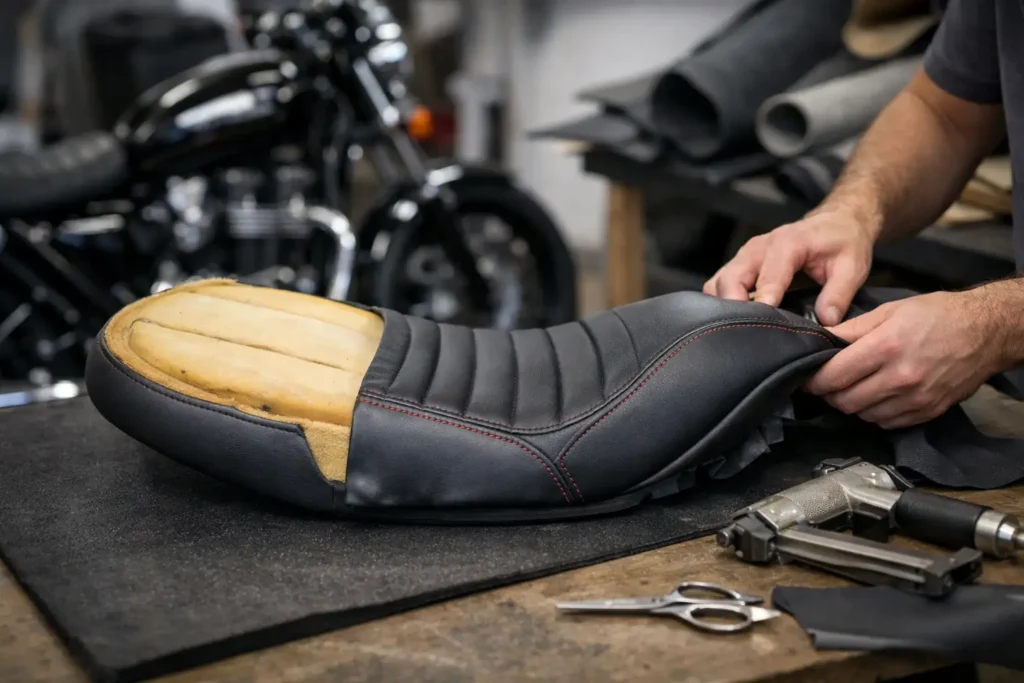
Motorcycle seat reupholstery can be as simple as replacing a torn cover or as involved as rebuilding the seat from the pan up. The right scope depends on what is underneath the visible damage. If the cover has failed but the foam is still supportive and the pan is solid, a recover may be enough. If the foam is broken down, waterlogged, or uneven, the seat needs more than new material stretched over the top.
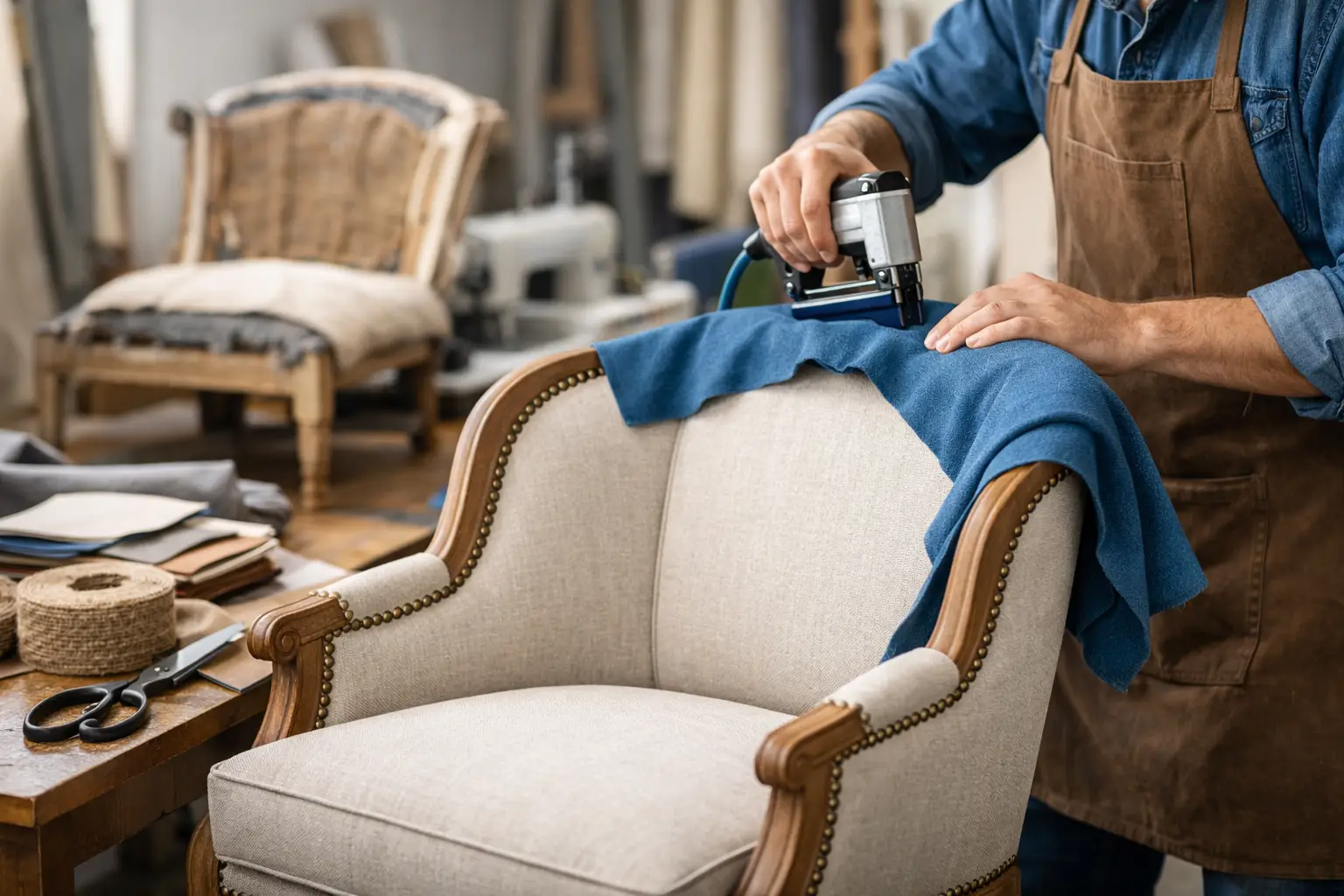
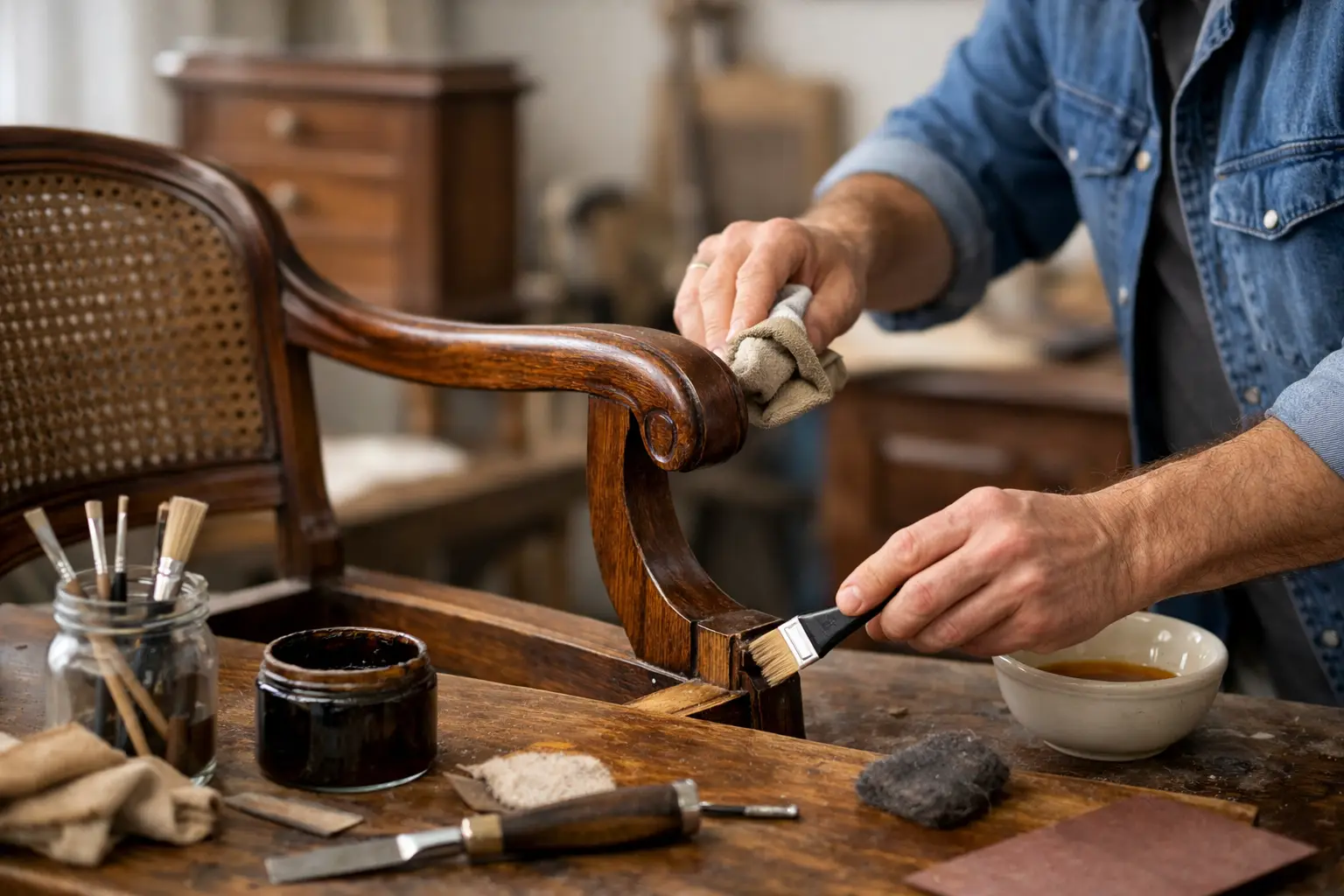
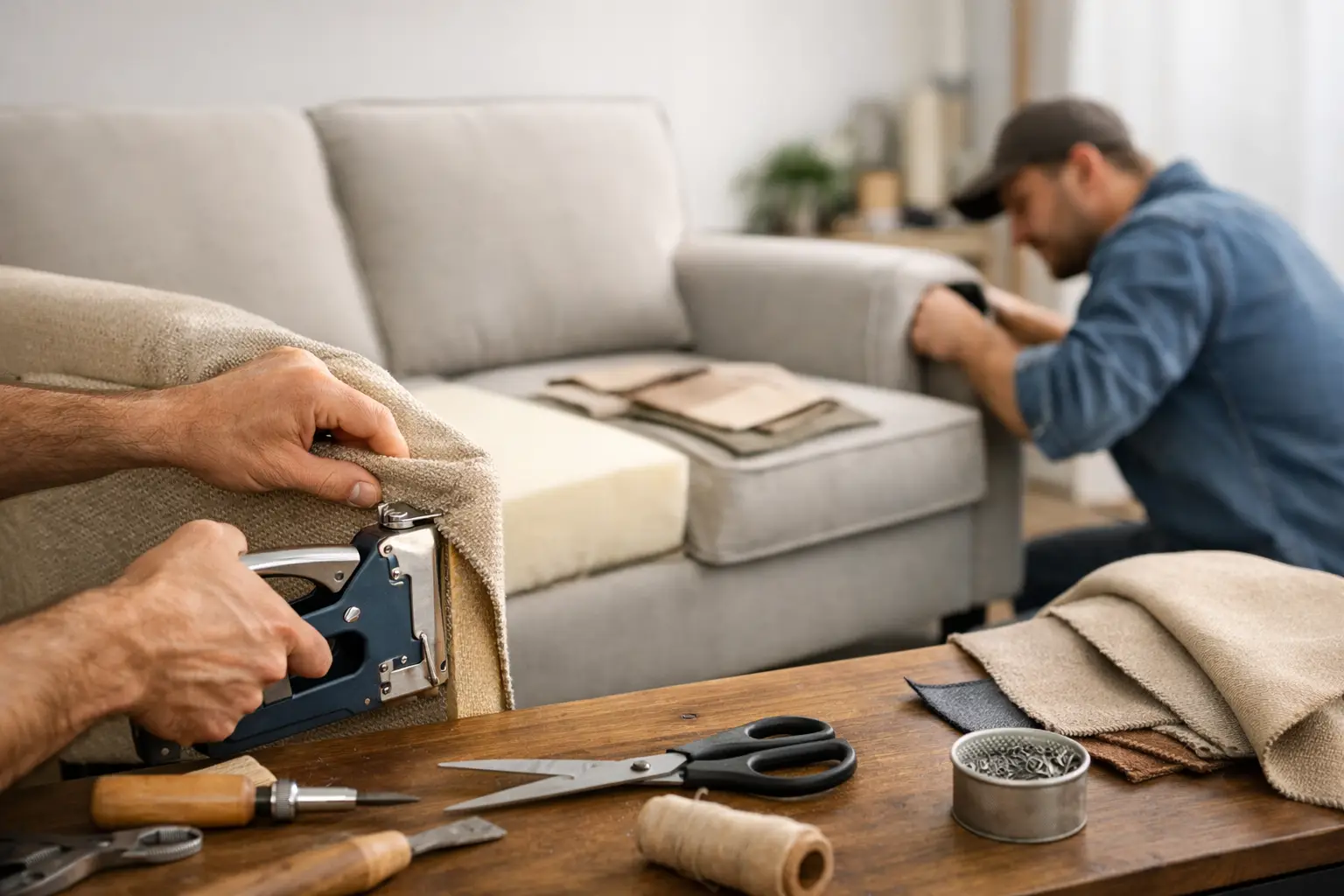
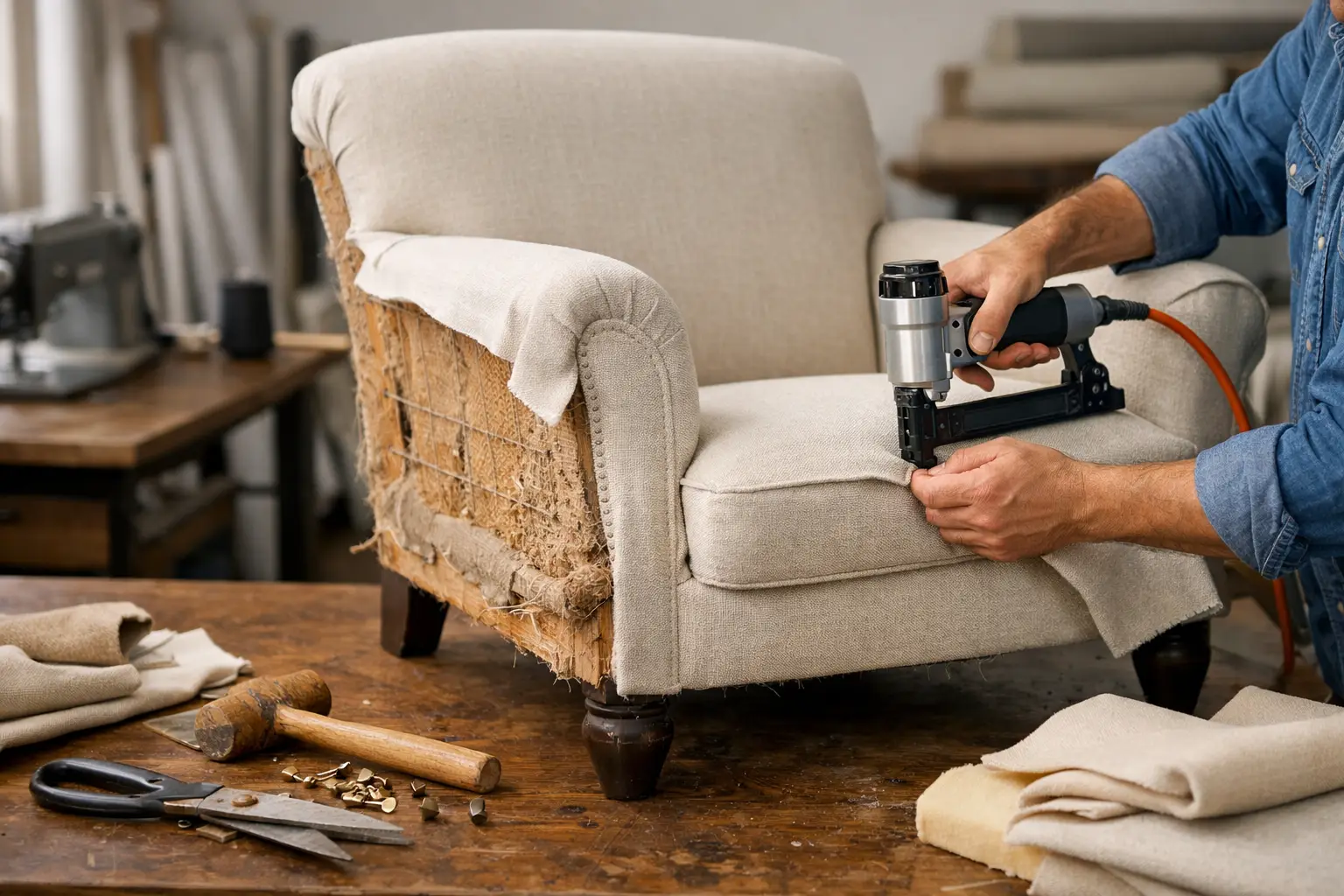
A professional upholstery shop typically starts by removing the old cover and inspecting the foundation. That includes the seat pan, attachment points, foam condition, and any hidden damage caused by age, moisture, sun exposure, or prior repairs. From there, the work may involve foam replacement, contouring, adding support layers, repairing the pan, and installing a new cover with the right fit and tension.
That detail matters. A motorcycle seat has curves, transitions, and stress points that do not forgive poor workmanship. If the material is not patterned correctly or the foam is not shaped with care, the finished seat can wrinkle, pull, or feel wrong even if it looks decent from a few feet away.
Replacement sounds easier, but it is not always the better choice. Many aftermarket seats are built to broad specifications, not your exact bike, riding posture, or preferences. Some riders also want to keep an original seat, especially on vintage bikes, custom builds, or motorcycles with hard-to-match factory lines.
Reupholstery is often the better option when the seat pan is still usable and the goal is to improve comfort, preserve the original look, or make targeted changes. It is also useful when you need something specific that off-the-shelf seats do not offer, such as a lower ride height, firmer support, a passenger section rebuild, or a material better suited to weather exposure.
There are cases where replacement may be more practical. If the pan is badly cracked, heavily rusted, or missing key hardware, rebuilding may not be cost-effective. The same goes for very low-value seats with widespread structural failure. A good upholstery shop will tell you when repair makes sense and when starting with a replacement base is the smarter move.
Many riders assume the torn cover is the whole issue because that is what they can see. In practice, seat discomfort often starts with foam compression and shape loss. Foam softens over time, especially under repeated weight, heat, and vibration. Once it breaks down, it stops distributing pressure the way it should.
That is why a quality motorcycle seat reupholstery job often includes foam work. New foam can restore support, but it can also change how the seat performs. Firmer is not always better. A seat that is too firm can feel harsh on short rides, while one that is too soft may bottom out and become more fatiguing over distance. The right foam setup depends on rider weight, seat shape, riding position, and whether the bike is used for commuting, touring, cruising, or short recreational trips.
Contour changes can also make a meaningful difference. Some riders want a flatter sitting area for better movement. Others need a narrower front for easier footing at stops. Passenger comfort may require different shaping than rider comfort. Those are custom decisions, and they are part of what makes reupholstery more useful than a one-size-fits-all replacement.
Vinyl is a common choice for motorcycle seats because it handles outdoor conditions well, is easier to maintain, and comes in a wide range of textures and finishes. Marine-grade and automotive-grade materials are often preferred when durability and weather resistance are priorities. For many riders, that balance of performance and appearance is the right fit.
There are also custom options for stitching, panel design, pleats, piping, and surface texture. These details can help a seat match the bike more closely, whether the goal is a factory-style restoration or a more personalized look. At the same time, decorative choices should not compromise function. Some stitched designs, for example, can create more points of wear or allow moisture intrusion if not executed properly.
This is one of the trade-offs worth discussing before work begins. A clean, simple cover often lasts longer and is easier to maintain. A more detailed design may offer a stronger custom look but require more careful construction and material selection. The best result is usually one that fits both the motorcycle and the way it is actually used.
Custom work is where reupholstery becomes especially valuable. Riders are not all built the same, and motorcycles are used in very different ways. A seat that works for a weekend cruiser may not work for someone riding longer distances every week. A custom seat can be shaped to improve reach to the bars, reduce sliding, support the lower back, or better position the rider relative to the tank and pegs.
That kind of fit work is hard to replicate with a boxed replacement seat. It requires evaluating the existing seat, understanding what the rider wants to change, and building the foam and cover around those goals. On custom builds, the seat may also need to visually tie into the tank, fenders, paint, or saddlebag design. In those cases, upholstery is part of the overall build quality, not just a repair.
For riders in Colorado Springs looking for that level of seat work, an experienced full-service shop like Rocky Mountain Upholstery can assess both the structural side and the finished appearance. That matters when the project involves more than swapping material.
A properly reupholstered motorcycle seat should fit tightly, sit correctly on the bike, and feel intentional when you ride. The cover should be smooth and secure, with even seams and no loose areas around curves or transitions. The material should be chosen for the bike’s use, not just for color. Underneath, the foam should support the rider consistently without obvious high or low spots.
Just as important, the seat should still function as a seat assembly. Mounting points need to line up. The pan must remain stable. Edges should not interfere with installation or bodywork. Good upholstery work respects both appearance and fit.
Poor work usually shows up quickly. Covers can wrinkle, staples can fail, seams can split, and thin materials can wear early. Even if the seat looks acceptable at pickup, these problems tend to reveal themselves once the bike is exposed to sun, movement, and weather.
Most seat projects begin with an evaluation of the existing seat and a conversation about priorities. Some customers want to stay close to the original look. Others want better comfort, a different profile, or a more custom finish. Bringing clear photos, bike information, and a description of how the seat feels now can help move the process along.
Turnaround time depends on the condition of the seat, the level of customization, and the materials involved. A straightforward recover is not the same as a full foam rebuild with custom stitching. If the seat has hidden damage, the scope can change once the old cover comes off. That is normal, and it is one reason experienced inspection matters.
Cost varies for the same reason. A basic recover and a tailored rebuild are different jobs. The right question is not just what it costs, but what problem the work is solving. If the goal is comfort, durability, and a seat that fits the bike correctly, careful reupholstery is often a better long-term value than replacing parts repeatedly.
A worn motorcycle seat does not automatically mean the whole assembly is done for. In many cases, the better solution is to rebuild what is already there with stronger materials, better support, and workmanship that matches the bike. When the seat feels right, every ride starts better.