An antique chair can look worn beyond saving while still having a hardwood frame, hand-tied springs, and proportions that new furniture rarely matches. Knowing how to restore antique upholstery starts with recognizing what should be preserved, what can be repaired, and what needs to be replaced. The right approach protects the character of the piece without leaving it uncomfortable, unstable, or impractical for everyday use.
Restoration is not always about making furniture look brand new. For an heirloom rocker, Victorian settee, or mid-century lounge chair, the goal may be to retain original details and use materials that suit its age. For a piece that will be used daily, durability and comfort may matter more than strict historical accuracy. A careful inspection before any fabric is removed helps determine the best path.
Start With the Frame and Structural Condition
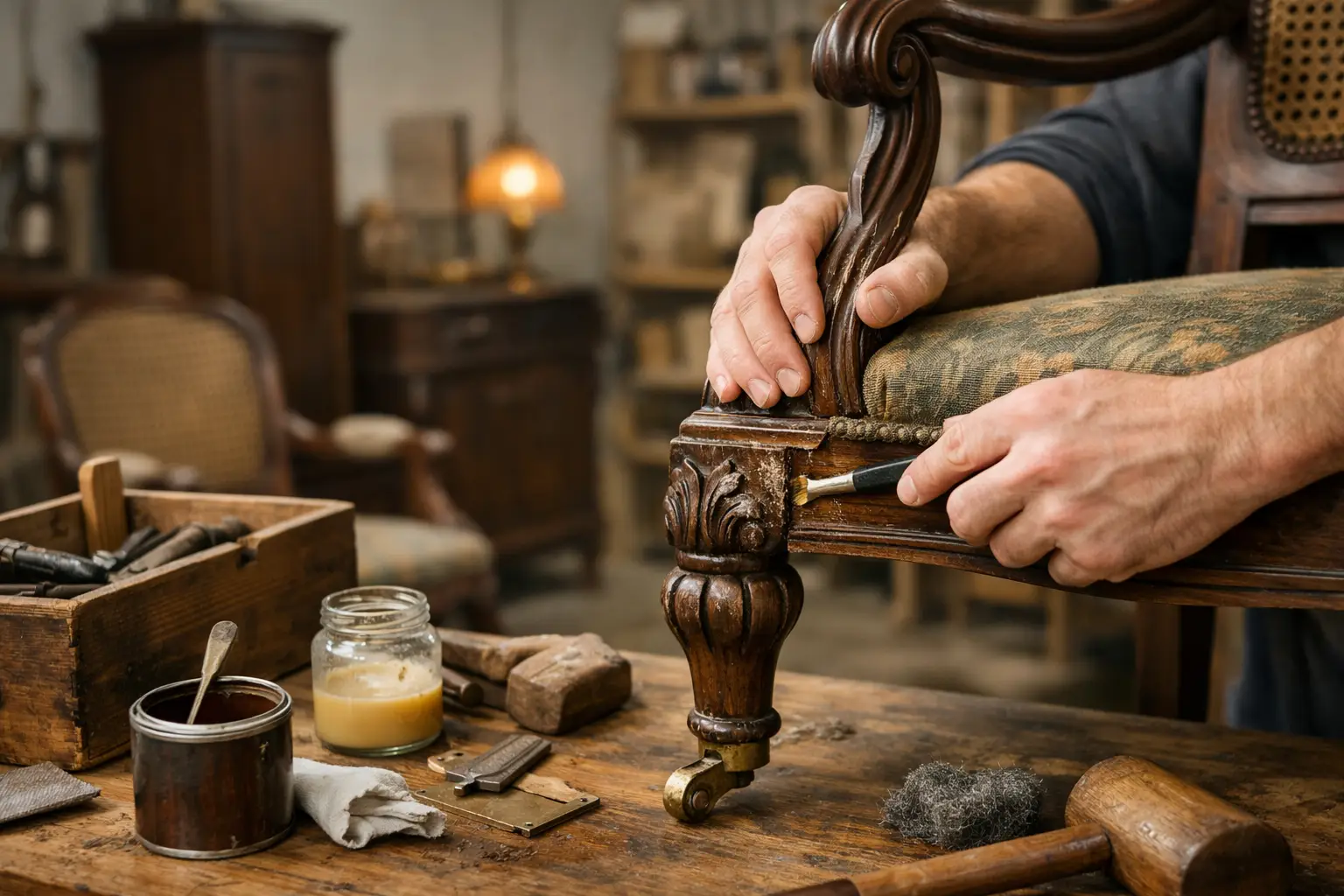
Upholstery only performs as well as the frame beneath it. Before choosing fabric or planning repairs, check the furniture for loose joints, cracks, missing blocks, water damage, insect damage, and uneven legs. Lift the piece gently by its frame, not its arms or back. If it twists, rocks, or creaks excessively, it likely needs structural repair before upholstery work begins.
Older furniture often has strong hardwood construction that is worth saving. Loose mortise-and-tenon joints can usually be disassembled, cleaned, reglued, and clamped. Corner blocks can be repaired or replaced, and damaged sections may be reinforced when a full replacement would compromise the original frame.
Avoid simply driving screws through loose joints as a quick fix. That can split aged wood and make a proper repair more difficult later. Similarly, do not cover up a frame problem with new foam and fabric. The upholstery may look improved for a short time, but the furniture will continue to shift and wear unevenly.
Document Details Before Removing Old Upholstery
Original upholstery can reveal how a piece was built. Take clear photos of every angle before removing fabric, including the underside, tack placement, trim, seams, spring layout, webbing, and any labels or markings. Photograph each layer as it comes off.
Save samples of the original fabric, dust cover, trim, stuffing, and webbing when possible. Even deteriorated materials can help identify the period, color family, construction method, and approximate yardage. If the furniture has an unusual tufting pattern, channel back, button layout, or decorative nail trim, measurements and photos are especially valuable.
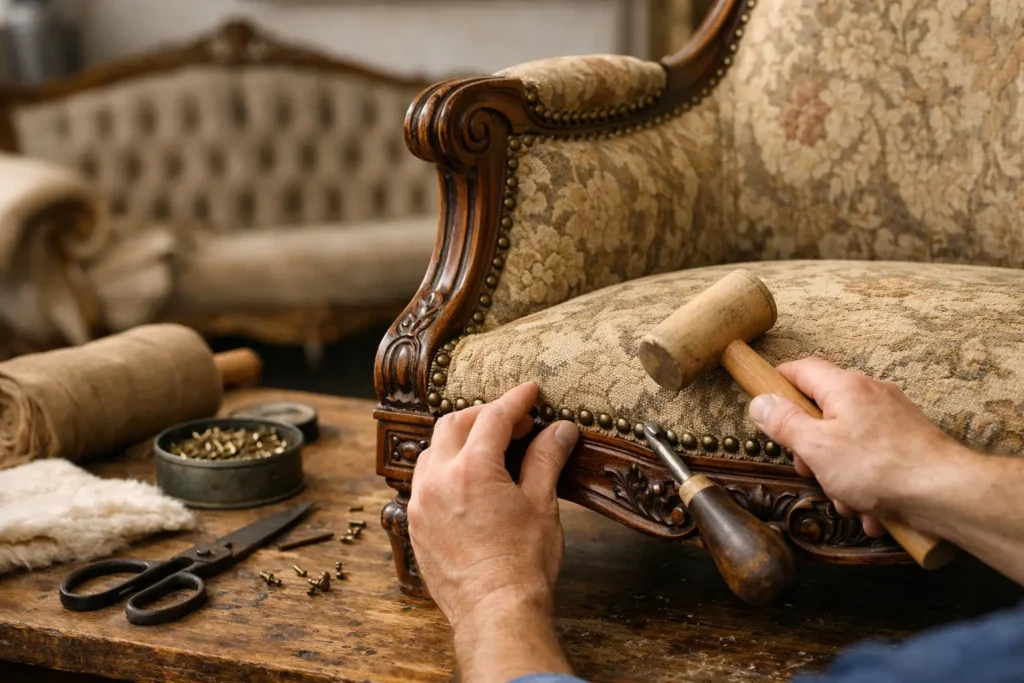
Remove old materials slowly. Antique furniture may contain brittle wood, hand-forged tacks, sharp staples from a later repair, or springs under tension. A tack puller, pliers, small pry tool, and patience are safer than force. Keep original hardware and decorative pieces organized in labeled containers.
Decide What “Restored” Means for Your Piece
The best restoration method depends on the furniture’s age, condition, value, and intended use. A museum-quality piece may call for historically appropriate materials such as jute webbing, horsehair, cotton batting, hand-tied coil springs, and traditional tacks. A family chair used at the dining table every day may benefit from modern support materials hidden beneath a period-appropriate fabric.
There is a trade-off. Traditional methods preserve authenticity and can provide excellent longevity, but they take more labor and may not deliver the same feel as modern foam. High-density foam, sinuous springs, and synthetic batting can improve comfort and reduce maintenance, but they may alter the original construction. Neither choice is automatically right.
A practical middle ground is common in antique upholstery restoration. The frame, visible woodwork, shape, and decorative details are retained, while worn-out filling or support layers are upgraded where they cannot be seen. This can give an heirloom piece a longer working life without losing its identity.
Repair Springs, Webbing, and Padding Before Fabric
The foundation layers are where quality restoration is won or lost. If a seat sinks, feels lopsided, or makes noise, the problem may be broken webbing, loose spring ties, compressed stuffing, or a damaged seat deck rather than the visible fabric.
Traditional coil springs should be inspected for rust, breaks, and loose stitching. A qualified upholsterer can retie springs using twine in the proper pattern to support the seat evenly. Replacing every old spring is not always necessary. Sound original springs can often be retained and reset, while failed components are replaced.
Webbing should be tight, secure, and appropriate for the application. Jute webbing is traditional and works well for many antique pieces, while modern synthetic webbing may be a sensible choice for furniture that will see frequent use or changing humidity. For Colorado homes, dry conditions can affect old natural fibers and wood joints, making a thorough inspection worthwhile.
Padding requires the same judgment. Horsehair and cotton may be reusable if clean, resilient, and free from odor or pests. If the original stuffing is brittle, contaminated, or permanently flattened, replacement is usually the better decision. New cotton, wool, fiberfill, or high-density foam can be layered to recreate the correct shape and firmness.
Choose Fabric That Fits the Furniture and Its Use
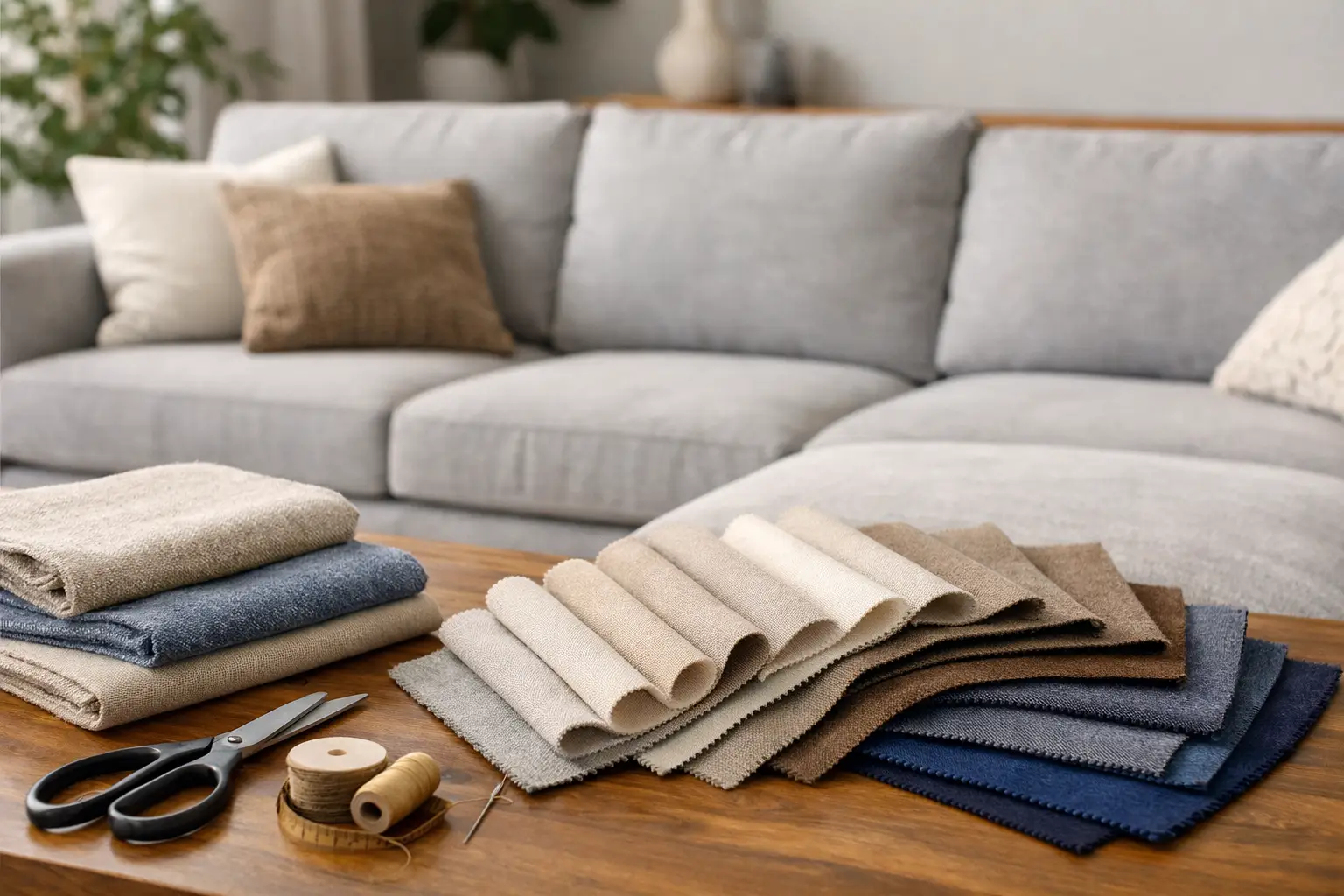
Fabric selection should reflect both the style of the antique and the way the furniture will be used. A delicate silk or period-inspired damask may suit a formal parlor chair that receives limited use. A family room wingback or dining chair needs a more durable upholstery-grade fabric that can stand up to daily contact.
Consider weave, abrasion resistance, pattern scale, color, and cleaning needs. Large patterns can overwhelm a small chair or become difficult to align across a curved back. Stripes and plaids require precise matching, especially on cushions, arms, and tufted areas. A solid or subtle texture may better showcase carved wood, decorative legs, or an unusual frame shape.
Leather can be appropriate for some antique office chairs, club chairs, and mission-style pieces, but it should be chosen carefully. Leather thickness, finish, and stretch all affect the final result. Vinyl and performance fabrics can be useful on pieces that need easy cleaning, though they may not suit every period or room.
Before committing, view fabric samples in the room where the furniture will live. Natural light, wall color, and surrounding wood tones can change how a color reads. It is also wise to order enough material for the full project, including pattern matching and future repairs if the fabric is likely to be discontinued.
Preserve the Details That Give It Character
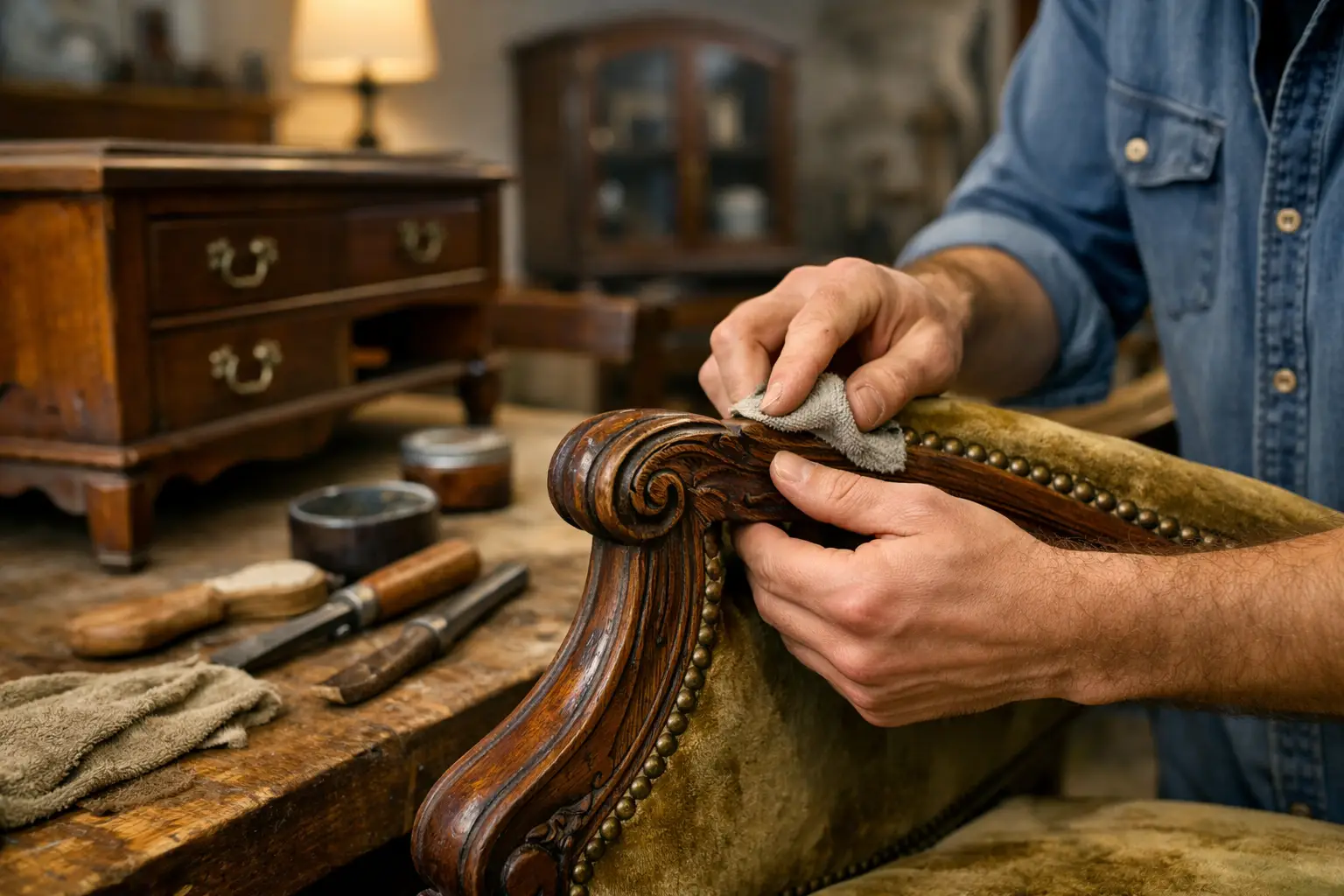
Antique upholstery often includes features that cannot be replaced with off-the-shelf components. Decorative nails, gimp trim, fringe, carved wood arms, exposed wood edges, brass casters, and original buttons all deserve special attention. Cleaning and preserving these details is usually preferable to replacing them with modern substitutes.
Wood should be cleaned gently and evaluated before refinishing. An old finish with minor wear may be part of the furniture’s character. Stripping it completely can reduce the appeal or value of the piece, particularly when there is original patina. If refinishing is needed because of severe water damage, peeling finish, or previous paint, test small areas first and use a method suited to the wood and finish.
Odors, mold, and pest damage should be addressed before the furniture is reupholstered. New fabric will not solve problems trapped in old padding or inside the frame. In cases involving heavy smoke odor, extensive water damage, or active insects, professional assessment is often the safest route.
When to Hire an Upholstery Restoration Shop
Simple cleaning, minor touch-ups, or replacing a removable cushion cover may be reasonable do-it-yourself projects. Full antique reupholstery is different. It requires the ability to repair frames, build seat foundations, shape padding, align fabric, sew custom components, and reinstall trims without damaging aged materials.
Professional help is especially worthwhile when furniture has hand-tied springs, complex tufting, curved frames, valuable original fabric, major structural damage, or strong sentimental value. A shop can also help determine whether the piece should be preserved as closely as possible or updated for modern use.
Rocky Mountain Upholstery works with homeowners who want to repair, reupholster, and extend the life of furniture with real structural value. An in-person evaluation makes it easier to identify hidden repairs, compare material options, and plan a restoration that suits the piece rather than applying a one-size-fits-all solution.
A well-restored antique should feel solid when you sit in it, look appropriate in its setting, and remain useful for years instead of becoming another fragile object stored away. Start with the frame, respect the original construction, and choose every repair and material with the next generation of use in mind.