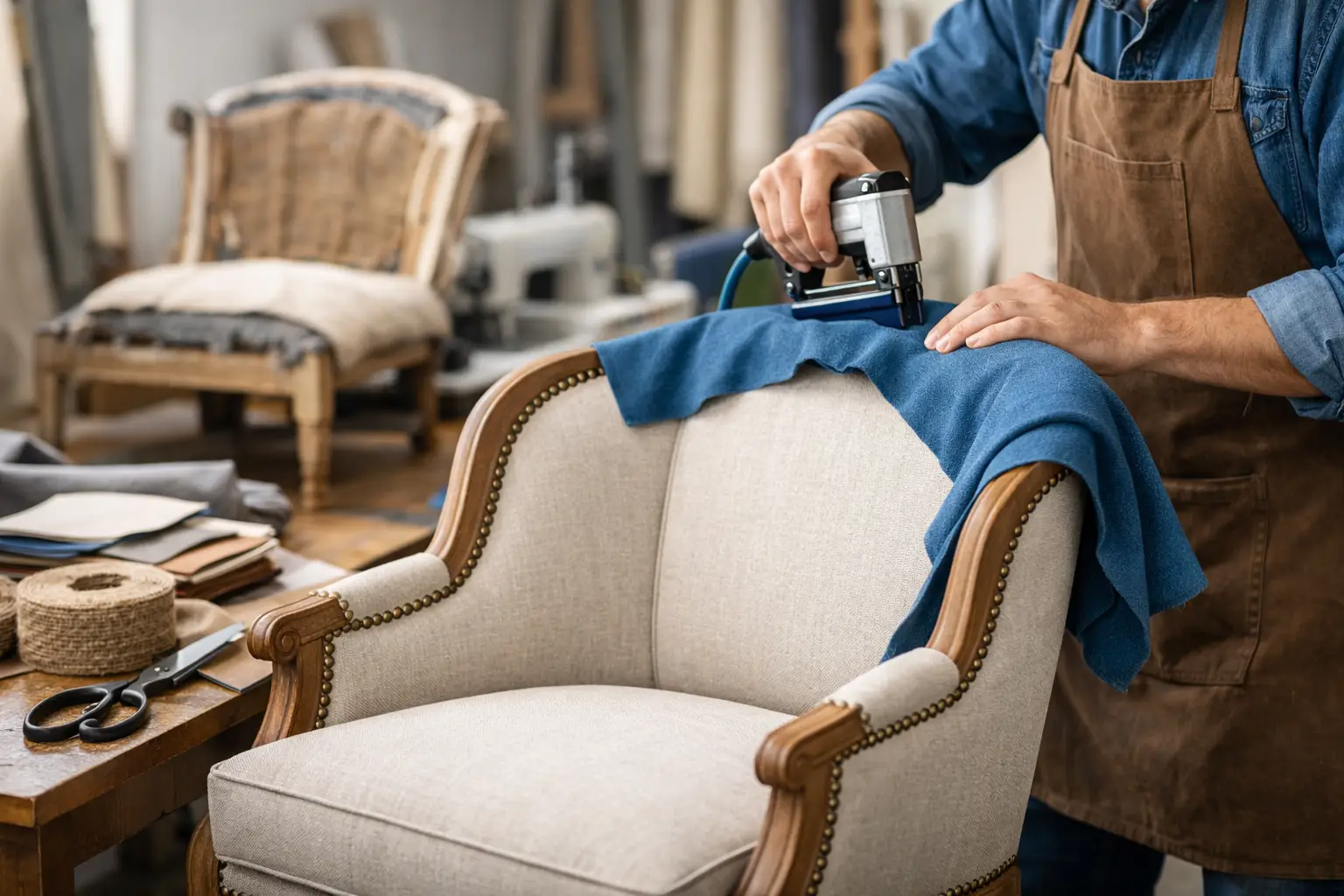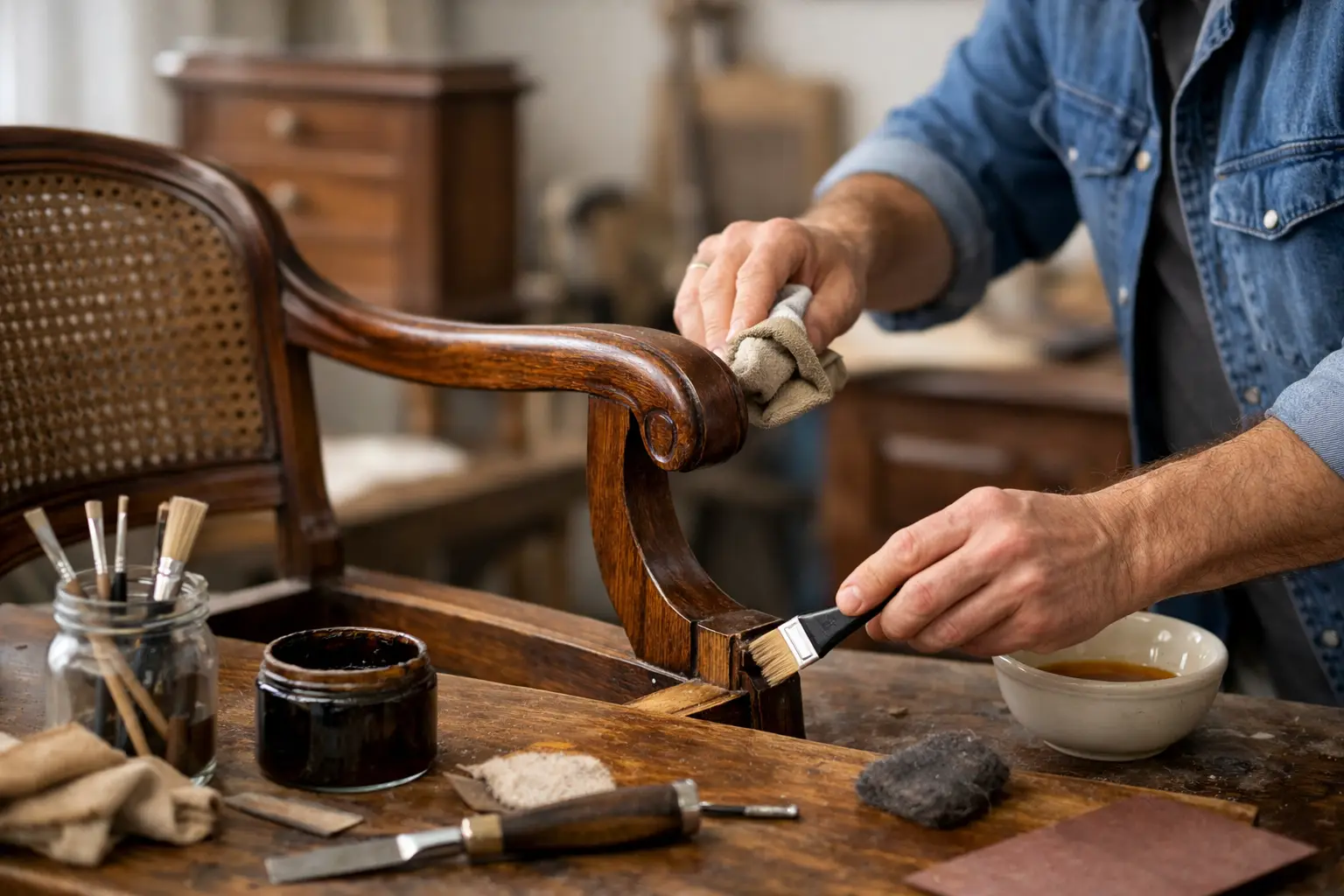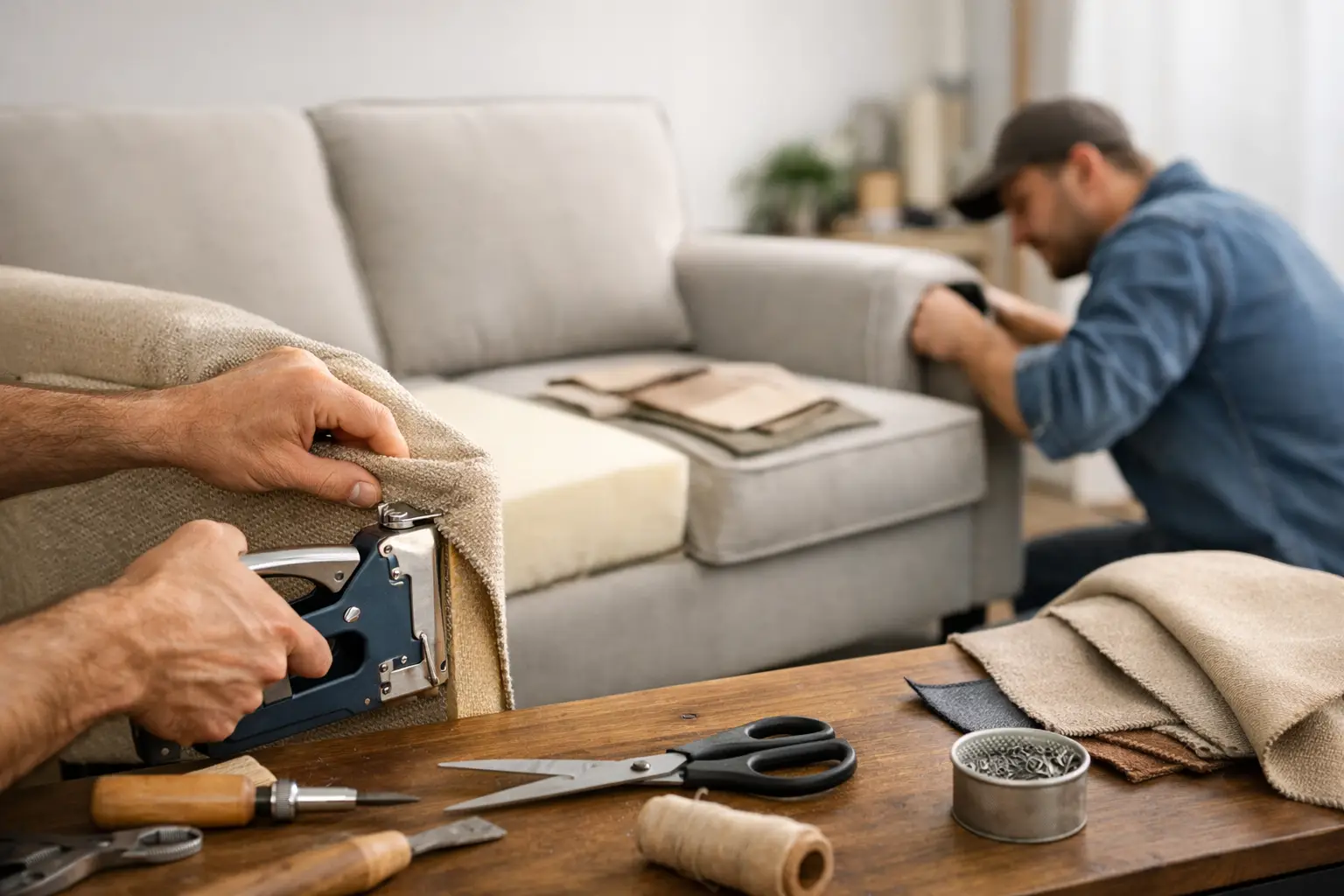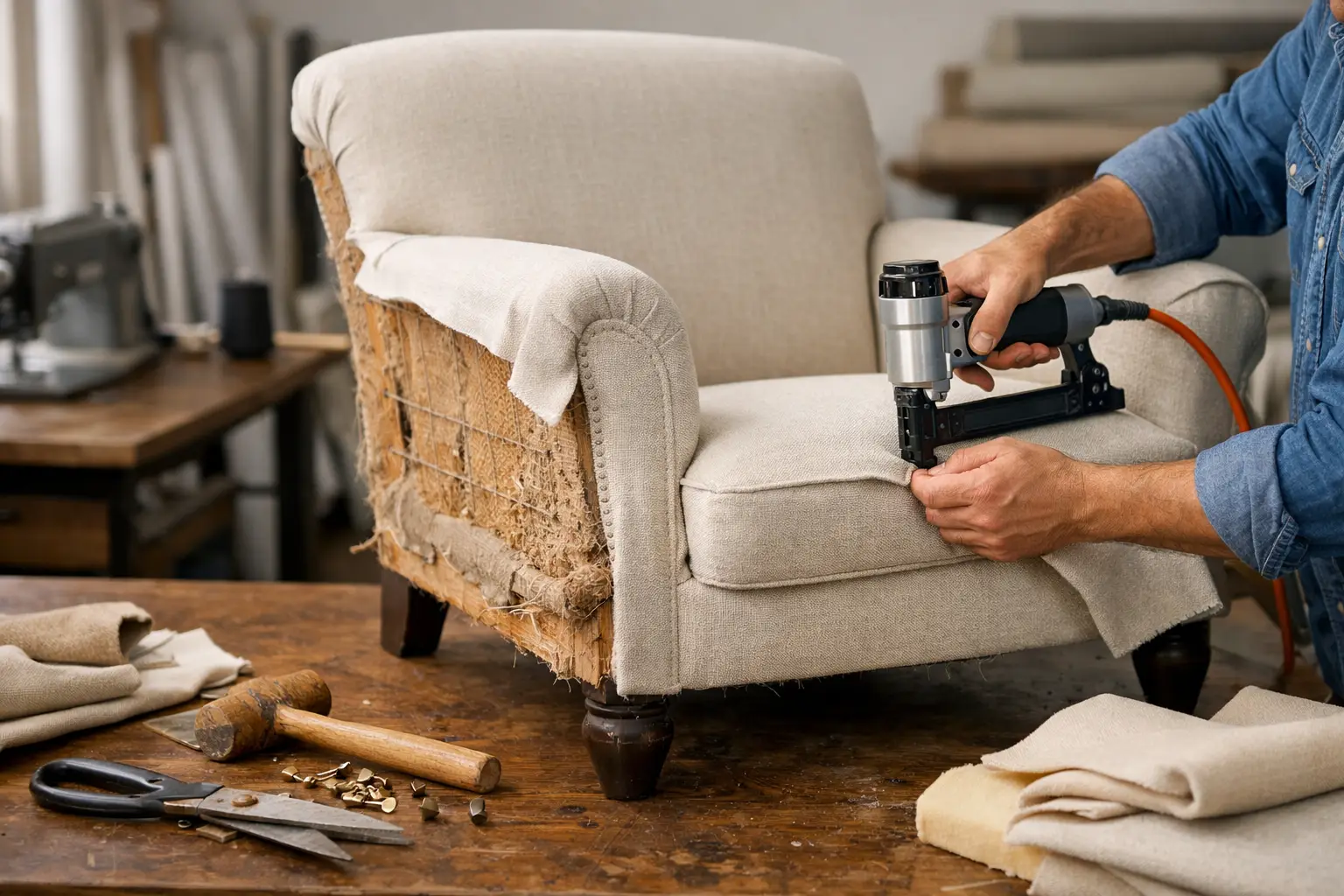
A chair that wobbles, a sofa that sags on one side, or an ottoman that creaks every time someone sits down usually points to the same issue – the frame is failing. If you are looking up how to repair broken furniture frames, the real question is often whether the piece still has enough structural value to justify the work. In many cases, it does. Solid wood furniture, well-built seating, and pieces with sentimental or design value are often worth repairing, especially when the damage is isolated to joints, rails, corner blocks, or support members.
Frame repair is not one-size-fits-all. The right method depends on the furniture type, the frame material, the location of the break, and how the piece is used. A dining chair takes stress differently than a recliner. A family sofa with a hardwood frame can often be restored with new blocking, glue, screws, and internal reinforcement, while a low-grade particleboard frame may not hold a lasting repair. That distinction matters because a repair should restore strength, not just hide damage.
How to Repair Broken Furniture Frames the Right Way
The first step is finding the true point of failure. What looks like a cracked arm may actually be caused by a loose joint lower in the frame. Upholstered furniture makes this harder because fabric, padding, and dust covers can hide the structure. In a professional shop, the frame is inspected from the underside and, when needed, partially stripped back so the damaged area can be reached without guessing.
Common failures include split rails, separated joints, broken corner blocks, loose legs, and cracked support members. With chairs, the issue is often at the joints where stretchers, legs, and seat rails meet. With sofas and loveseats, repeated stress may break front rails, back posts, or arm assemblies. In commercial seating, high-use traffic often loosens joints over time until one component finally gives way.
Once the break is identified, the damaged joint or member needs to be taken apart as cleanly as possible. This is where many do-it-yourself repairs go wrong. Driving a few screws through the outside of the frame may make the furniture feel tighter for a short time, but it can also split the wood further, throw the frame out of alignment, or interfere with proper upholstery work later. A durable repair starts with removing failed glue, separating loose parts, and checking whether the surrounding wood is still sound.
Matching the Repair to the Frame Material
Solid hardwood frames are the best candidates for long-term repair. If a hardwood rail has split, it may be glued and clamped if the break is clean. If the member is badly fractured or crushed at the fastener points, replacement is usually the better choice. Shops that handle structural restoration often fabricate a matching part rather than forcing a weak original piece back into service.
Softwood frames can also be repaired, but they do not always hold fasteners and glue as well after repeated stress. Extra reinforcement may be needed. Plywood can perform well when it is high quality and the break is limited, but once laminated layers begin to separate, the repair becomes less reliable. Particleboard and low-density composite frames are usually the least repairable, especially around joints and staple lines.
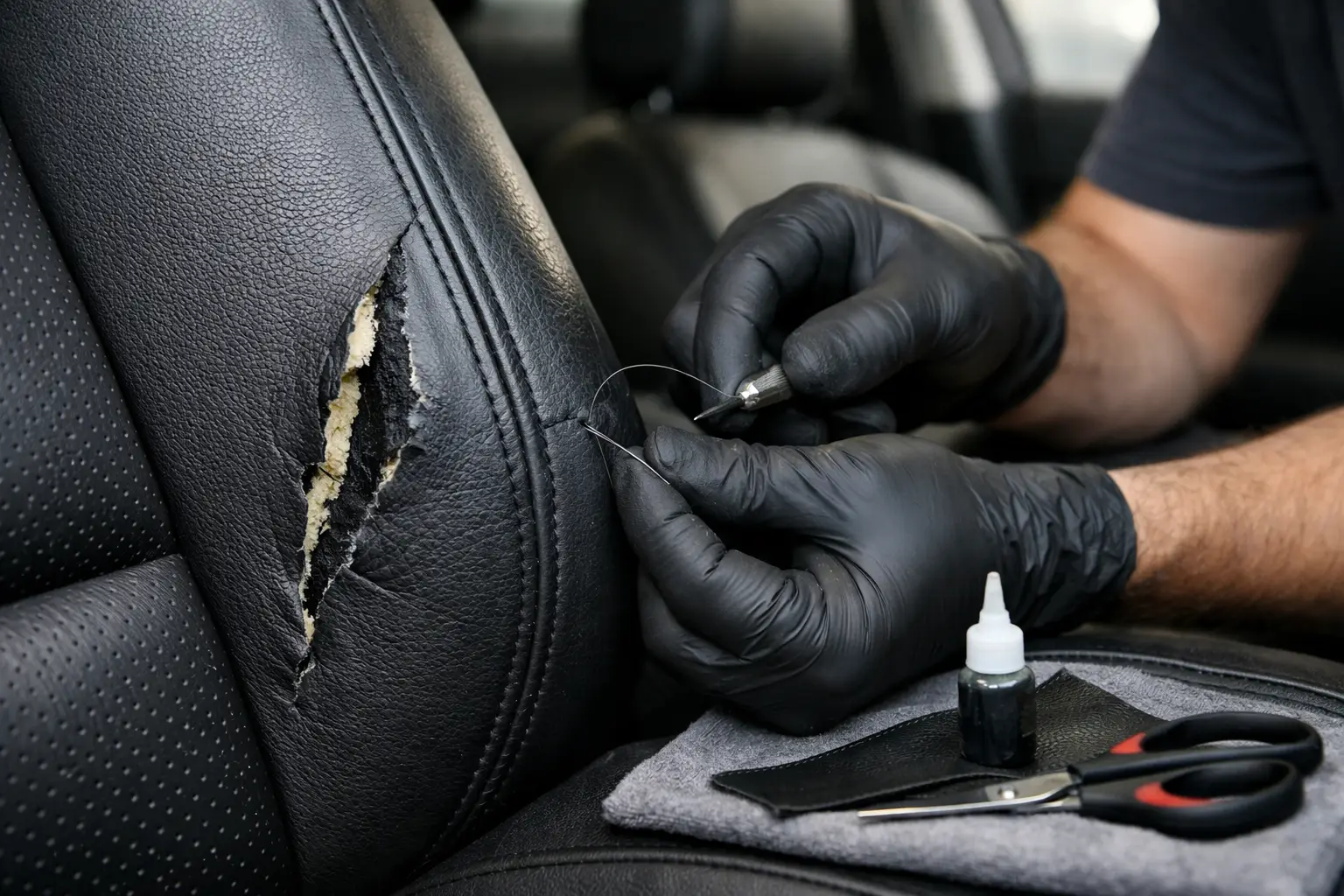
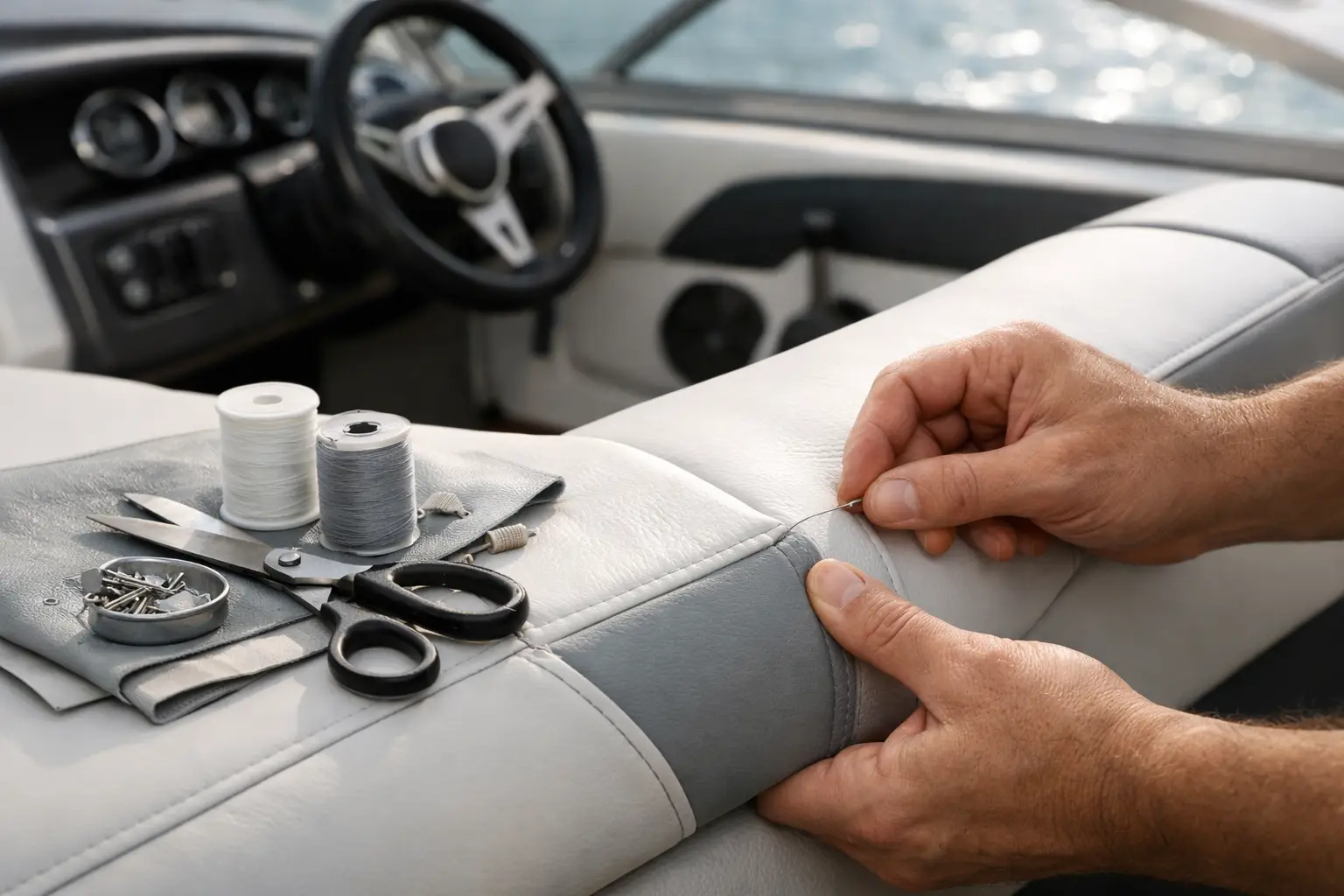
Metal furniture frames are a separate category. Bent or broken welds require metalworking equipment and should be handled differently than wood repair. The same principle applies to specialized seating in RVs, boats, automotive interiors, or commercial environments. The frame may include mixed materials, mechanical hardware, or load points that need experienced handling.
Why joints fail
Most broken furniture frames are really failed joints. Glue dries out, fasteners loosen, movement increases, and each use adds more stress. Eventually, the joint shifts enough to crack the adjoining wood. That is why a proper repair usually focuses on both the broken part and the surrounding connection points.
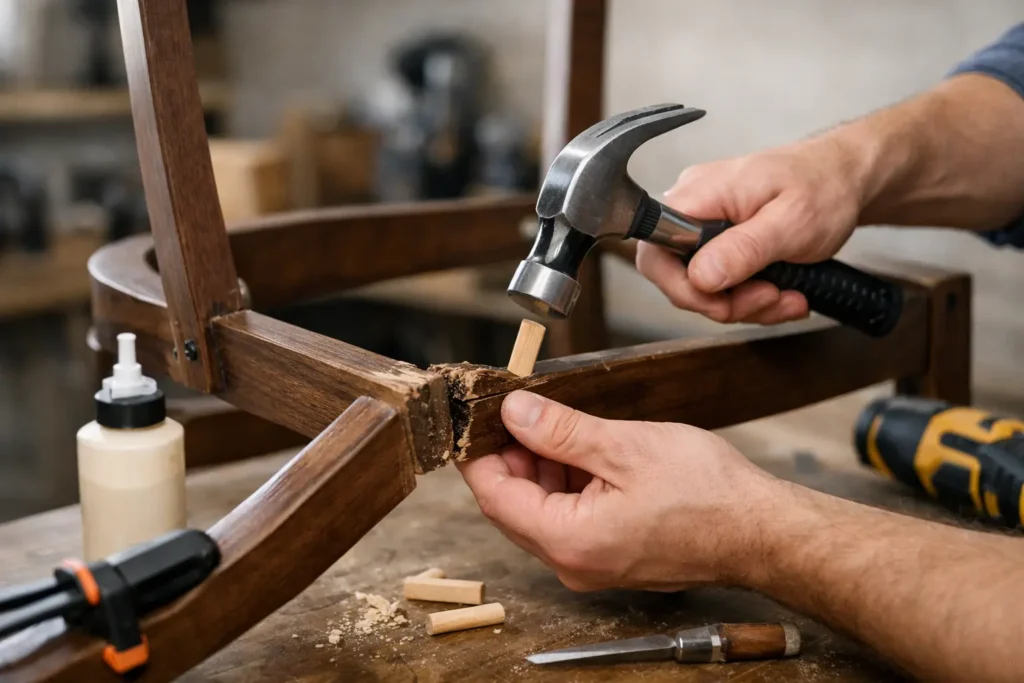
Regluing a joint can be effective when the mating surfaces are intact and can be clamped square. If the original dowels are damaged, they may need to be replaced. If a mortise and tenon joint has worn loose, the fit may need to be rebuilt before glue is reapplied. Corner blocks often need to be replaced outright if they have split, pulled loose, or crushed under load.
Reinforcement Methods That Actually Hold
A lasting frame repair usually combines adhesive bonding with mechanical reinforcement. Wood glue works well on clean, properly fitted wood surfaces, but glue alone is not enough when the joint has been compromised or the furniture carries significant weight. In those cases, reinforcement helps distribute stress and reduce movement.
Corner blocks are one of the most effective ways to stabilize upholstered furniture frames. Installed at inside corners, they strengthen seat rails and help prevent racking. Sistering is another useful method, where a new wood support is attached alongside a damaged rail or member to restore rigidity. Dowels, screws placed in correct orientation, hardwood cleats, and replacement braces can also improve strength when used carefully.
The trade-off is that reinforcement has to fit the piece. Overbuilding a frame can create problems with upholstery clearances, spring systems, decking, or cushion fit. A chair frame may need a clean, hidden repair that preserves original lines. A heavily used commercial booth may benefit from stronger internal blocking because function takes priority over strict originality. Good repair work balances strength, appearance, and how the furniture will be used.
Clamping and alignment matter
Even a good repair can fail if the frame is clamped out of square. Before glue cures, the piece needs to be checked for alignment at the legs, rails, and seating surface. On upholstered seating, frame geometry affects everything that comes after it, including support, fabric tension, and cushion fit. If the frame is twisted, the finished piece will never sit quite right.
When Upholstery Has to Come Off
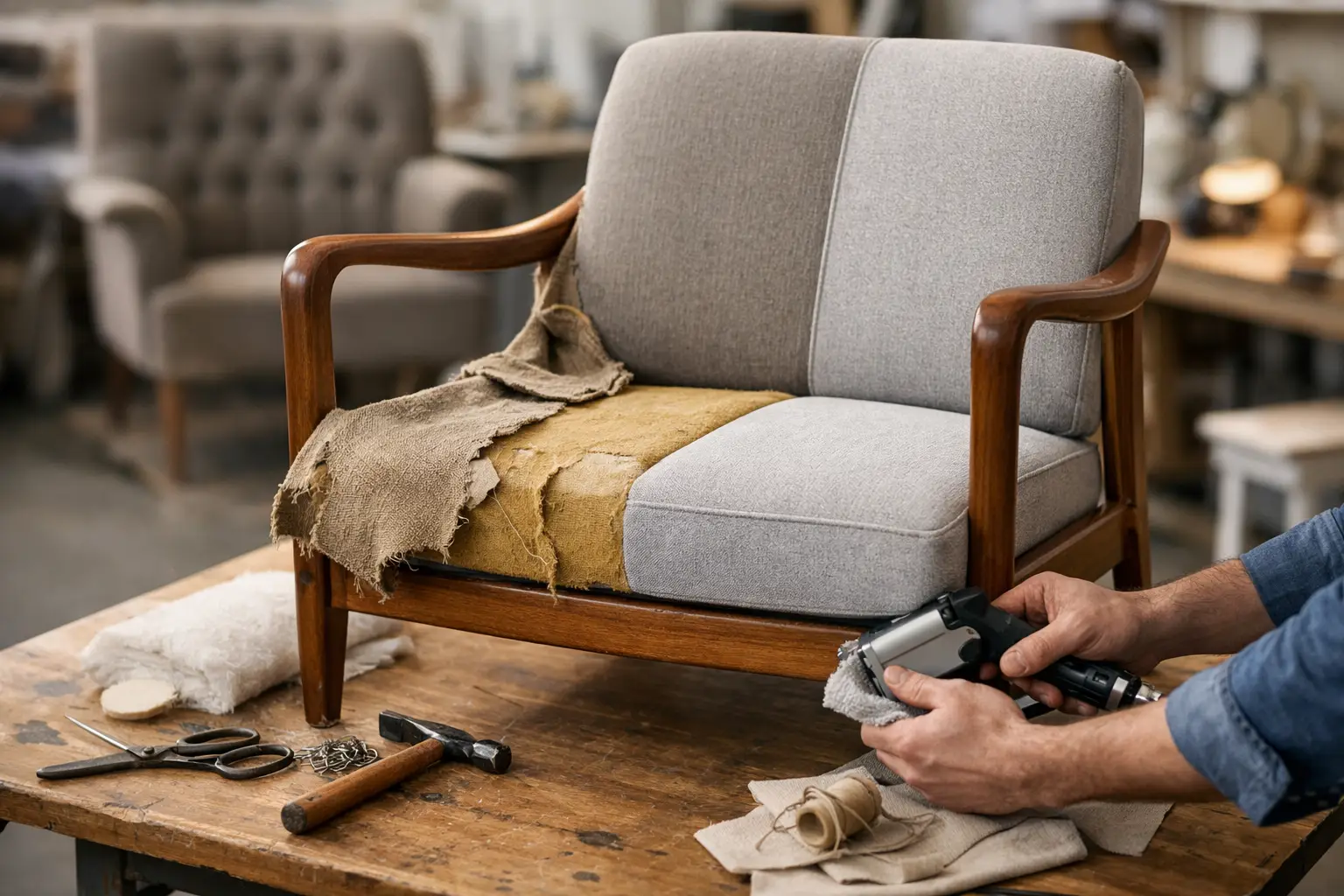
Some frame repairs are accessible from the underside. Others are buried beneath fabric, foam, springs, and padding. If the damage is in the arms, inside back, or seat structure, upholstery removal is often required to do the job correctly. This is one reason frame repair and upholstery work frequently go hand in hand.
Removing fabric is not just a matter of pulling staples. The order matters, especially on tailored pieces with welting, panels, or sewn components that need to be reused or replicated. Once the frame is exposed, the repair can be completed without guesswork. Afterward, padding may need replacement, supports may need adjustment, and the covering has to be reinstalled with proper tension and finish.
For older furniture, opening the piece up often reveals more than one issue. Webbing may be stretched, springs may be loose, foam may be breaking down, and previous repairs may have been poorly done. That does not always mean the project is not worthwhile. It means the repair should be evaluated as a whole rather than as a single crack in the wood.
Repair or Replace?
Not every broken frame should be repaired. If the furniture was lightly built to begin with, if the damage is widespread, or if multiple structural members have failed, replacement may be the more practical option. The same is true when repair costs exceed the value of the piece and there is no sentimental or design reason to keep it.
But many pieces are better than what is sold new at similar price points. Older hardwood furniture, custom seating, heirloom pieces, and quality upholstered frames often justify repair because the core structure is still worth saving. For businesses, repair can also reduce downtime and replacement costs, especially for restaurant seating, office furniture, waiting room chairs, and other high-use items that need dependable service life.
Signs a professional repair makes sense
If the frame has sentimental value, if the furniture is custom-sized, if the upholstery is still worth preserving, or if the damage affects safety, professional repair is usually the better route. The same applies when the break involves load-bearing areas, multiple loose joints, recliner mechanisms, or hidden structural components.
A skilled shop can assess whether the damaged section should be glued, reinforced, rebuilt, or replaced. Rocky Mountain Upholstery handles this kind of structural work as part of broader restoration and upholstery projects, which matters when the frame, padding, and covering all need attention together.
What to Expect From a Proper Frame Repair
A good repair should do more than stop the wobble. It should restore stable support, correct alignment, and dependable daily use. On upholstered furniture, it should also preserve the shape and comfort of the piece. The repair may be invisible from the outside, but internally it should address the reason the frame failed in the first place.
That usually means more than adding hardware. It means evaluating wood condition, rebuilding joints correctly, replacing broken supports where needed, and making sure the finished piece can handle real use. Whether the furniture lives in a home, a lobby, an RV, or a restaurant, the goal is the same – restore strength without compromising fit and finish.
If you are weighing how to repair broken furniture frames, start with the construction quality of the piece and the location of the damage. A well-built frame with a localized failure is often a strong candidate for repair. When the work is done with the right materials, proper joinery, and attention to the surrounding upholstery, a damaged piece can return to service with years of life still ahead of it.