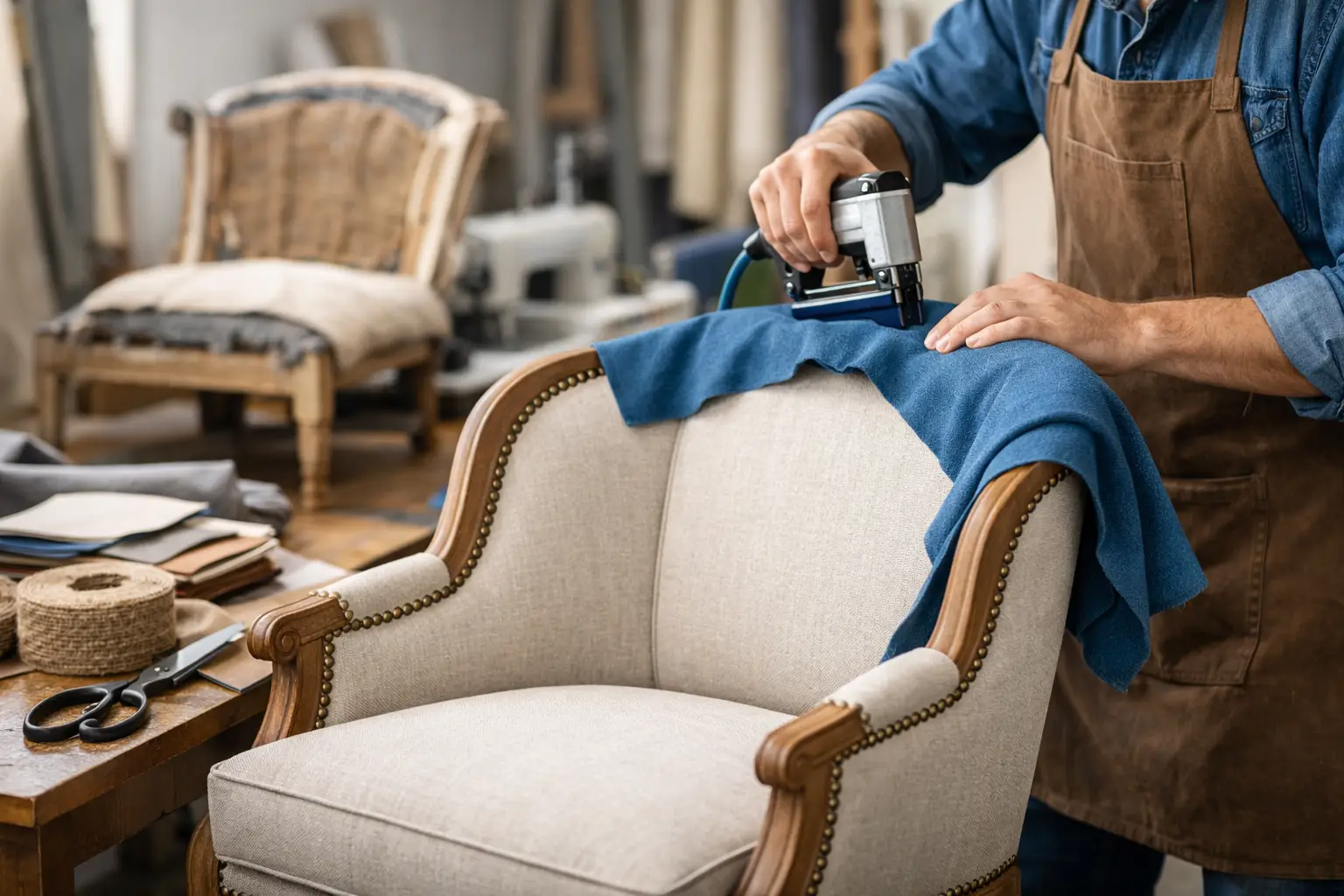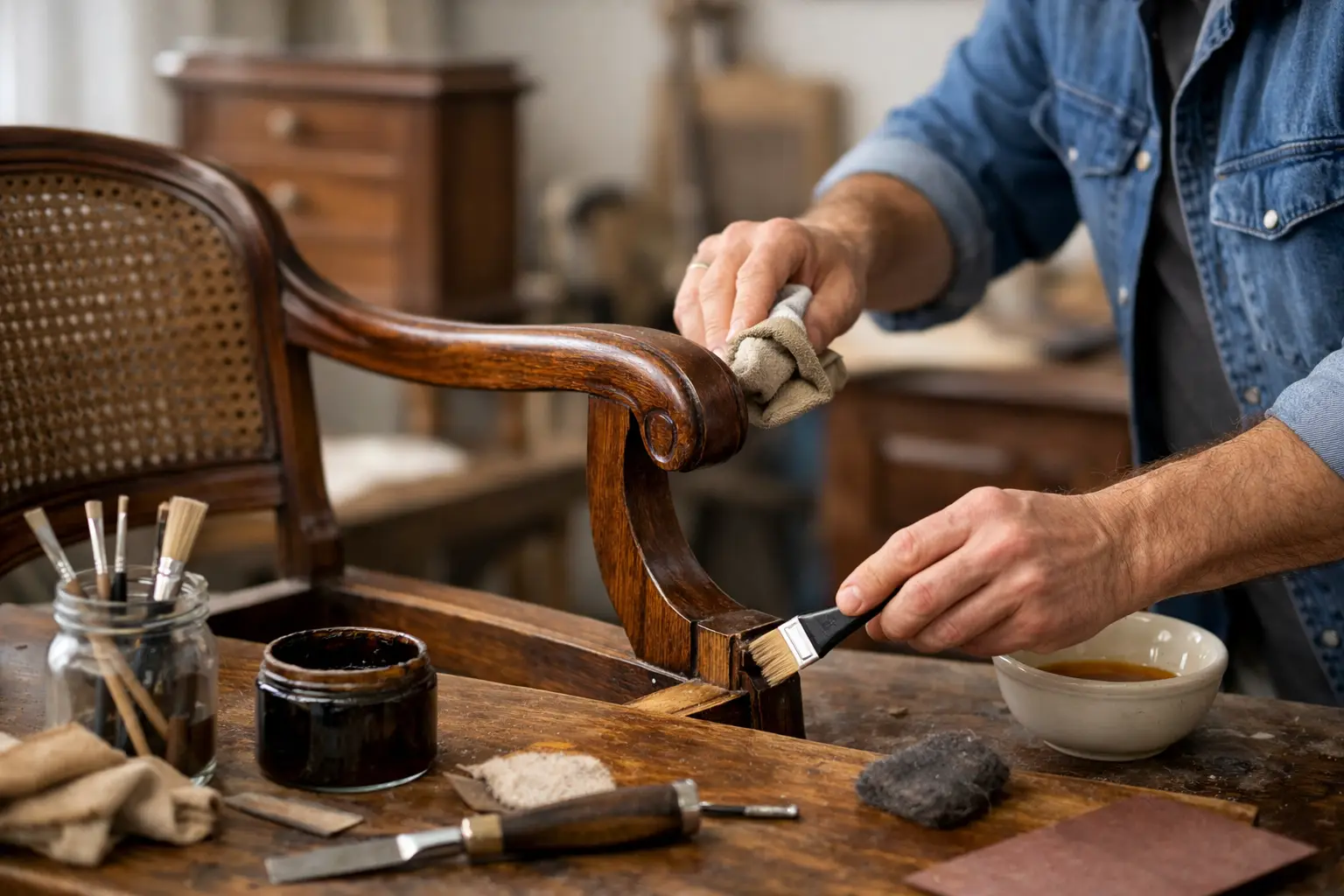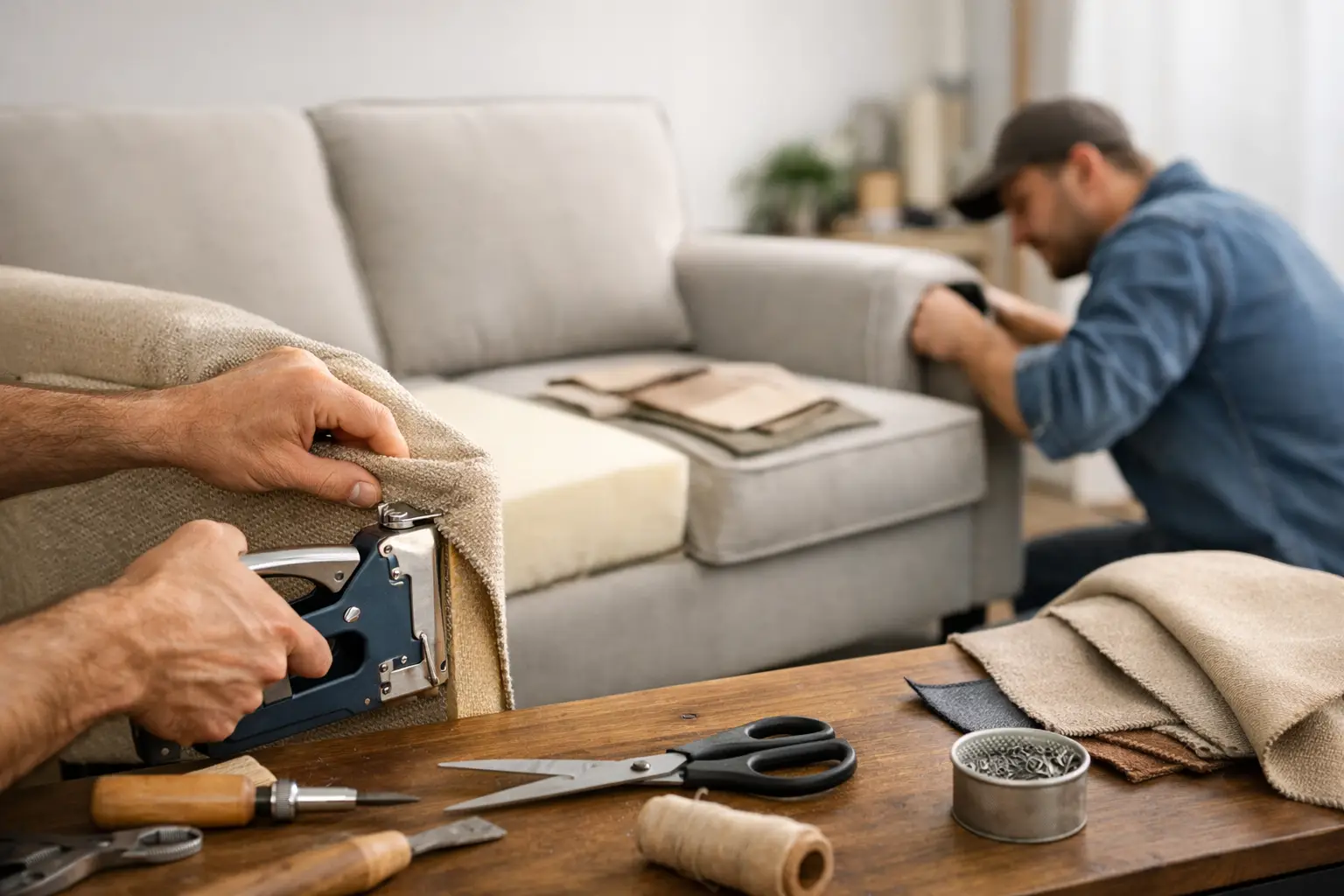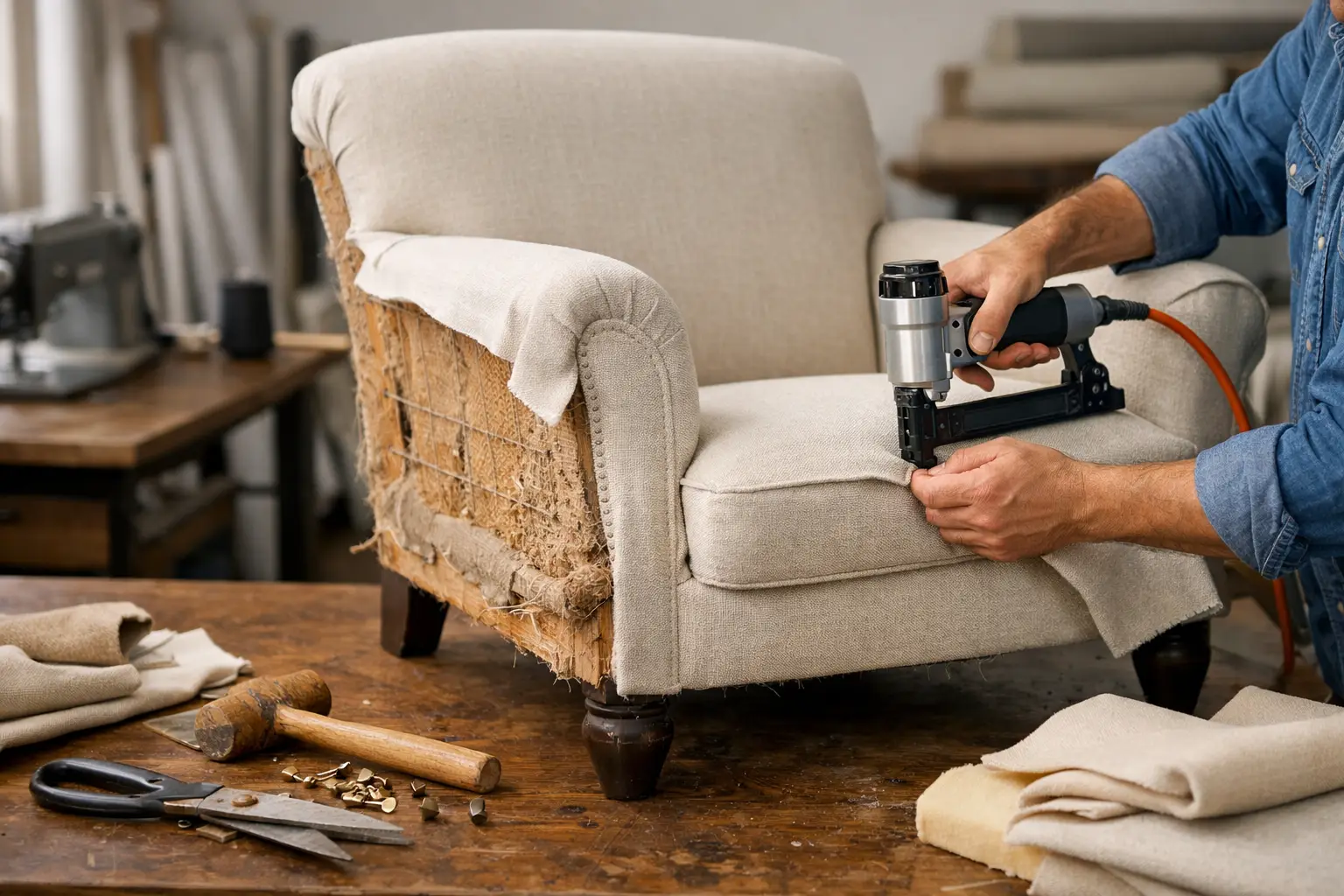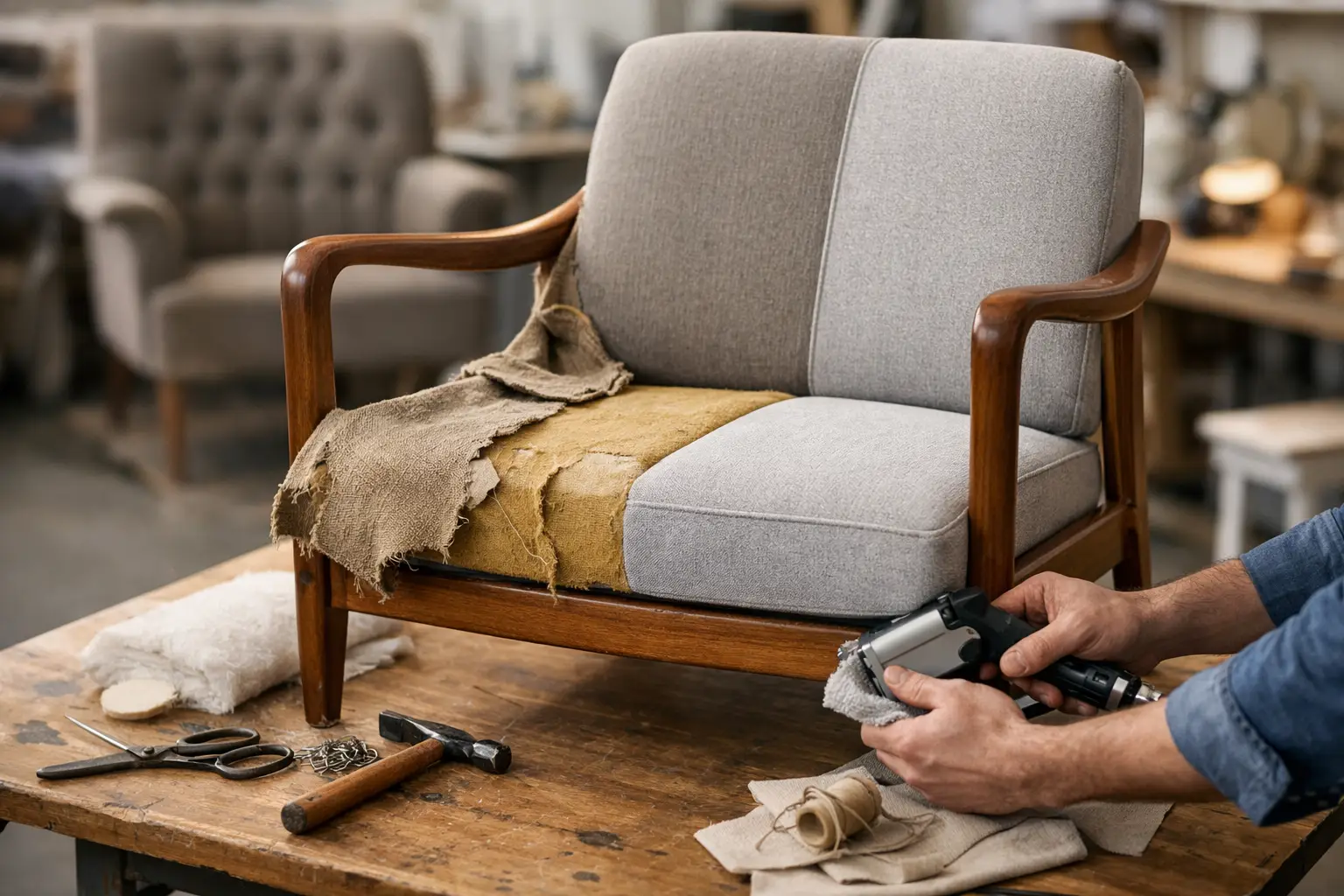
A sofa that looks great in the showroom can be the wrong choice once it meets kids, pets, direct sun, or daily use. That is why knowing how to choose upholstery fabric matters before any reupholstery or custom interior project begins. The right material does more than change the look of a piece – it affects comfort, durability, maintenance, and how well that piece holds up over time.
For some projects, fabric selection is straightforward. For others, it depends on where the item is used, how often it sees wear, and whether appearance or performance needs to take the lead. A formal chair in a quiet room calls for something different than restaurant booth seating, an RV dinette, or boat cushions exposed to moisture and sunlight.
Start with the way the piece is actually used
The most common mistake is choosing fabric by color or pattern first. Appearance matters, but function should come before finish. A family room sectional, a motorcycle seat, and a waiting room chair may all need upholstery, but they do not need the same material.
If the piece gets daily use, look closely at abrasion resistance, cleanability, and how tightly the fabric is woven. High-traffic seating usually benefits from performance fabrics, vinyls, leather alternatives, or other durable options that can handle repeated contact without wearing thin too quickly. If the project is more decorative than functional, you may have more flexibility to use textured weaves, patterns, or softer fabrics that would not be ideal in a heavy-use setting.
This is also where the environment matters. Indoor furniture has different demands than patio cushions, marine seating, or automotive interiors. Sun exposure, heat, moisture, and temperature swings can shorten the life of the wrong material fast.
How to choose upholstery fabric by application
There is no single best upholstery fabric. There is only the best fabric for the job.
Residential furniture
For sofas, dining chairs, accent chairs, and sectionals, comfort and wear usually need to be balanced. Households with children or pets often do better with tightly woven fabrics, stain-resistant materials, or options with some built-in performance treatment. Light colors can work, but they usually need more maintenance. Highly textured fabrics can add depth and interest, though they may trap more dirt or pet hair than smoother surfaces.
Leather can be an excellent choice for certain homes because it wears in rather than simply wearing out, but it also shows scratches and can feel cold or warm depending on the season. Some clients prefer the easier upkeep of vinyl or synthetic alternatives in active spaces.
Automotive, RV, motorcycle, and aviation interiors
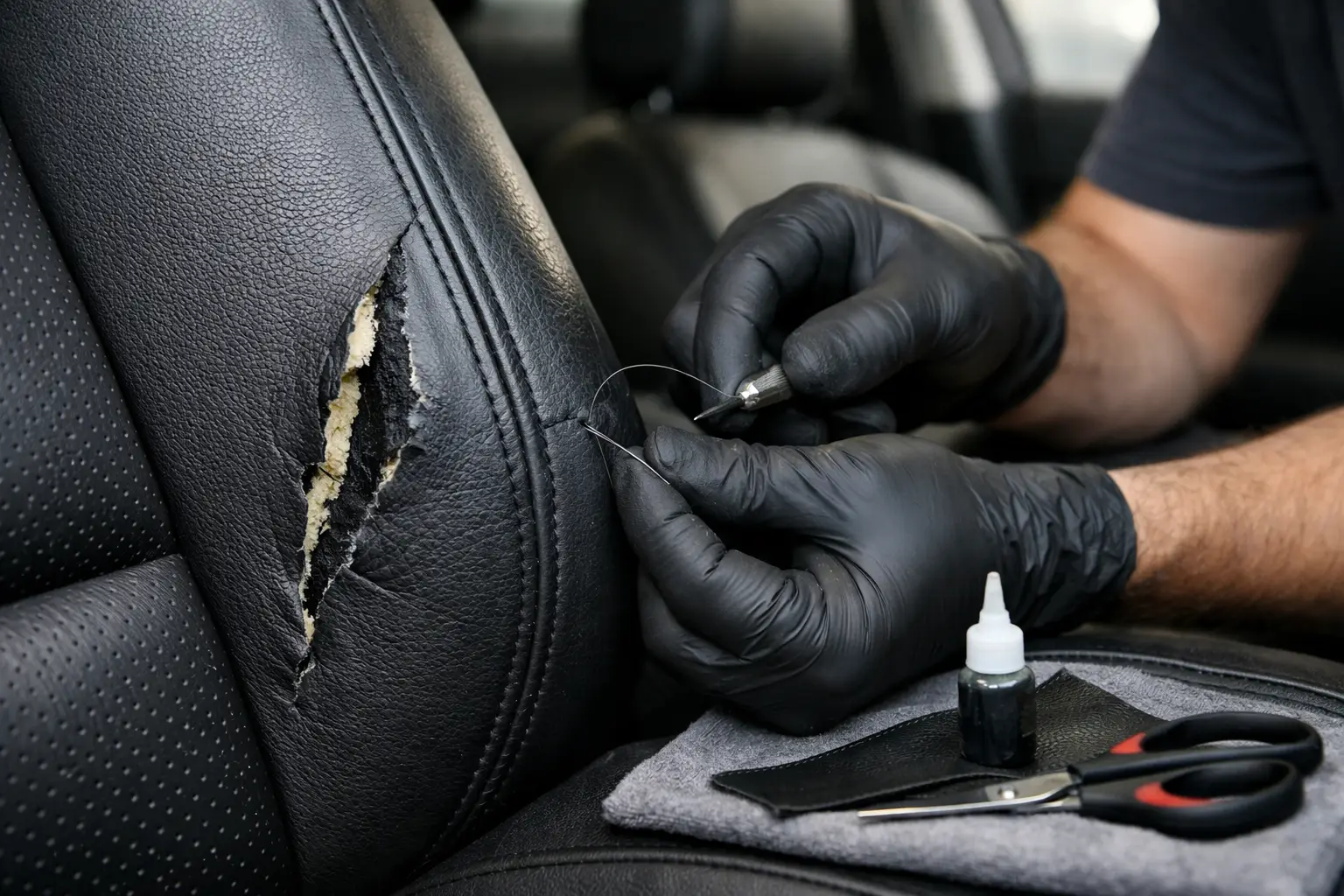
Vehicle upholstery needs to handle friction, body oils, shifting temperatures, and regular entry and exit. In these settings, durability usually outweighs purely decorative concerns. Seam strength, stretch, fade resistance, and ease of cleaning all matter.
For motorcycles and many marine applications, water resistance is a major factor. For RVs and aircraft, weight, flexibility, and cleanability may all come into play depending on the project. A fabric that looks sharp in a swatch book may not perform well on a contoured seat, panel, or high-motion surface.
Marine and outdoor projects
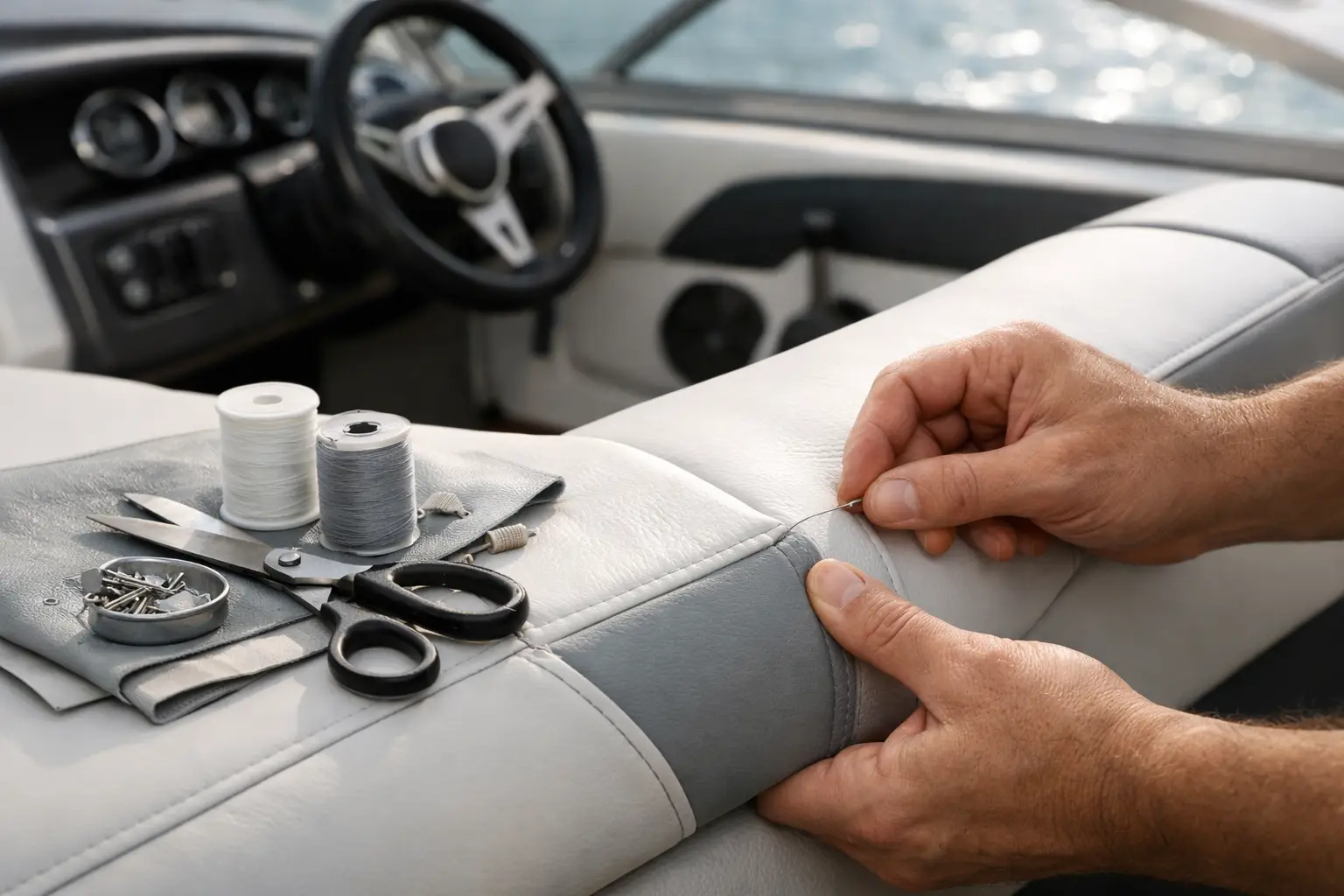
Outdoor and marine upholstery need materials built for moisture and UV exposure. This is one area where choosing by appearance alone often leads to early failure. Mildew resistance, colorfastness, and quick-drying construction matter as much as color.
Not every fabric labeled for outdoor use performs equally well in full sun or wet conditions. Cushions under a covered patio face a different level of exposure than boat seating or dock furniture. It is worth being realistic about how much weather the material will actually face.
Commercial seating
Restaurants, offices, medical facilities, theaters, and hospitality spaces need upholstery that can hold up under frequent use and still present well. Commercial work often calls for a stronger focus on code considerations, cleanability, consistency across multiple pieces, and long-term value.
In these settings, the best fabric is often the one that keeps maintenance manageable and replacement cycles longer. A softer or more decorative option may look good at installation, but if it stains easily or wears quickly, it can become the more expensive choice.
Pay attention to durability, not just feel
Softness can be appealing, but a fabric that feels good on day one is not always the one that lasts. One of the clearest indicators of performance is durability testing, often expressed through double rub ratings for furniture fabrics. Higher ratings generally indicate better resistance to wear, though the right benchmark depends on the setting.
That said, numbers do not tell the whole story. Fiber type, weave, backing, and how the upholstery is built all affect real-world performance. A well-selected fabric installed properly over sound foam and structure will usually outperform a premium fabric applied over weak materials or failing foundations.
If the frame, springs, foam, or seat base need attention, fabric alone will not fix the problem. Good upholstery work treats the piece as a whole, not just the surface.
Consider cleanability early
Many customers think about cleaning only after the project is finished. It makes more sense to decide upfront how much maintenance you are willing to live with.
Some fabrics respond well to routine vacuuming and spot cleaning. Others are less forgiving and can stain, absorb odors, or show water marks. In homes with pets, restaurants with food service, or vehicles with heavy use, easy care often matters more than a subtle texture or delicate weave.
Pattern can help here too. Multitone fabrics, heathered weaves, and some textures can disguise everyday wear better than solid colors. That does not make them better in every case, but it can make them more practical.
Color and pattern should support the piece, not fight it
Once function is covered, aesthetics come into focus. The right upholstery fabric should fit the shape, scale, and purpose of the item. Large patterns can overwhelm a small chair or become difficult to align on tight cushions. On the other hand, a broad sofa or banquette can carry a larger pattern well.
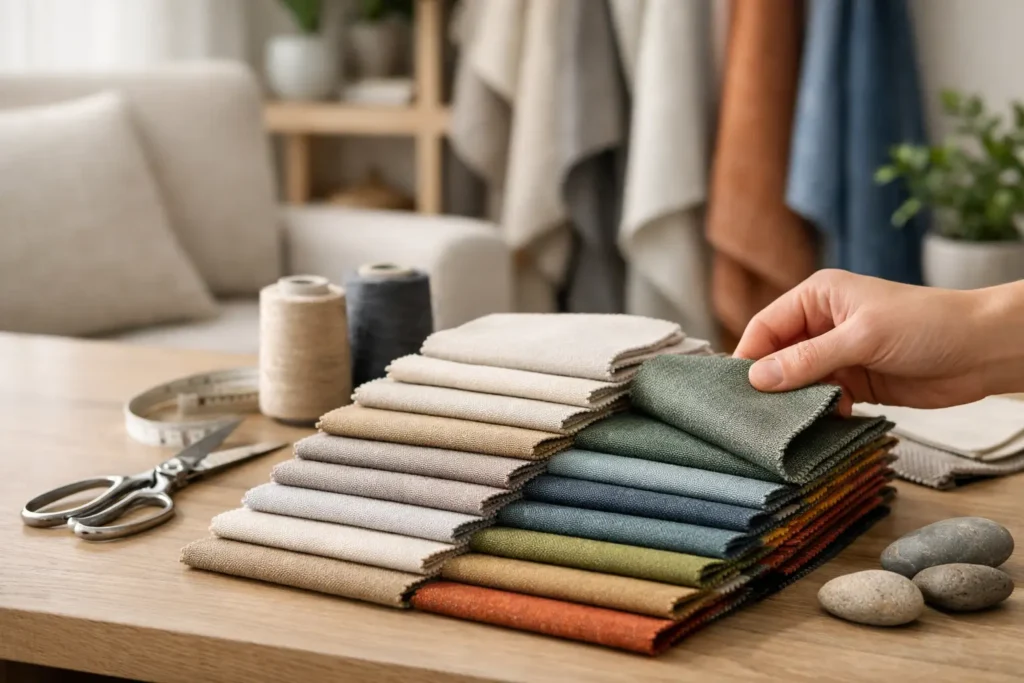
Color also behaves differently depending on the material. A charcoal fabric may read soft and matte in one weave, then look sharper or cooler in vinyl or leather. Samples should be viewed in the actual space whenever possible, especially if the room has strong natural light or the item sits near windows.
This is especially important in Colorado, where sun exposure can be intense. A color that looks rich indoors may fade unevenly if the material is not suited for UV exposure. South-facing rooms, sunrooms, and vehicles parked outdoors deserve extra care when materials are selected.
Texture changes both the appearance and the wear
Texture adds character, but it also changes how the piece performs. Smooth fabrics tend to be easier to clean and can suit modern interiors, commercial settings, and vehicle applications. Heavier textures can create a warmer, more layered look, but they may show pressure marks, hold dust, or wear differently on corners and seat fronts.
This is one of those areas where trade-offs are real. A nubby woven fabric may look excellent on an occasional chair that sees light use. The same fabric may frustrate you on a main sofa used every day.
How to choose upholstery fabric with a realistic budget
Budget should be part of the decision, but the cheapest fabric is rarely the lowest-cost option over time. If a material wears out quickly, fades early, or proves difficult to maintain, you may end up redoing the project sooner than expected.
A better approach is to match the investment to the value of the piece and the demands of its use. A quality frame, heirloom chair, custom booth, or specialty vehicle interior often justifies a stronger material choice. For lighter-use projects, there may be room to prioritize appearance without overbuilding the fabric selection.
This is where working with an experienced upholstery shop helps. Material selection is not just about the bolt of fabric. It is about how that fabric will perform when cut, sewn, stretched, and installed on a specific piece.
Why professional guidance makes a difference
Fabric books and online swatches can only tell you so much. The same material can perform differently depending on cushion shape, seam placement, foam condition, and where the item will live. A professional can help narrow options based on actual use, not guesswork.
At Rocky Mountain Upholstery, that kind of guidance matters because projects range from residential furniture to automotive, marine, RV, aviation, outdoor, and commercial work. Each one calls for material choices that fit the structure, environment, and expected wear.
If you are deciding how to choose upholstery fabric, start with the piece itself, how it is used, and what you want it to do for the next several years – not just how you want it to look this week. The right fabric should earn its place every day after the project leaves the shop.