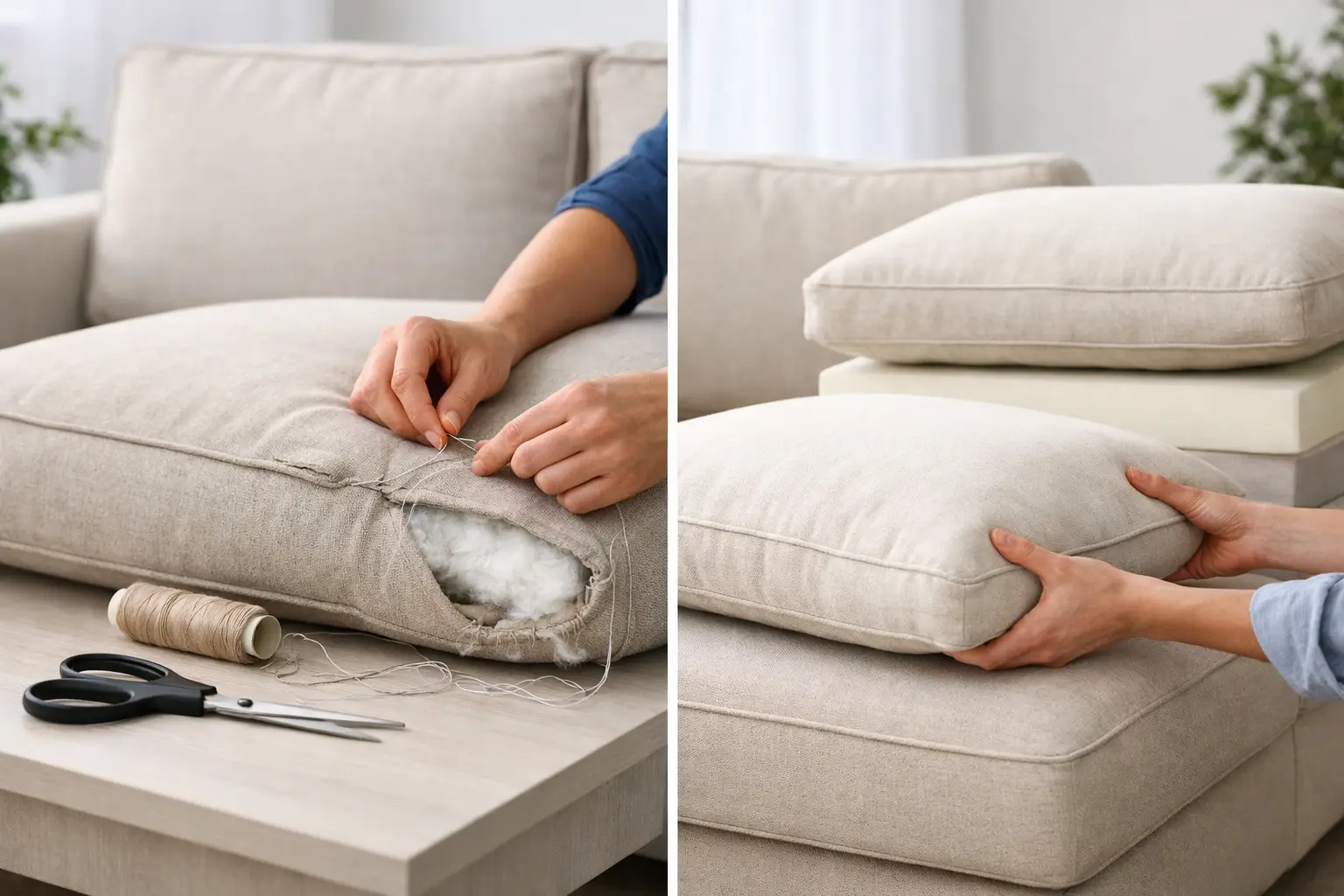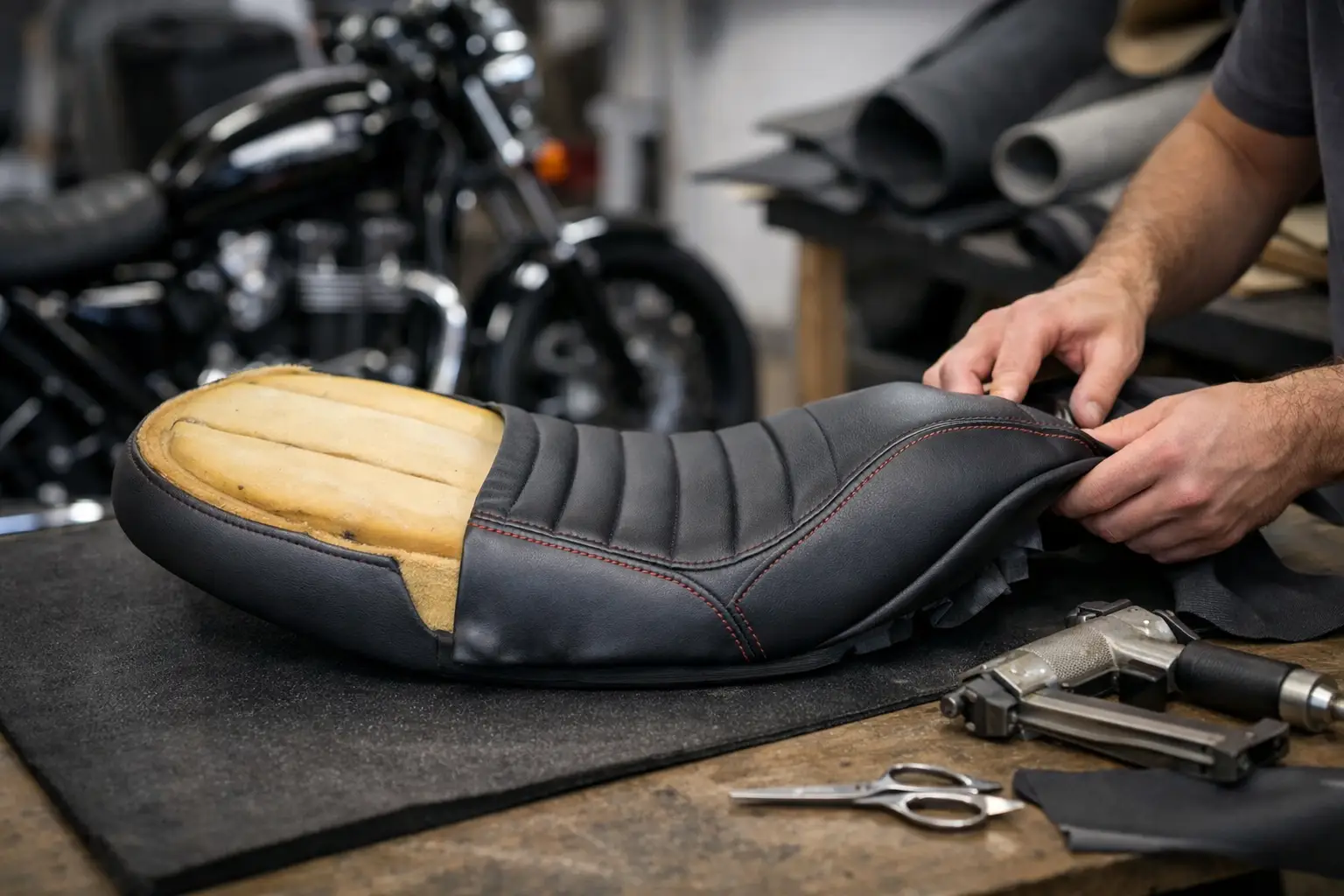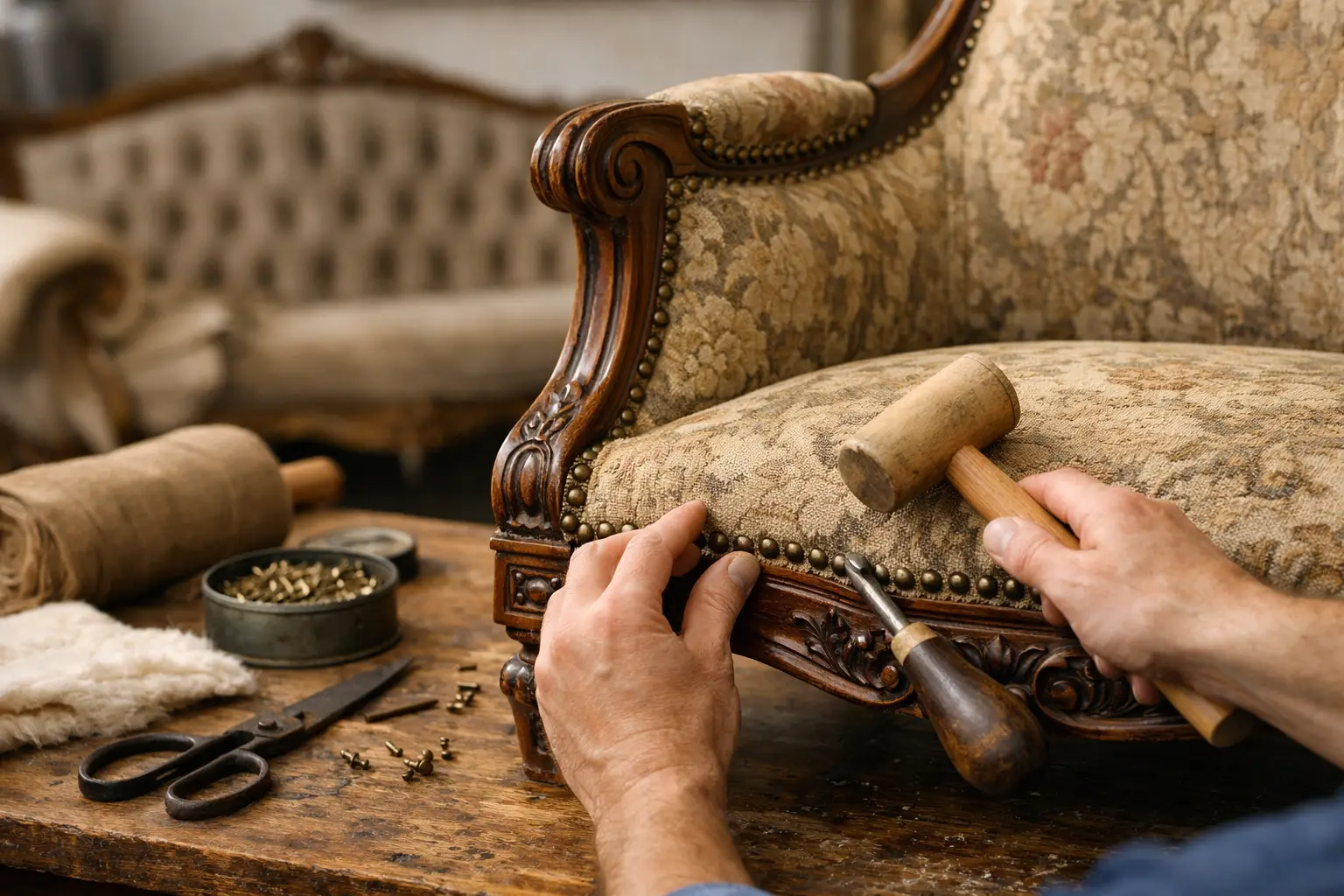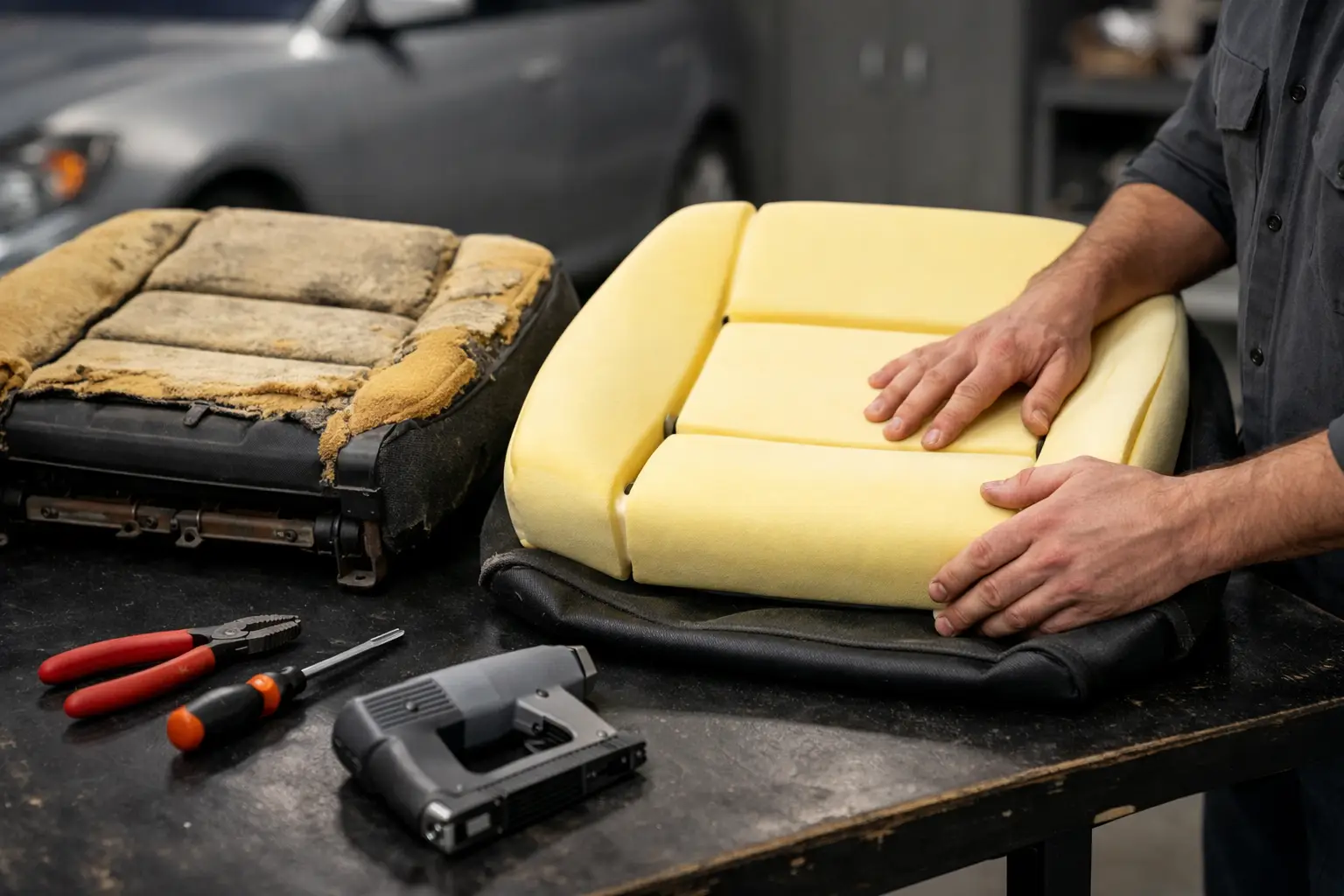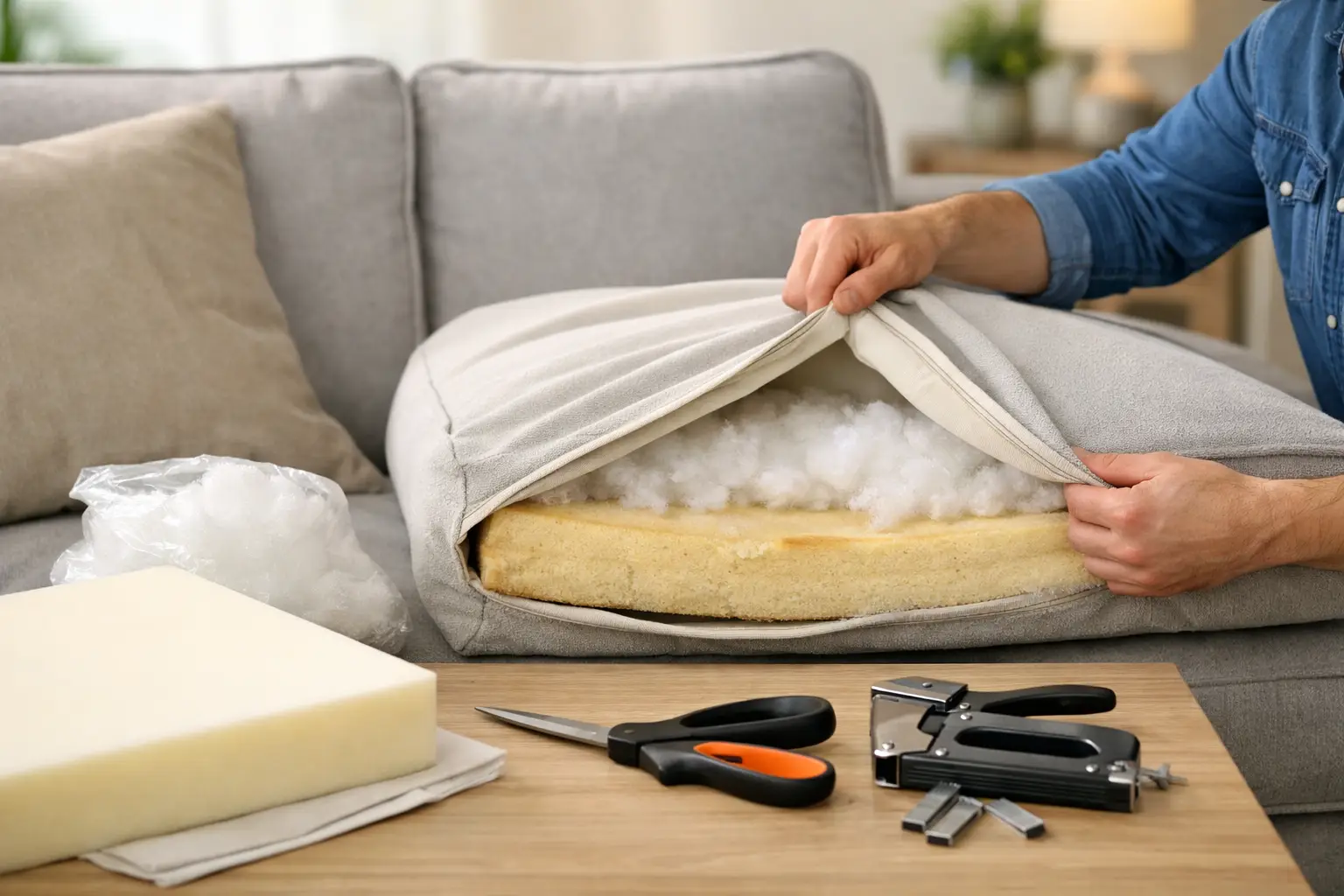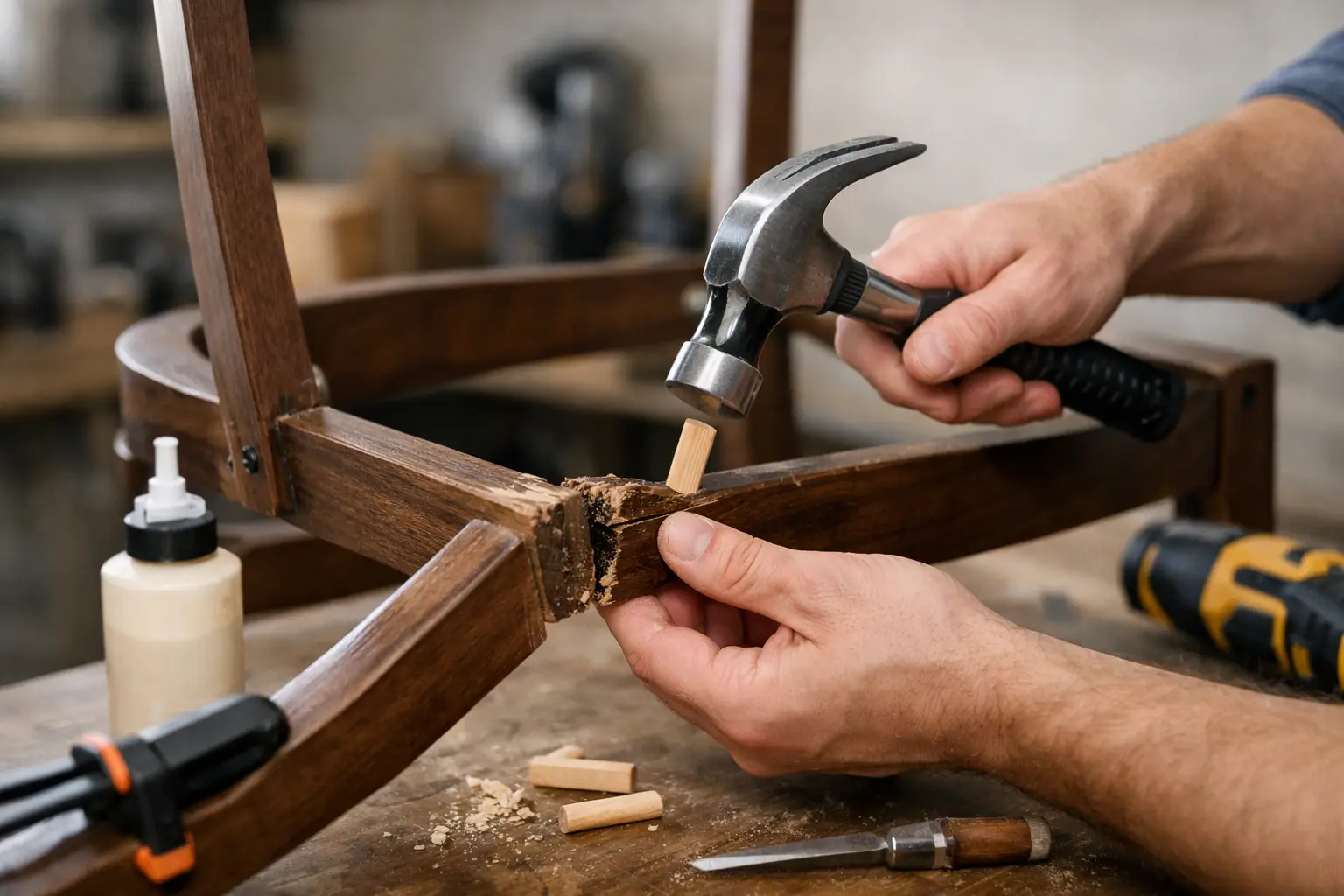

A chair with a loose leg might be a quick shop repair. A sofa with broken springs, collapsed foam, and torn upholstery is a different project entirely. That is why people asking how much does furniture repair cost usually need more than one number – they need to know what is being repaired, what condition the piece is in, and whether the frame underneath is still worth saving.
Furniture repair pricing varies because the work itself varies. Some jobs involve tightening joints and reinforcing a frame. Others require disassembly, new support systems, foam replacement, fabric installation, stain touch-up, or structural rebuilding. The most accurate estimates come from seeing the piece in person, but there are still reliable ways to understand the range before you schedule a consultation.
How much does furniture repair cost for common jobs?
For basic furniture repair, many homeowners can expect smaller jobs to start around $75 to $250. That might include regluing a dining chair, tightening a wobble, repairing a minor split, or replacing simple hardware. These are usually labor-focused repairs with minimal material cost.
Mid-range repairs often fall between $250 and $800. This is where you see more involved work, such as rebuilding chair joints, repairing a broken recliner mechanism, replacing webbing, addressing spring issues, or restoring function to a well-built piece that has real structural wear. Labor rises quickly when a technician needs to take the piece apart, correct hidden damage, and reassemble it properly.
Larger or more specialized repairs can run from $800 to $2,500 or more, especially when upholstery and structural work overlap. A sofa with a damaged frame, worn cushions, and failing seat support may need new foam, spring repair, internal reinforcement, and partial or full reupholstery. In those cases, you are no longer paying for a single repair – you are paying for restoration work that extends the life of the piece.
Antique furniture, custom-built pieces, and commercial seating can land even higher depending on materials, finish matching, and the amount of handwork required. When repair has to preserve original styling, stitching, trim details, or carved wood elements, the labor is more precise and the timeline is longer.
What affects furniture repair cost the most?
The biggest factor is the scope of work. A cosmetic issue and a structural issue may look similar at first glance, but they are priced very differently. A crack that can be stabilized from the outside is simpler than a joint failure that requires stripping down the frame.
Materials also matter. If a cushion needs new foam, the density and grade affect cost. If upholstery fabric must be replaced, the total depends on the fabric chosen, pattern matching, yardage, and whether specialty materials like vinyl, leather, marine-grade products, or commercial textiles are involved. Hardware, springs, recliner mechanisms, and replacement parts can also change the number quickly.
Construction quality is another major variable. Well-made furniture is often more repairable, but it can also require more skilled labor to restore correctly. Cheaper mass-produced pieces may be faster to work on in some cases, but they are not always worth repairing if particle board is failing or attachment points are stripped beyond a dependable fix.
Access and disassembly can add time as well. Tight upholstery, tufting, decorative trim, attached backs, and hidden fasteners all increase labor. A simple bench seat is very different from a fully upholstered sectional with multiple broken internal components.
Labor and craftsmanship are a real part of the price
Furniture repair is not just parts replacement. A quality repair often involves diagnosis, careful teardown, rebuilding, fitting, and finishing. Matching shape, support, and appearance takes experience. If the goal is a repair that holds up under daily use, the workmanship matters as much as the visible result.
That is especially true for heirloom furniture, high-end seating, and commercial pieces that need to return to service. A lower estimate is not always a better value if the repair is temporary or incomplete.
Cost by furniture type
Dining chairs are often among the most affordable repairs if the problem is limited to loose joints, broken stretchers, or worn seat padding. A simple structural chair repair may stay in the low hundreds, while a full seat rebuild and recover can move higher depending on materials.
Sofas and loveseats tend to cost more because there is more material, more labor, and more internal structure. Frame repairs, spring replacement, sagging seat correction, and cushion rebuilding all require time. If upholstery is involved, labor and fabric can push the project into a much higher range.
Recliners are their own category. Some need mechanism repair or replacement, while others have frame issues, foam breakdown, or worn upholstery. Because recliners combine moving parts with upholstered construction, pricing depends on whether the issue is mechanical, structural, cosmetic, or all three.
Antique and wood furniture can range widely. A minor veneer repair or leg regluing may be modest, but finish restoration, carving repair, and historical preservation work take more specialized hands. Matching the original look matters, and that precision carries cost.
Commercial furniture is usually priced by durability requirements, quantity, and use conditions. Restaurant booths, office seating, waiting room chairs, and theater seating often need stronger materials and efficient turnaround. The per-piece number may vary, but commercial clients are often evaluating life-cycle value rather than the lowest immediate price.
Repair vs. reupholstery vs. full restoration
One reason customers struggle to price a job is that the word repair gets used for very different services. If a frame is solid and only one area is damaged, repair may be straightforward. If the frame is sound but the fabric, foam, and support layers are worn out, reupholstery may be the right path.
Full restoration is broader. It can include structural reinforcement, new padding, spring work, foam replacement, fabric installation, finish touch-up, and custom rebuilding. That costs more, but it also returns a quality piece to everyday use rather than patching one isolated issue.
This distinction matters when comparing estimates. One shop may price a limited repair that solves the immediate problem. Another may recommend more extensive work because they can see failure in surrounding components. Neither approach is automatically wrong. The better option depends on the age of the piece, how often it is used, and whether you want a short-term fix or a longer service life.
When furniture repair is worth the cost
Repair makes the most sense when the furniture has solid construction, sentimental value, custom sizing, or a style you cannot easily replace. Many older frames are built better than newer retail furniture, even if the outside looks tired. In those cases, investing in repair or restoration can be more practical than buying something new of lesser quality.
It is also worth considering when the piece fits a room perfectly or has specialized use. Banquettes, built-in cushions, RV seating, boat interiors, motorcycle seats, and custom commercial seating are not simple off-the-shelf replacements. A skilled repair can preserve fit and function while improving comfort and appearance.
Replacement may be the better route when the furniture has widespread material failure, weak construction, and low replacement cost. If multiple structural elements are compromised and the base quality was poor to begin with, repair may not deliver long-term value.
How to get an accurate estimate
Photos help, but they only tell part of the story. Surface wear is easy to see. Broken springs, loose joints, internal frame damage, and deteriorated padding are often hidden until the piece is inspected. That is why estimates may shift after a closer look.
It helps to provide the furniture type, dimensions, age if known, and a clear description of the issue. Mention whether the goal is basic function, cosmetic improvement, or full restoration. If there is sentimental or historical value, say that up front. The right estimate depends on the outcome you want, not just the damage you can see.
For homeowners and businesses in Colorado Springs, working with a full-service shop matters when a project goes beyond surface upholstery. Rocky Mountain Upholstery handles structural repair, foam and fabric replacement, and custom restoration across residential, commercial, and specialty interiors, which is often what these more involved projects actually require.
A realistic way to think about cost
If you are asking how much does furniture repair cost, the practical answer is this: minor repairs may be relatively modest, but anything involving structure, support, padding, or upholstery should be evaluated as skilled custom work. The price reflects labor, materials, and whether the finished piece will truly hold up.
A good repair does more than make furniture look better for a few weeks. It restores stability, comfort, and usable life. If the piece has quality, purpose, or personal value, an honest estimate can tell you whether repair is the smarter investment.