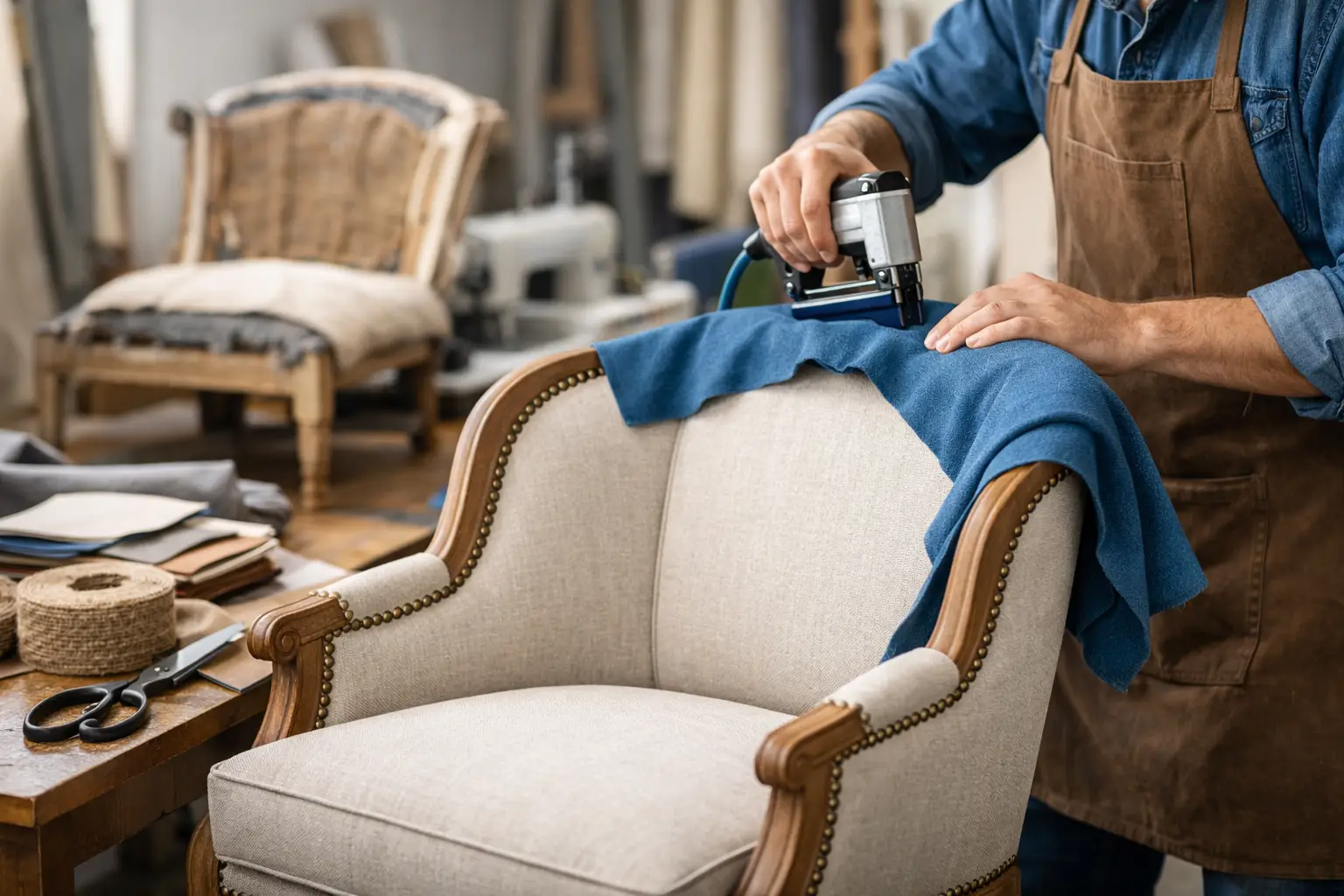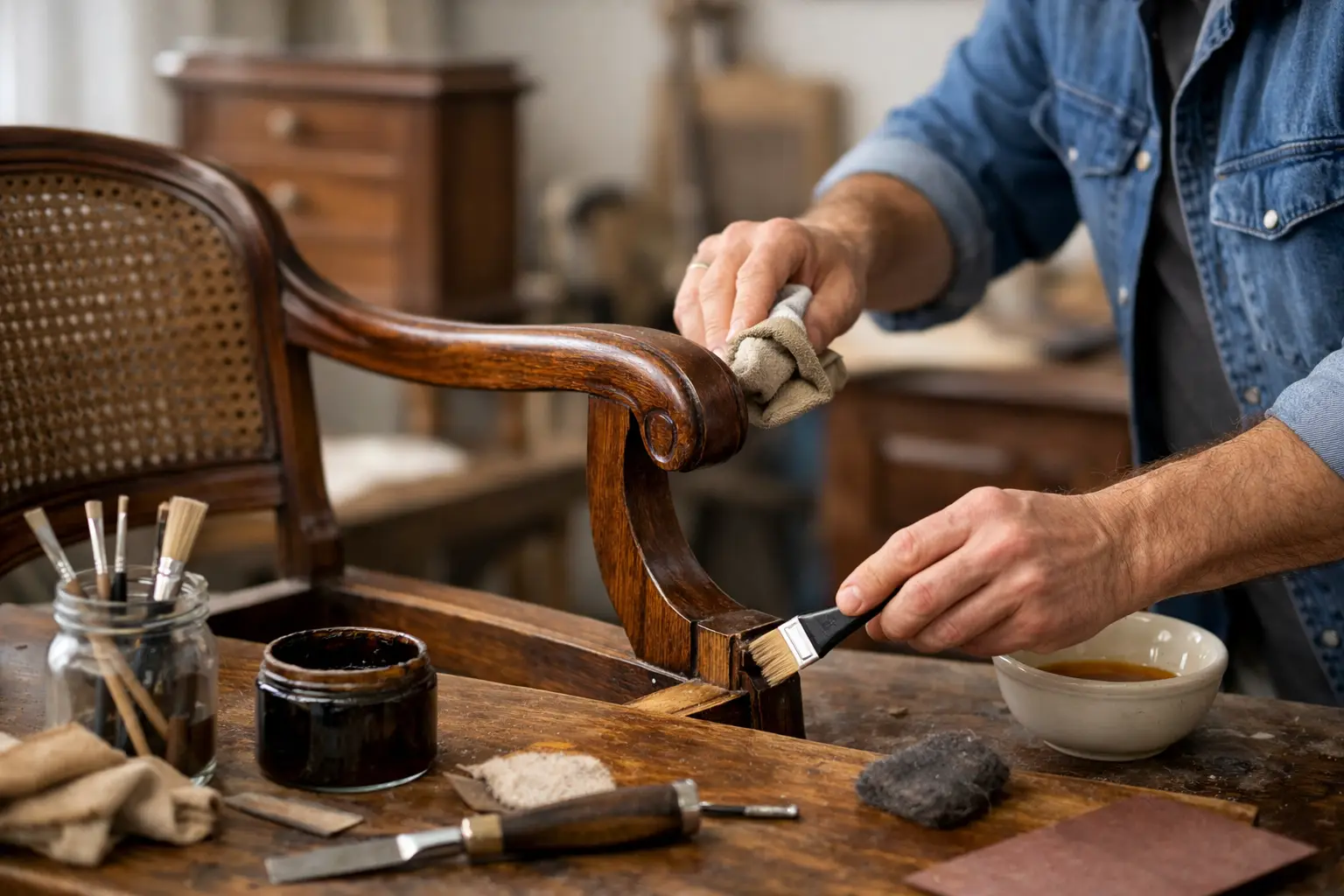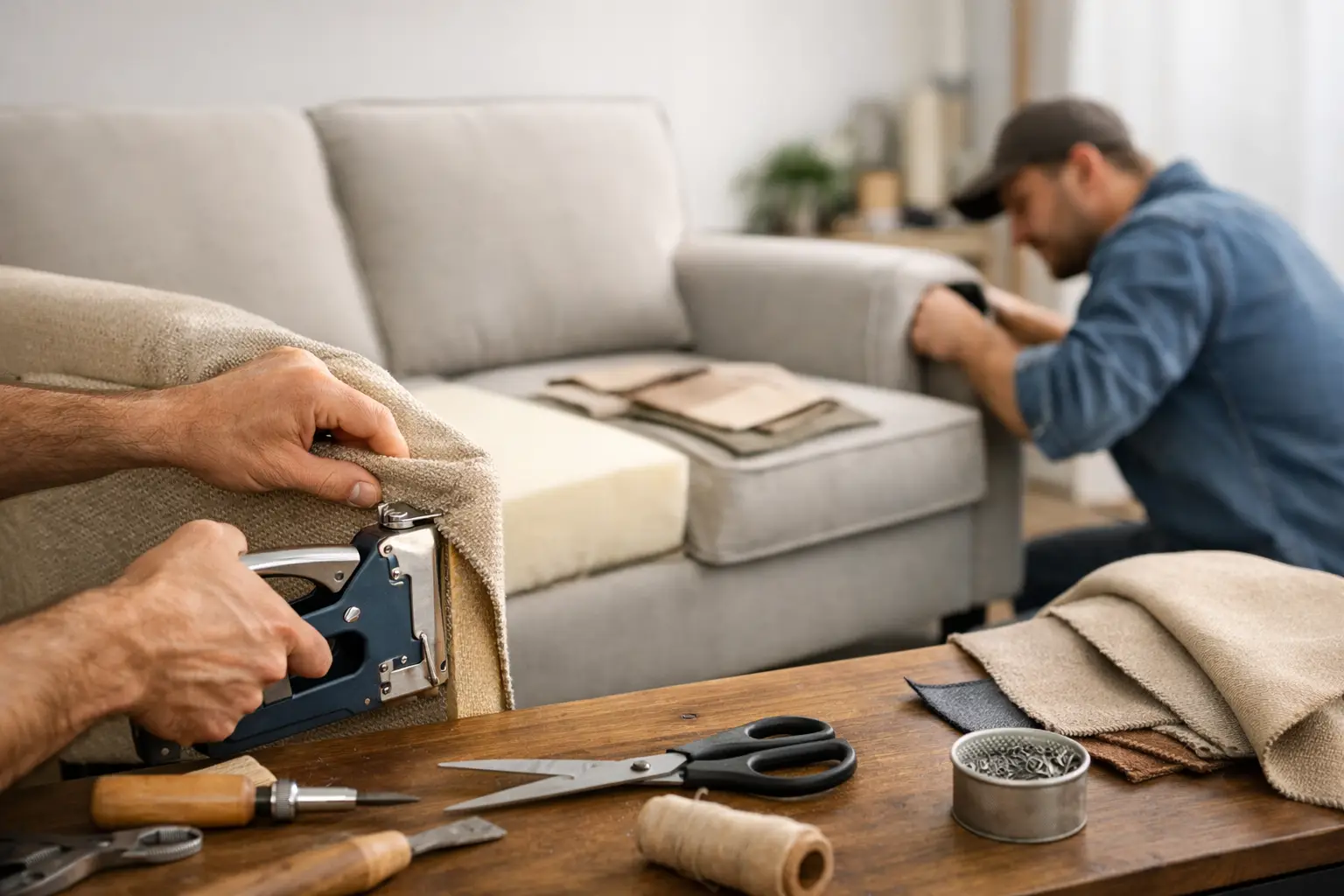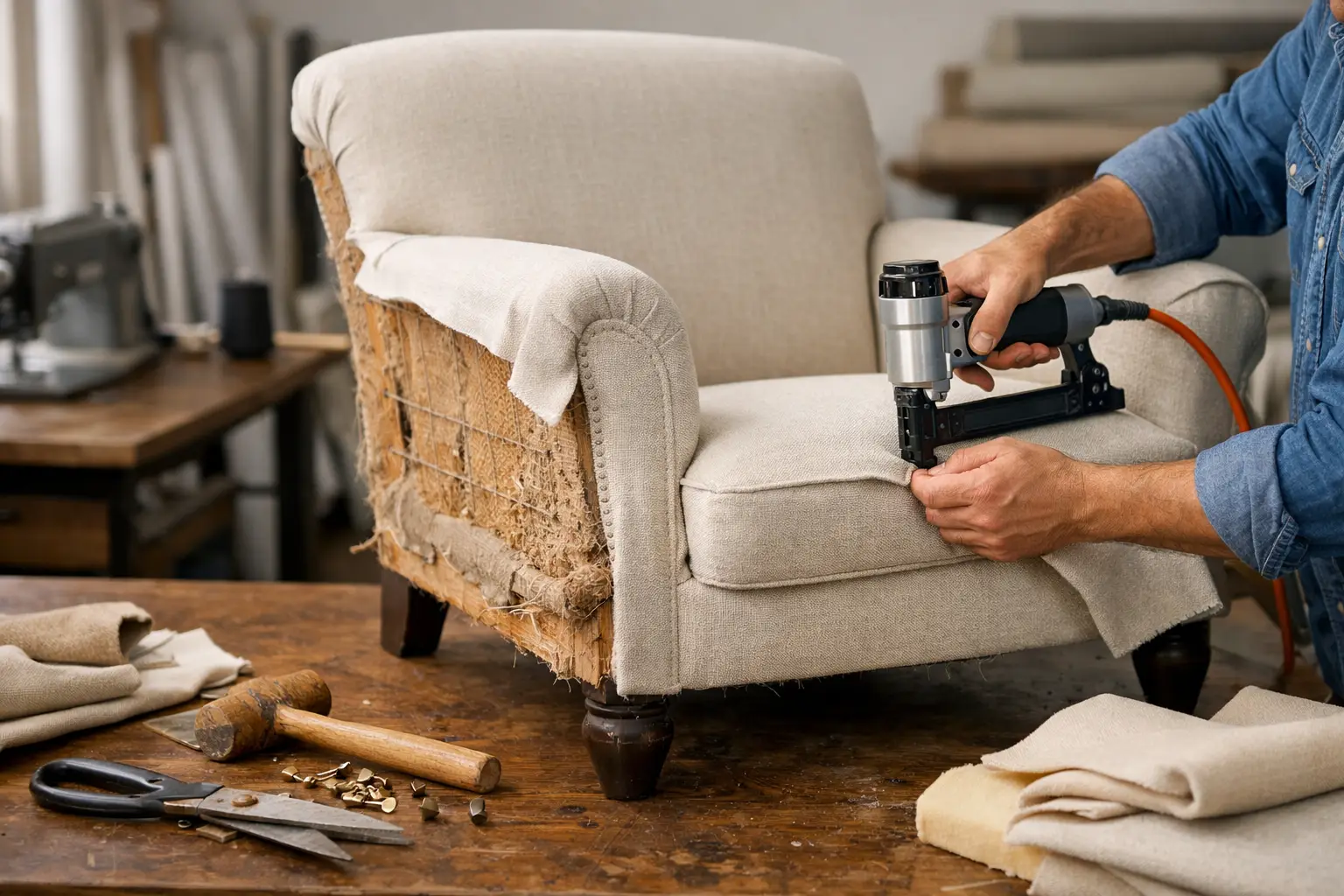
A loose chair joint, flattened seat cushion, or torn fabric does not always mean a piece is finished. In many cases, furniture restoration and repair is the smarter choice – especially when the frame is solid, the piece has sentimental value, or replacement furniture would not match the quality you already own.
For homeowners, that might mean saving a well-built sofa, restoring a family dining chair set, or updating an older armchair that still fits the room perfectly. For businesses, it often means extending the life of lobby seating, restaurant booths, waiting room chairs, or auditorium seating without the cost and disruption of full replacement. The key is knowing what can be repaired, what should be rebuilt, and when reupholstery adds real value.
What furniture restoration and repair actually includes
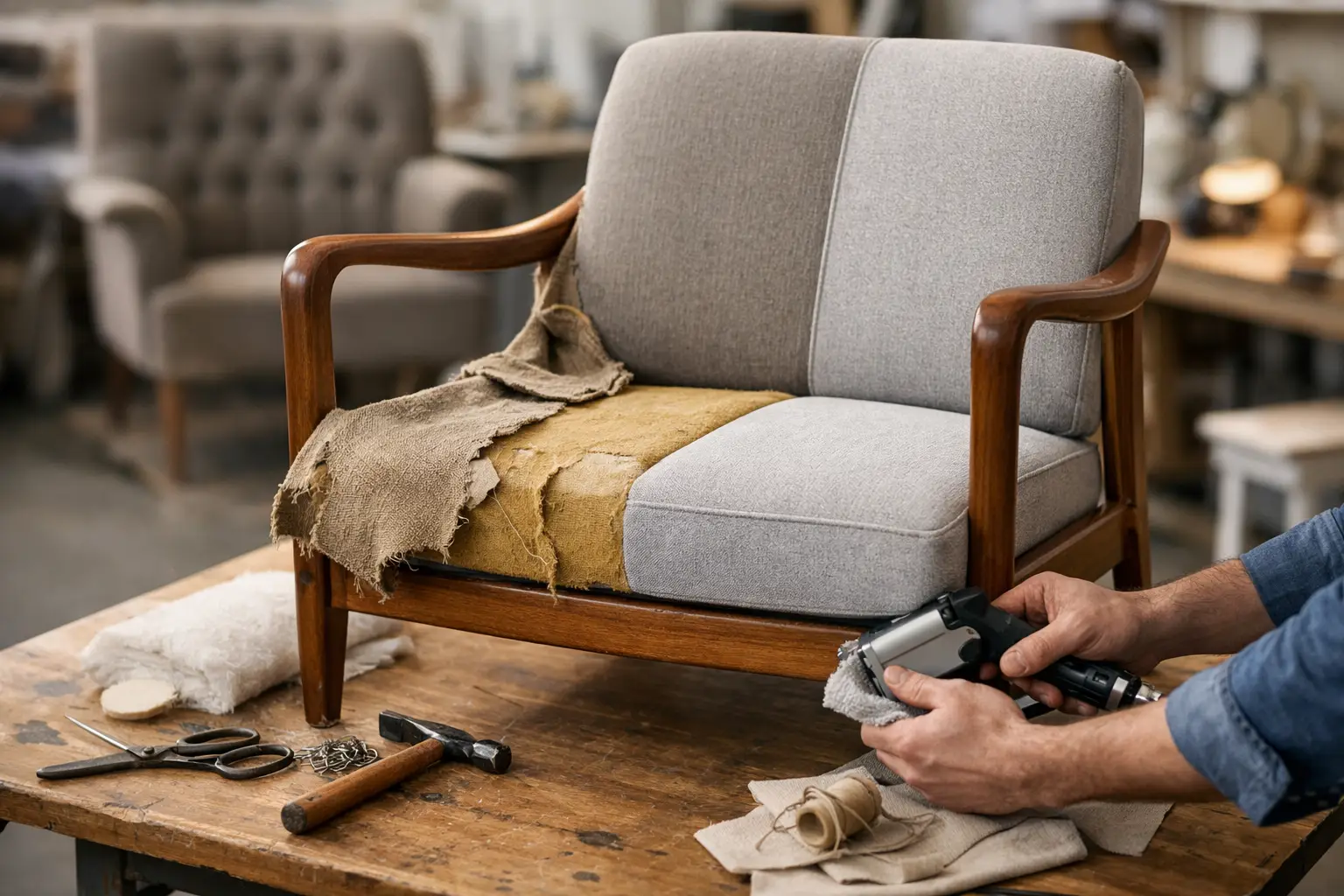
Many people use restoration, repair, and reupholstery as if they mean the same thing, but they solve different problems. Repair usually addresses a specific issue such as broken springs, damaged joints, torn panels, sagging seats, or worn foam. Restoration goes further. It can involve structural work, replacement materials, refinishing support components, and rebuilding a piece so it looks and performs more like it should.
Reupholstery is often part of that process, but fabric alone is rarely the whole job. If a sofa looks tired, the visible upholstery may only be one layer of the problem. Underneath, there may be compressed foam, stretched webbing, weakened springs, cracked support rails, or loose corner blocks. A proper evaluation looks below the surface before new material is selected.
That matters because cosmetic updates only last when the structure underneath is sound. A beautiful new fabric applied over failing support materials will not hold up the way clients expect.
When restoration makes more sense than replacement
Not every piece is worth saving, but many are. Older furniture often has stronger frames, better hardwood construction, and more repairable joinery than lower-cost mass-produced replacements. If the frame is solid or can be rebuilt, restoration can deliver better long-term value than buying new furniture that may wear out faster.
This is especially true for heirloom pieces, custom furniture, dining chairs with quality frames, and sofas that have good bones but worn surfaces. It also applies when sizing matters. Built-in seating, oversized cushions, RV seating, marine cushions, and commercial booths do not always have easy off-the-shelf replacements. In those cases, custom repair and upholstery work can be the practical option, not just the sentimental one.
There is also a design factor. Some clients want to preserve the original character of a piece. Others want the opposite – a full update with new foam, new fabric, and changes to comfort or style. Both approaches are valid. The right direction depends on how the furniture will be used and what condition it is in now.
Common problems a professional shop can fix
Most upholstered furniture fails gradually, not all at once. Cushions lose support, seams split, arms soften, and frames start to move. That is why professional repair often involves several layers of work rather than a single patch.
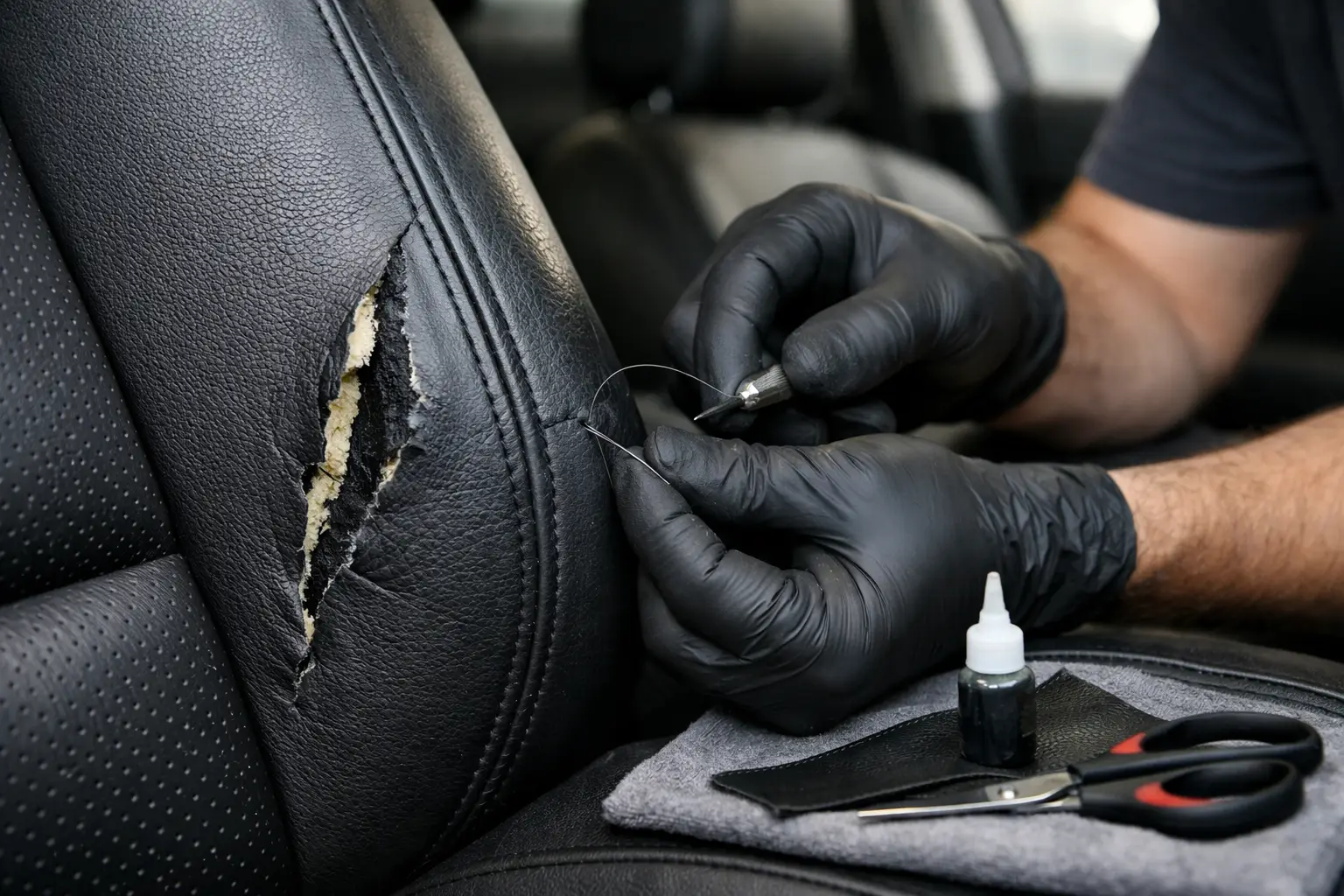
A skilled shop may repair broken or loose frames, rebuild seating systems, replace worn foam, install new batting, repair springs and webbing, replace damaged panels, and recover the piece in a material that fits the way it will be used. For dining chairs, that may be a straightforward seat rebuild and new upholstery. For a large sectional, the work may include structural reinforcement, cushion replacement, and full reupholstery.
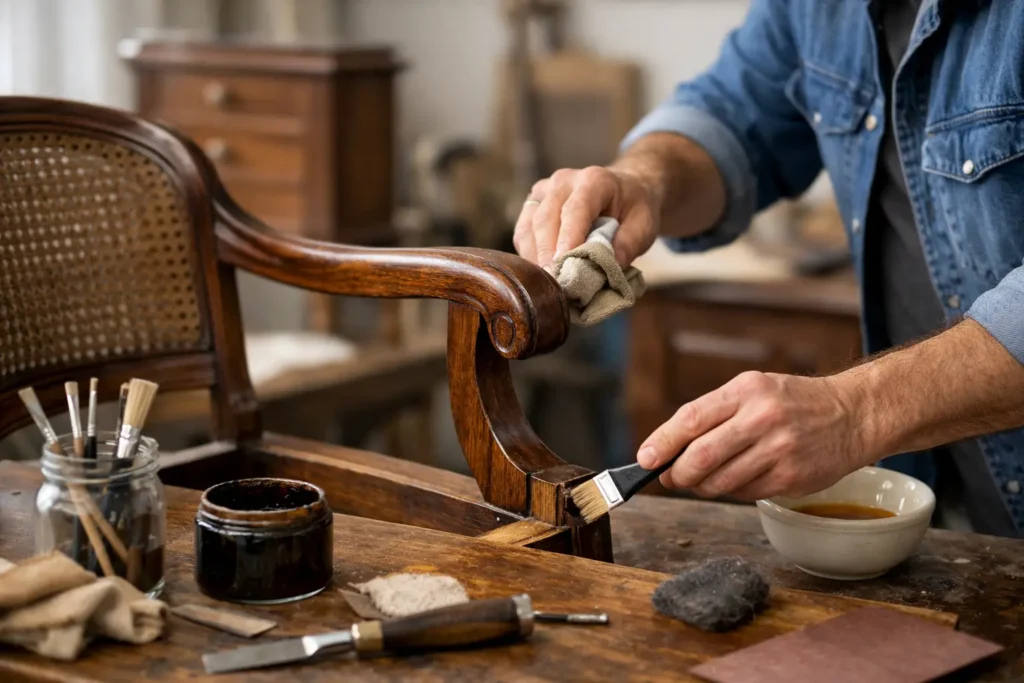
Wood trim, decorative elements, and exposed framework can also affect the scope. Some pieces need only interior upholstery work. Others require careful disassembly and reconstruction so the finished product sits correctly, feels supportive, and holds up under daily use.
Upholstery materials matter as much as the repair
One of the biggest differences between a short-term fix and a lasting result is material selection. Fabric, vinyl, leather, foam density, cushion wrap, and support materials all affect comfort, durability, and appearance.
For residential furniture, comfort and style may lead the conversation, but performance still matters. Homes with kids, pets, or heavy daily use often benefit from more durable, easier-to-clean materials. In commercial settings, durability becomes even more important. Restaurant seating, medical waiting rooms, hotel furniture, and office interiors need materials chosen for repeated use, cleanability, and appearance over time.
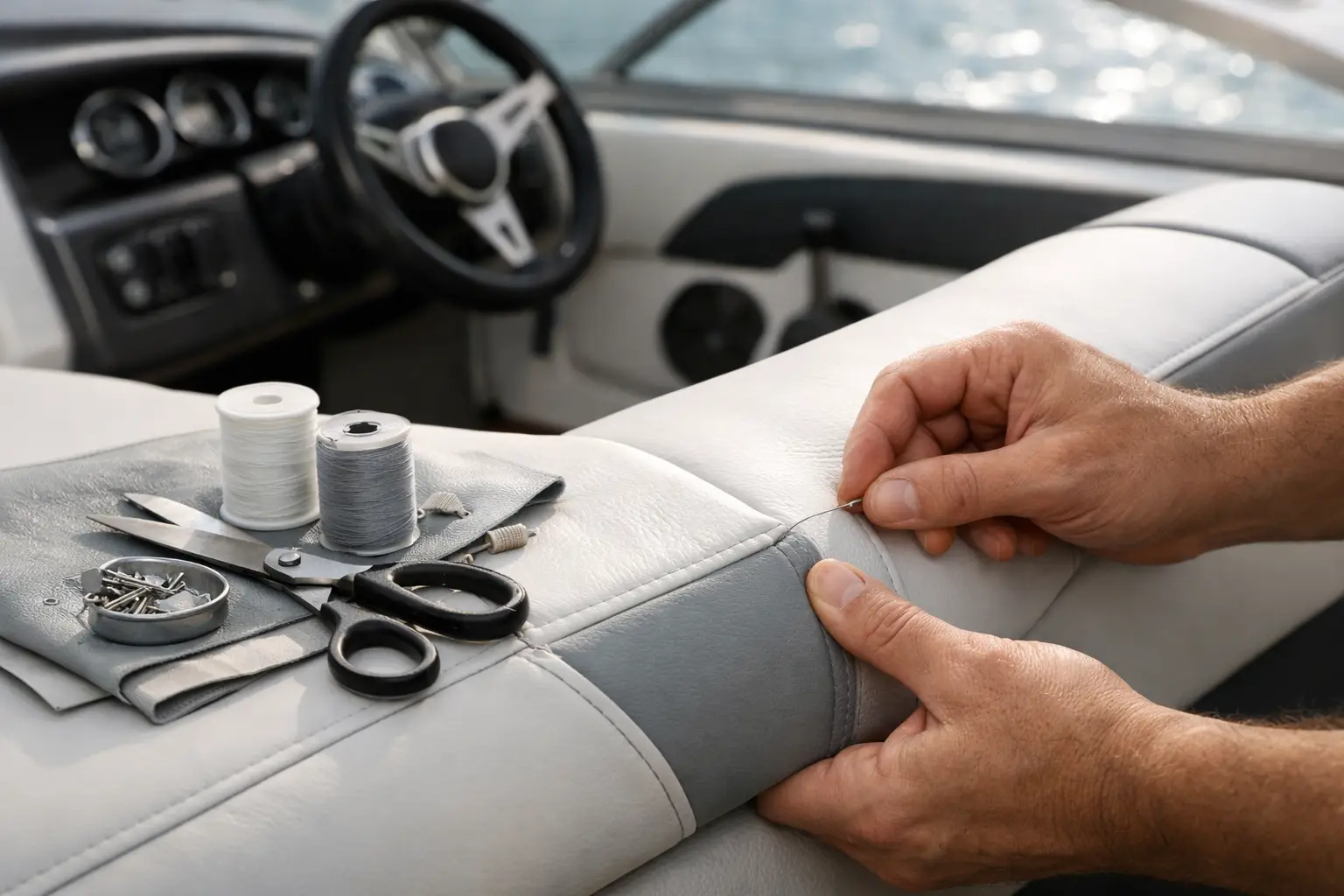
Outdoor, marine, RV, automotive, and aviation applications raise the bar further. Sun exposure, moisture, temperature swings, and constant wear demand materials designed for those conditions. A shop with broad upholstery experience can help match the right material to the right environment rather than treating every job like standard indoor furniture.
Why structural repair should come first
When a piece feels unstable, dips in the middle, or rocks under weight, the problem is often deeper than the cover material. Loose joints, cracked rails, broken tack strips, damaged seat bases, and failed support systems will keep causing trouble until they are corrected.
This is where experienced furniture restoration and repair stands apart from quick cosmetic work. Structural issues have to be addressed first. That may mean regluing and clamping frames, replacing broken wood components, reinforcing corners, rebuilding spring systems, or installing new support layers beneath the upholstery.
Skipping this step can waste money. New fabric may improve the look for a short time, but the piece will continue to feel worn and may fail again sooner than expected. Good repair starts with stability, then comfort, then finish materials.
Residential, commercial, and specialty projects have different needs
A living room sofa and a restaurant booth may both need upholstery work, but the demands are not the same. Residential projects often focus on comfort, style, and preserving a valued piece. Commercial projects have to account for volume, wear patterns, code considerations, cleanability, and a consistent professional appearance across multiple units.
Specialty interiors add another layer. Boat seating, RV cushions, motorcycle seats, car interiors, aircraft panels, and patio furniture all require custom fitting and material choices tied to real-world use. Shapes are more specialized. Mounting methods vary. Exposure conditions are harsher. Precision matters more because many of these pieces are integrated into the vehicle or structure.
That breadth of work is why a full-service shop is often the better fit for clients with mixed needs. A homeowner may need dining chairs repaired now and patio cushions replaced later. A business may need lobby seating restored along with custom bench cushions or booth repairs. Working with a shop that handles multiple categories can simplify the process.
What to expect from the repair process
The first step is determining whether the piece is worth restoring. That depends on frame condition, extent of damage, intended use, and the value of the finished result to the client. Some pieces need targeted repair. Others justify a full rebuild. Occasionally, replacement is still the better answer.
After evaluation, the scope should be clear. That includes what structural work is needed, whether foam or support systems should be replaced, what upholstery options fit the project, and how the finished piece is expected to perform. Clear expectations matter. A lightly used accent chair and a family room sectional do not need the same build strategy.
Good craftsmanship also takes time. Custom repair and upholstery work is hands-on by nature. Patterning, disassembly, rebuild work, sewing, fitting, and finishing each affect the outcome. Rushed work tends to show in uneven lines, poor support, and materials that do not wear as they should.
Choosing repair because the piece still deserves it
Furniture does not have to be antique to be worth saving. Sometimes it is the chair that fits just right. Sometimes it is a commercial seating set that still has years of service left with proper rebuilding. Sometimes it is an inherited piece that deserves more than a temporary patch.
Professional restoration is about more than making furniture look better. It is about preserving function, improving comfort, and extending the life of pieces that still offer value. For clients across Colorado Springs who need dependable upholstery, rebuilding, and custom interior work, Rocky Mountain Upholstery approaches that work the same way it should be approached – by starting with the structure, selecting the right materials, and building for real use.
If a piece still has good bones, there is often more life in it than you think.