A couch usually tells you when it is worth saving. The frame still feels solid, but the fabric is worn. The cushions have lost support, but the size and shape still fit the room. Maybe it is a family piece you do not want to replace, or maybe it is simply better built than most new furniture in the showroom. That is where couch reupholstery and repair becomes the practical option, not just the sentimental one.
When a couch has good bones, professional upholstery work can restore comfort, appearance, and daily function without starting over from scratch. The right repair can address everything from sagging seats and torn seams to broken springs, damaged wood, or outdated fabric. In many cases, the result is a piece that looks cleaner, feels better, and lasts longer than a quick replacement purchase.
When couch reupholstery and repair makes sense
Not every couch is a good candidate for restoration, and that is where experience matters. A quality hardwood frame, well-built joinery, and a shape worth keeping usually point toward repair or reupholstery. Lower-grade furniture with weak framing or extensive structural failure may not justify the investment.
Age by itself is not the deciding factor. Some older sofas are excellent candidates because they were built with stronger frames and better internal support than many mass-produced pieces available today. A newer couch can still need professional work if the fabric is failing early, the cushions have collapsed, or pets, sun exposure, and heavy use have taken a toll.
For many homeowners, the decision comes down to three things: structure, fit, and value. If the couch fits the room, matches the scale of the home, and still has a sound foundation, restoring it often makes more sense than trying to replace it with something comparable. The same thinking applies in commercial settings, where waiting areas, offices, restaurants, and hospitality spaces often need durable seating renewed without replacing every unit.
What can actually be repaired or replaced
A lot more can be corrected than people expect. Upholstery work is not limited to changing fabric. A full-service shop can evaluate the entire piece, inside and out, and address the parts that affect how it looks and how it performs.
Fabric replacement is often the most visible part of the job, but cushion rebuilding can be just as important. If a couch feels flat, uneven, or uncomfortable, the foam may need replacement or reshaping. In some cases, the cushion wrap or insert can be rebuilt while preserving the overall style of the original piece.
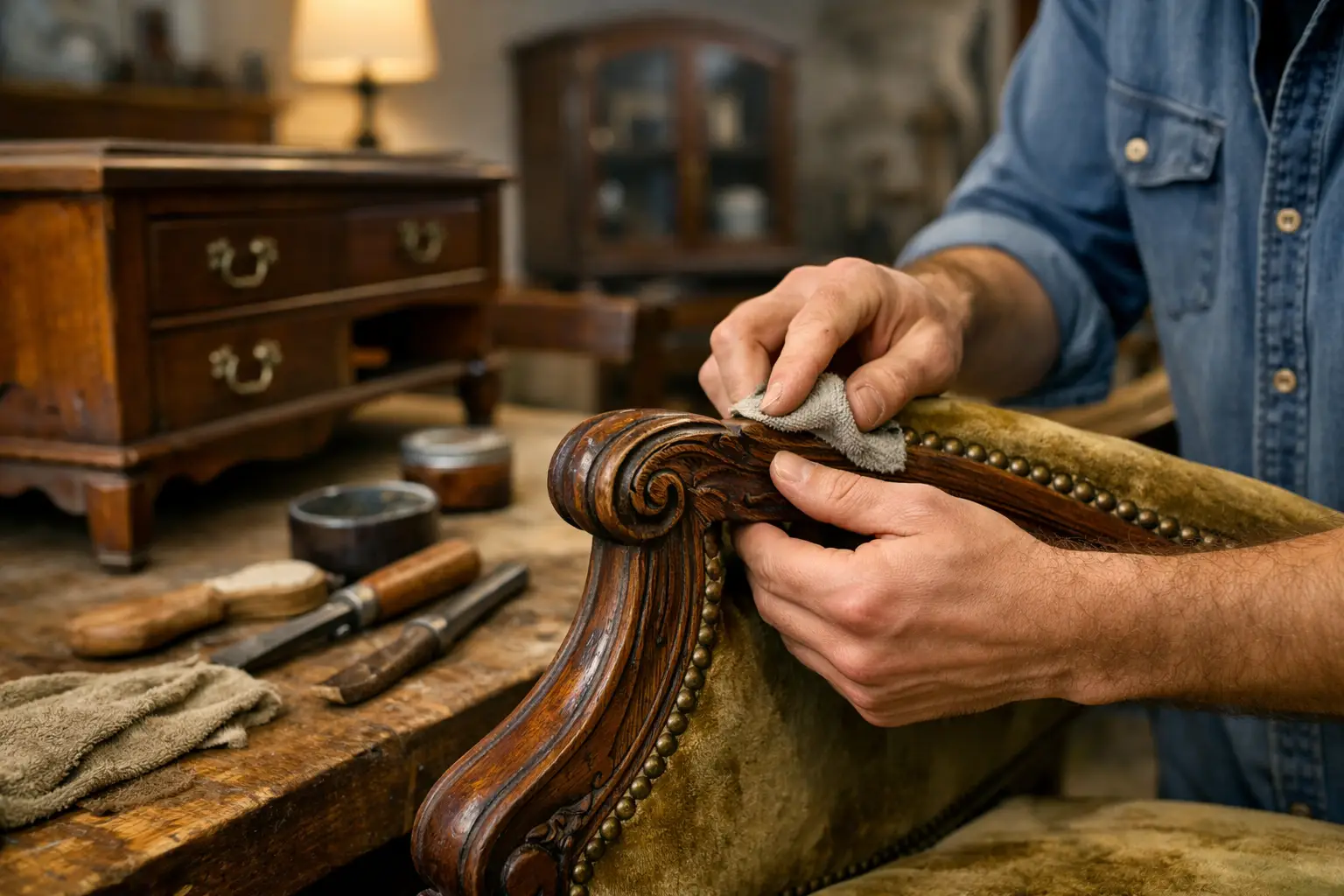
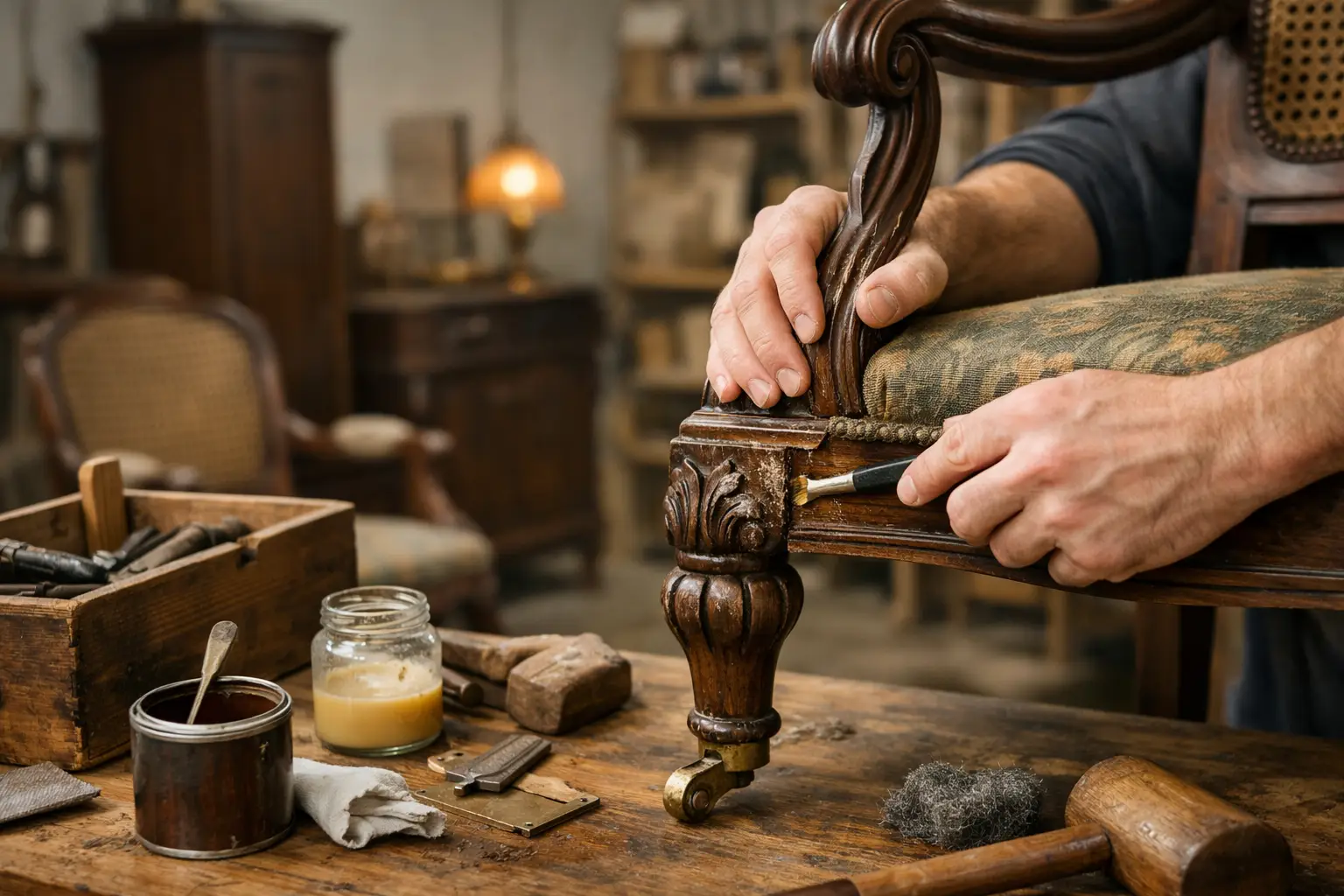
Spring and webbing repair can restore support when seats start sagging. Loose joints, cracked frame members, and weakened arms can also be repaired if the underlying structure is worth saving. Seam failures, torn panels, damaged trim, and worn decking are common upholstery issues that can be corrected during the process.
For homes with pets, kids, or high daily use, material selection matters as much as the repair itself. A couch may need a more durable fabric, a different cushion density, or construction updates that improve performance over time. In commercial applications, the goal is often durability first, with materials selected for traffic, cleanability, and long-term wear.
Reupholstery versus buying new
This is where trade-offs matter. Reupholstery is not always the cheaper option upfront, especially if the piece needs structural repair, new foam, and premium fabric. But replacement is not always the better value either.
A well-made couch that is reupholstered correctly can continue serving for many years. That is especially true when the frame is solid and the customer wants a specific fabric, finish, or comfort level that is hard to find off the shelf. Reupholstery also gives more control. You are not limited to what happens to be in stock, and you are not forced to compromise on size, seat feel, or style.
Buying new may make sense if the existing couch was low quality to begin with, has widespread structural issues, or no longer fits the space or intended use. But when the goal is to preserve a better-built piece, update the look, or restore a couch with sentimental or design value, reupholstery is often the more practical long-term decision.
What to expect from the couch reupholstery and repair process
A proper upholstery project starts with evaluation. The condition of the frame, springs, cushions, decking, arms, back, and fabric all need to be considered together. What looks like a simple fabric issue may also involve internal wear that affects comfort and support.
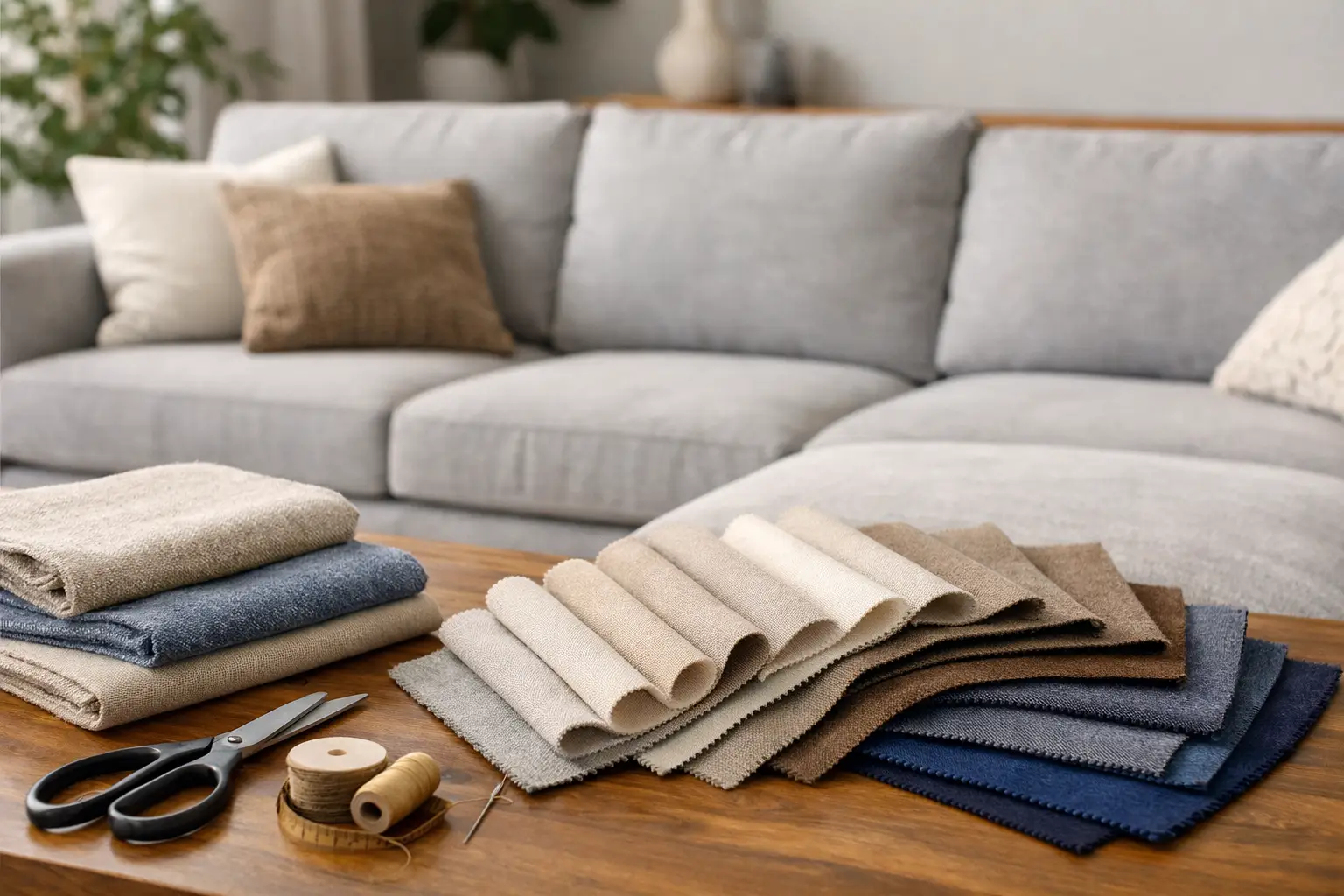
Once the scope is clear, material selection becomes the next step. This is where professional guidance helps. Fabric needs to match the way the couch is used. A formal sitting room has different demands than a family room, rental property, office lobby, or restaurant seating area. Durability, cleanability, texture, color, and pattern all play a role.
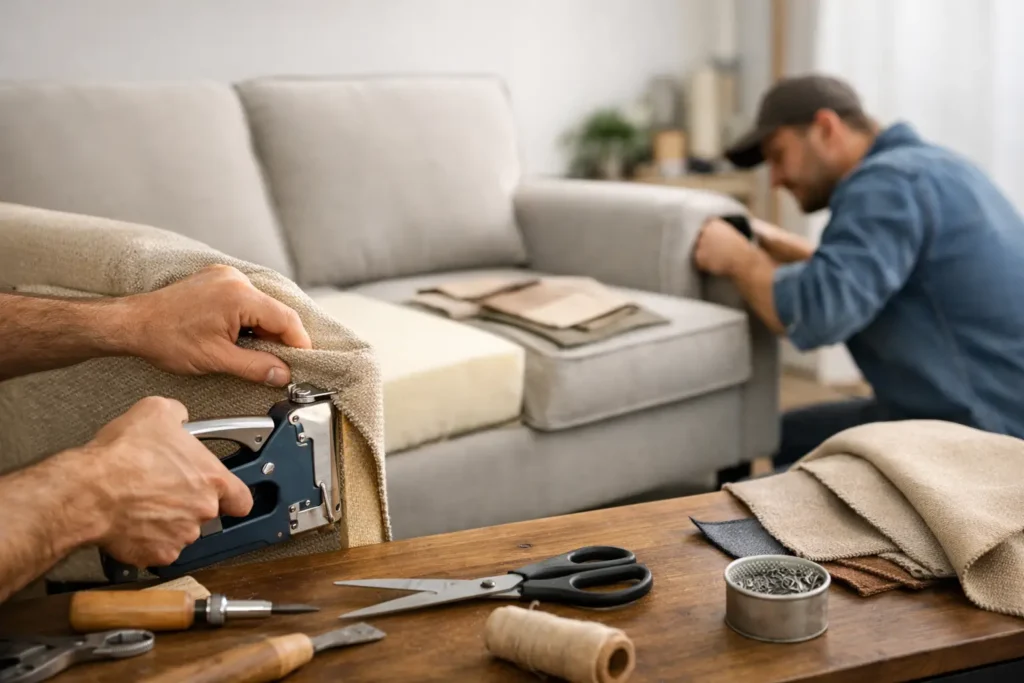
Then the couch is stripped down so internal components can be inspected and repaired as needed. Worn foam can be replaced, broken support systems can be rebuilt, and damaged frame sections can be restored. After that, the new upholstery is cut, fitted, and installed to match the piece correctly.
The quality difference usually shows in the details. Straight lines, smooth panels, properly fitted cushions, reinforced seams, and balanced support all affect the finished result. Good upholstery work is not just about making a couch look new. It is about rebuilding it so it performs the way it should.
Choosing materials that match real use
Fabric selection should never be based on appearance alone. A couch in a busy household needs something different than a decorative sofa in a low-traffic room. Performance fabrics can be a strong choice when stain resistance and durability matter. Textured weaves may hide wear better, while smooth finishes can offer a more tailored appearance but may show marks sooner.
Foam matters too. Softer is not always better, and firmer is not always more durable. Cushion construction should support how the couch is used and who uses it. Families often want a balance of comfort and resilience. Commercial customers may prioritize shape retention and long-term performance under repeated use.
If the couch is near windows or in a sun-exposed space, fading resistance should be part of the conversation. If pets are part of the household, fabric pull resistance and ease of cleaning become more important. The best material choice depends on use, not just style.
Residential, commercial, and specialty upholstery needs
The principles behind couch restoration apply across many types of seating, but the demands can vary. In a home, the focus may be comfort, design, and preserving a meaningful piece. In a commercial setting, the priority is often heavy-duty performance, consistent appearance, and keeping furnishings serviceable longer.
That broader understanding matters when working with an upholstery shop that handles more than one category of work. A shop experienced in residential furniture, restaurant seating, office interiors, RV cushions, marine seating, and custom vehicle upholstery sees wear patterns, material demands, and repair methods from multiple angles. That experience can improve recommendations on durability, support, and finish details.
For customers in Colorado Springs looking for that kind of broad capability, Rocky Mountain Upholstery works across furniture, commercial seating, and specialty interior applications, which is often valuable when a project involves more than a simple fabric update.
Signs it is time to have your couch evaluated
Some problems are obvious, like torn upholstery, flattened cushions, or visible frame damage. Others are easier to overlook. If the couch leans, creaks, sags in one section, or feels uneven from seat to seat, the issue may be internal. Loose arms, shifting backs, and recurring seam failures also point to wear that should be addressed before it gets worse.
Even cosmetic wear can be a sign to act sooner rather than later. Once fabric breaks down, the padding beneath it can wear faster. Small structural issues can also spread with daily use. A timely repair usually preserves more of the original piece and keeps restoration options open.
The best next step is simple. If your couch still has structural value but no longer looks or feels the way it should, have it looked at by a professional shop that can assess the full condition of the piece, recommend the right level of work, and rebuild it with materials suited to how you actually live with it.