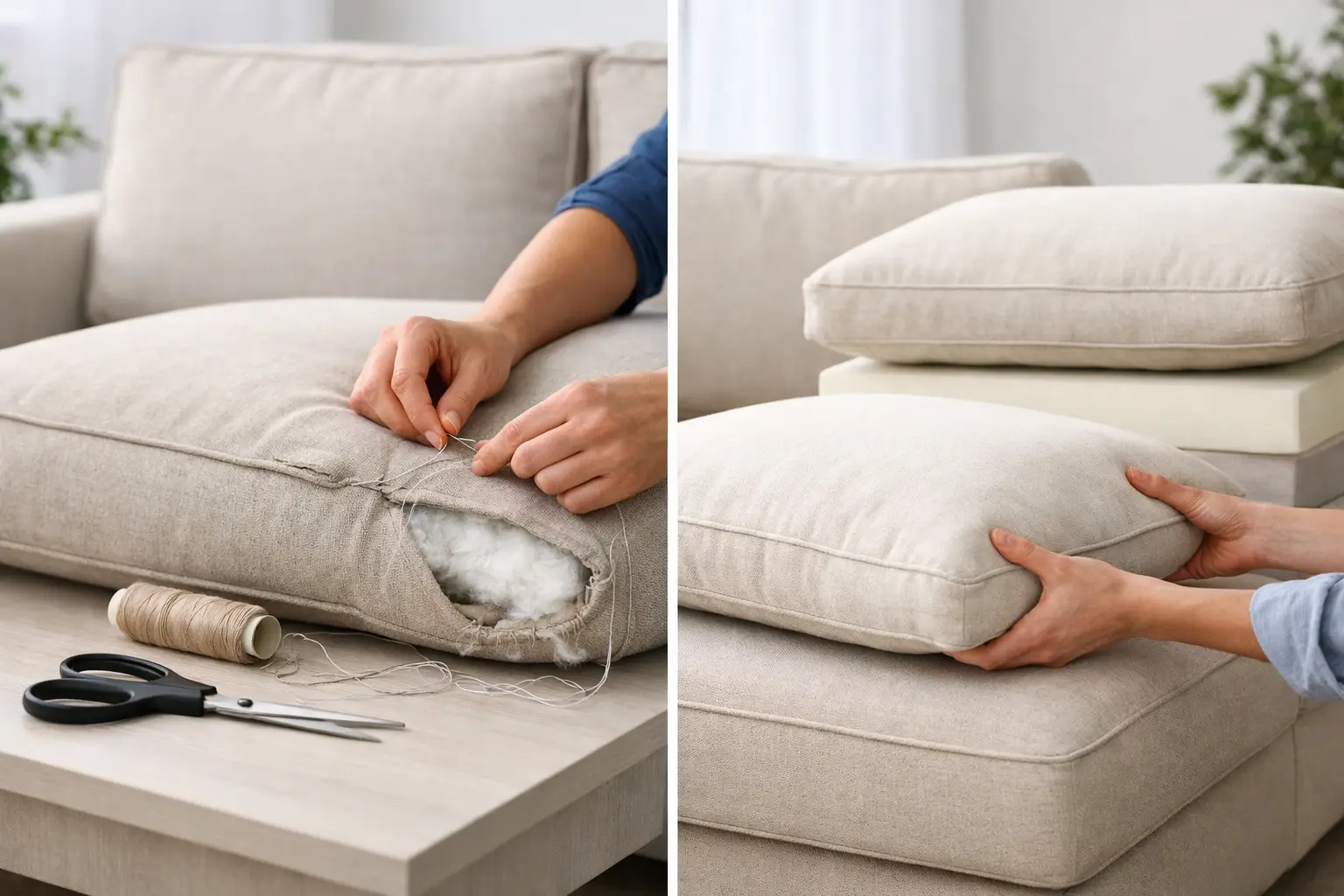
A dining chair with split seams, a recliner that leans to one side, or an accent chair with faded fabric usually has more life left than it appears. Chair reupholstery and repair is often the right solution when the frame is still worth saving, the piece has sentimental or design value, or replacement would mean giving up quality for something disposable.
For many homeowners and business owners, the real question is not whether a chair looks worn. It is whether the chair still has a solid foundation. If the answer is yes, professional upholstery work can restore comfort, improve appearance, and correct structural problems that make a chair less usable over time.
What chair reupholstery and repair actually includes
People often use reupholstery as a catch-all term, but the work can range from surface updates to full structural restoration. In some cases, a chair only needs new fabric, fresh foam, and minor touch-ups. In others, the project involves rebuilding support systems, tightening joints, replacing broken springs, repairing wood, and fitting entirely new materials.
That distinction matters because a chair can fail in more than one way. Fabric may wear out long before the frame does. Seat foam can collapse even when the outside still looks acceptable. A dining chair can wobble because joints have loosened, while the upholstery itself remains intact. A well-equipped upholstery shop looks at the whole piece, not just the visible covering.
This is especially important with older furniture, commercial seating, and custom pieces. A chair that has quality hardwood construction or a unique profile is often a better candidate for restoration than many newer mass-produced replacements.
When reupholstery makes more sense than replacement
Not every chair should be saved, but many should. The best candidates usually fall into one of three categories.
The first is quality construction. If a chair has a hardwood frame, sound joinery, and a shape worth keeping, reupholstery can be the smarter long-term investment. A well-built chair can often be restored to serve for many more years, while a lower-cost replacement may wear out quickly.
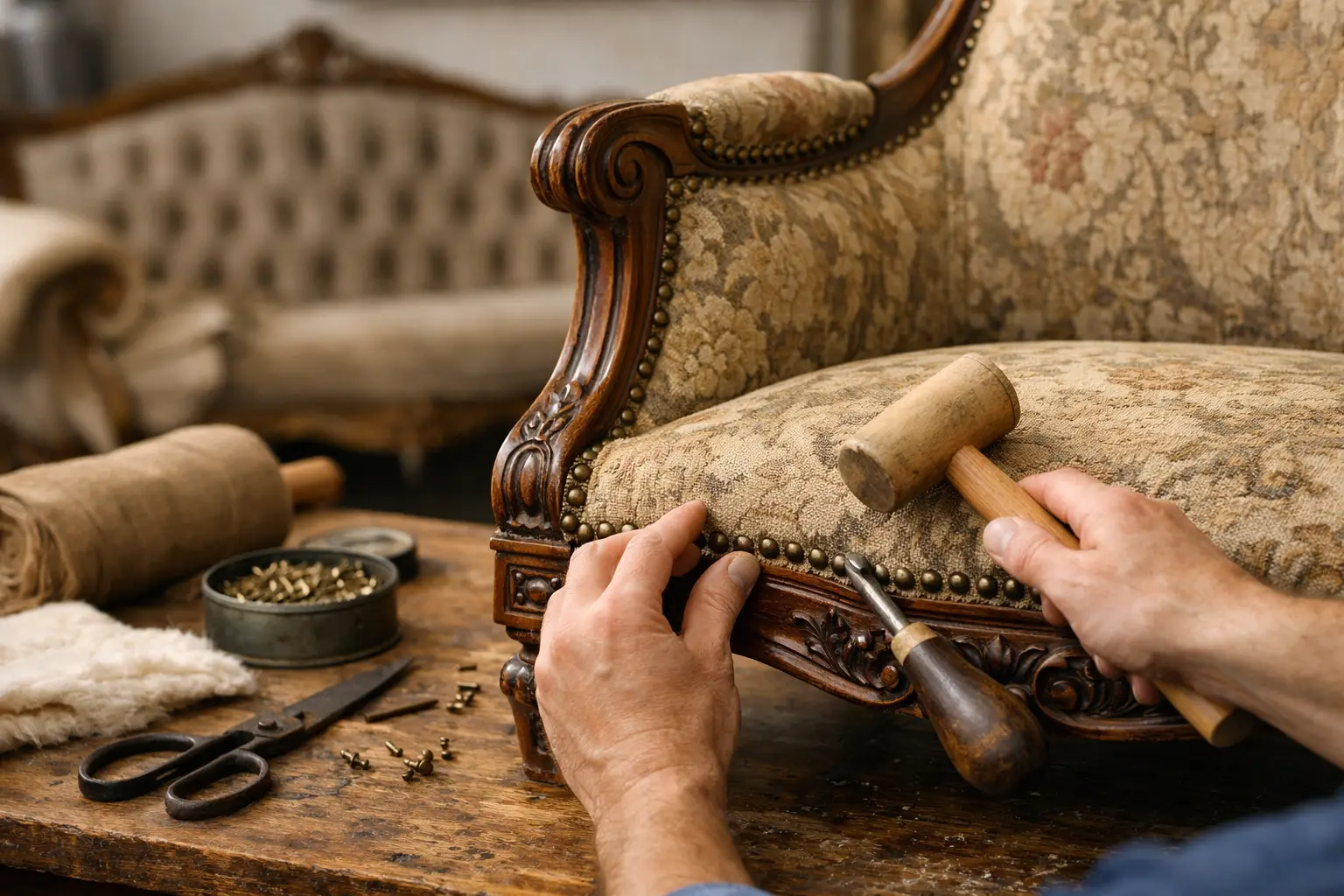
The second is sentimental or aesthetic value. Heirloom dining chairs, a favorite reading chair, or a distinctive vintage piece may not be replaceable in any meaningful way. Reupholstery lets you preserve the form and character of the original while updating the finish, comfort, and fabric.
The third is practical fit. In commercial spaces, restaurants, offices, waiting rooms, and hospitality settings, existing chairs often match an established interior. Replacing them can create inconsistency or require purchasing an entire new set. Repairing and reupholstering allows businesses to maintain a cohesive look while extending the life of seating already in service.
There are trade-offs. Reupholstery is skilled custom work, and it is not always the lowest upfront cost. If a chair has poor original construction, severe damage, or little remaining value, replacement may be the more practical option. The right choice depends on frame quality, intended use, material selection, and how much restoration the piece needs.
Signs a chair needs more than new fabric
Fabric wear gets attention first because it is easy to see, but hidden problems often affect comfort and safety more than appearance. If a chair sinks too low, feels uneven, rocks when it should not, or creaks under normal use, the issue may go deeper than upholstery.
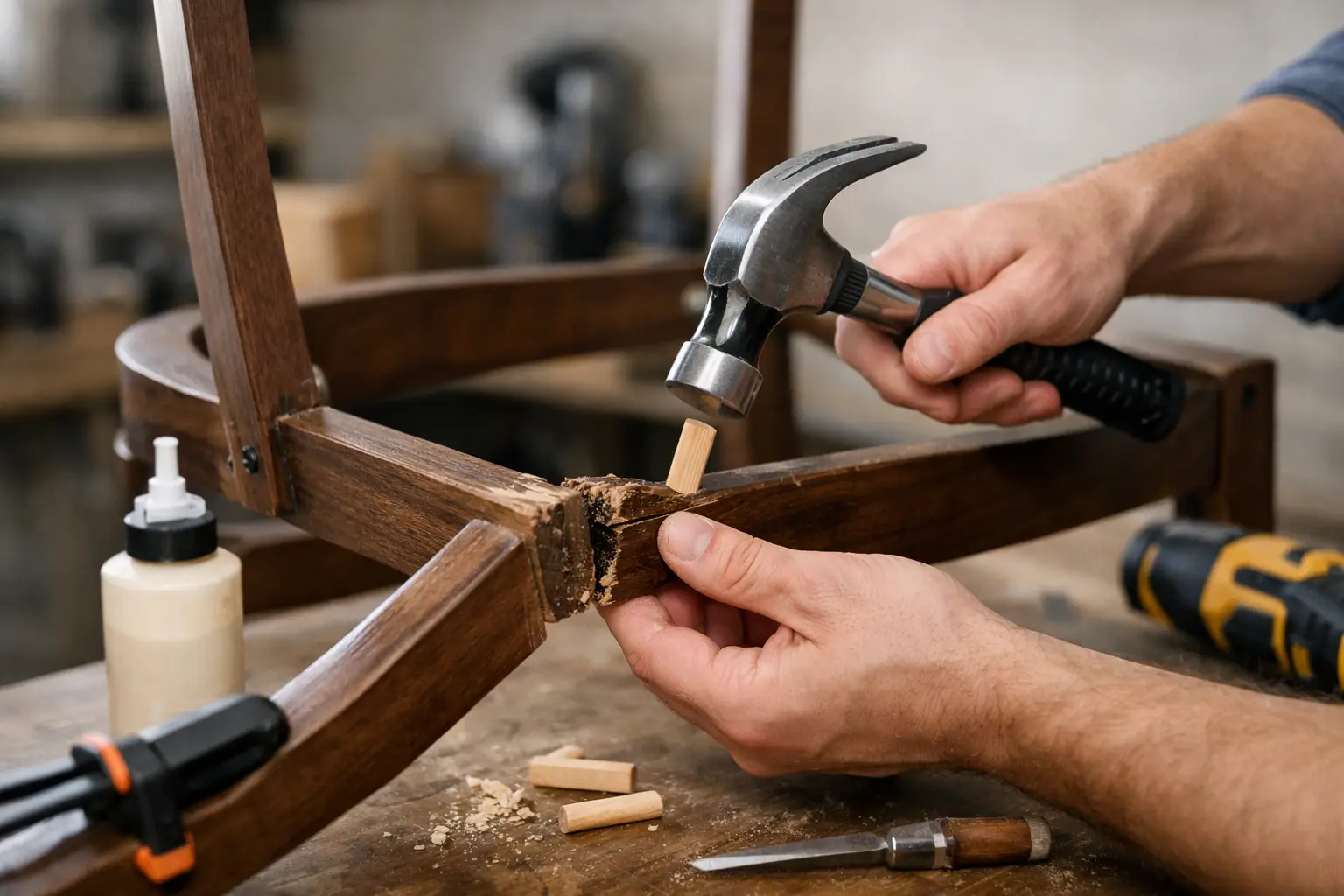
Seat cushions lose resiliency over time. Support webbing stretches. Springs break or detach. Wood frames can split, joints can loosen, and fasteners can fail. In high-use chairs, especially in dining rooms, offices, medical settings, and commercial environments, these issues build gradually until the chair no longer performs the way it should.
That is why inspection matters. A professional assessment can determine whether the chair needs cosmetic renewal, structural reinforcement, or a more complete rebuild. In many cases, combining repair and reupholstery produces a better outcome than addressing the visible problem alone.
Fabric, foam, and materials make a major difference
Material selection shapes how a finished chair looks, but it also affects how long the work will last. The right upholstery fabric depends on where the chair is used and how much abuse it takes.
For a formal accent chair in a low-traffic room, appearance may be the top priority. For kitchen seating, restaurant booths, office chairs, patio furniture, or medical seating, durability, cleanability, and stain resistance often matter more. Vinyl, performance fabrics, marine-grade materials, and commercial-grade textiles each serve different purposes.
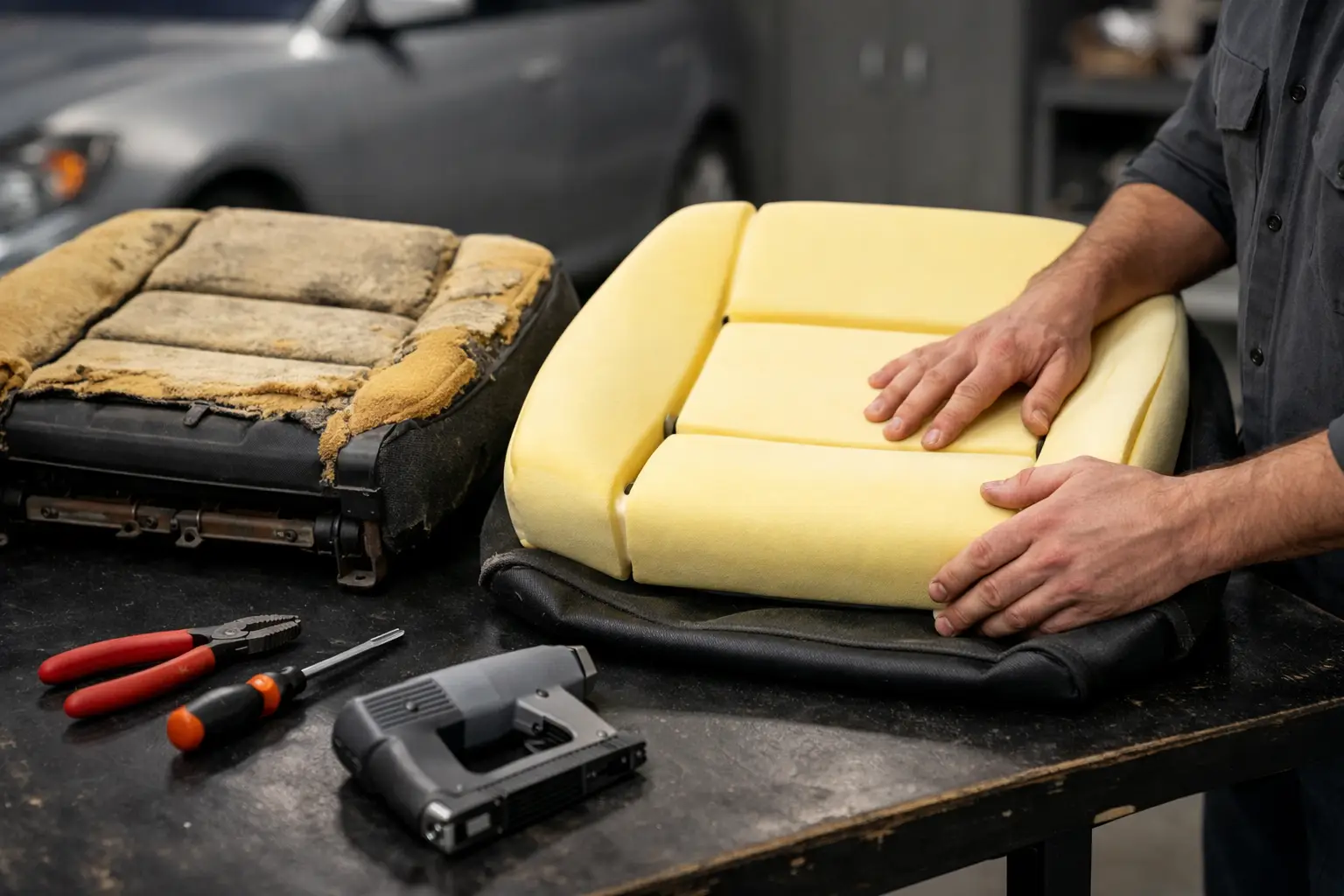
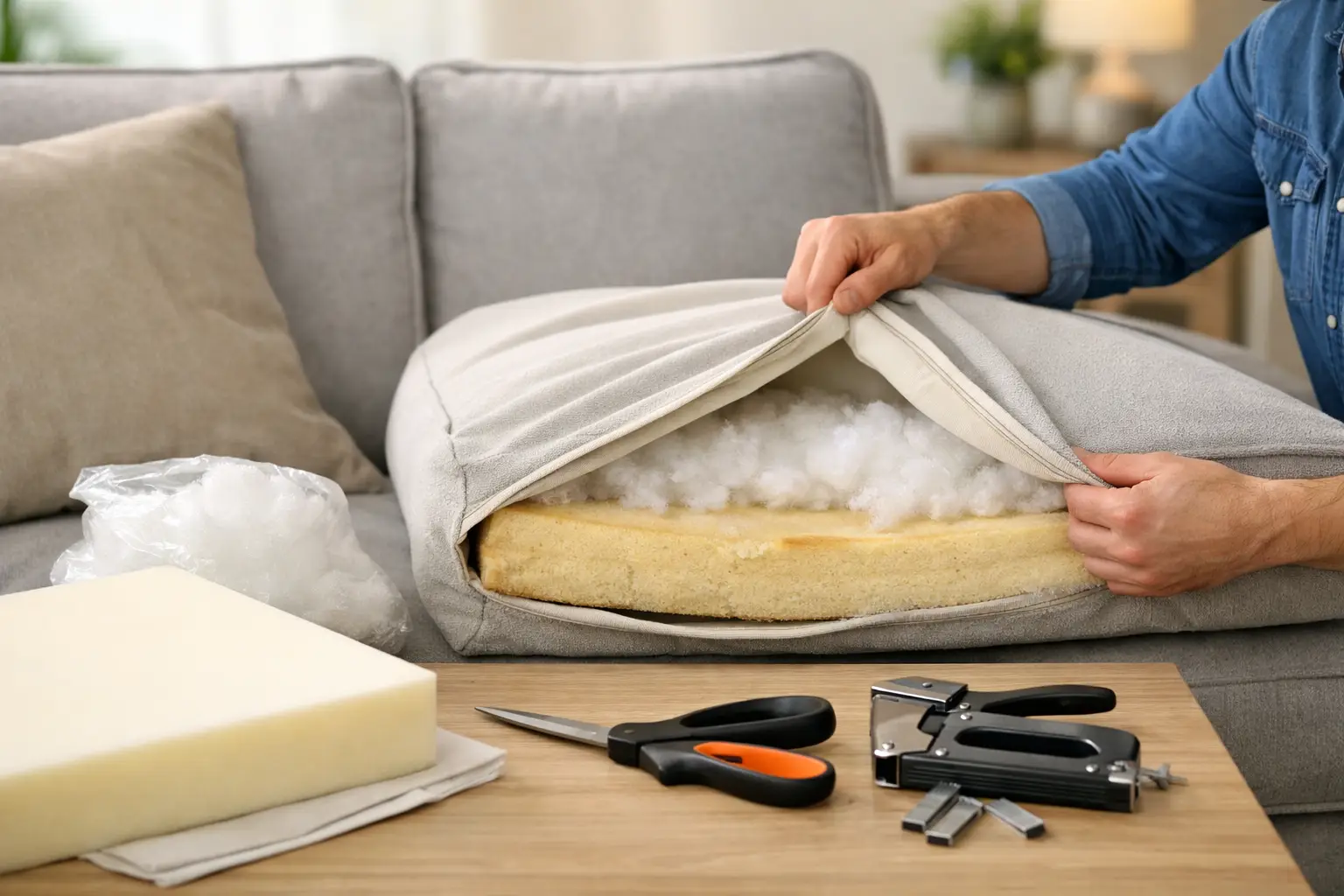
Foam matters just as much. A chair can be newly upholstered and still feel wrong if the cushioning is too soft, too firm, or too thin for the frame and intended use. Replacing worn foam with the proper density helps restore support, comfort, and shape retention.
This is one reason custom upholstery work stands apart from quick cover replacement. A proper job considers how the chair is built, how it is used, and which materials will perform best in that exact setting.
Different chairs need different repair approaches
A dining chair, barrel chair, recliner, office chair, and restaurant seat may all need upholstery work, but they do not fail the same way or require the same process.
Dining chairs often need seat rebuilds, joint tightening, and fabric replacement after years of daily use. Accent chairs and heirloom pieces may need more detailed pattern matching, trim work, and frame restoration. Recliners add mechanical considerations, where comfort and function depend on more than the upholstery alone.
Commercial seating typically calls for durability first. Restaurants, hotels, theaters, and waiting areas need materials and repair methods that stand up to repeat use while maintaining a professional appearance. In those settings, downtime, consistency, and long-term wear are usually bigger concerns than decorative detail.
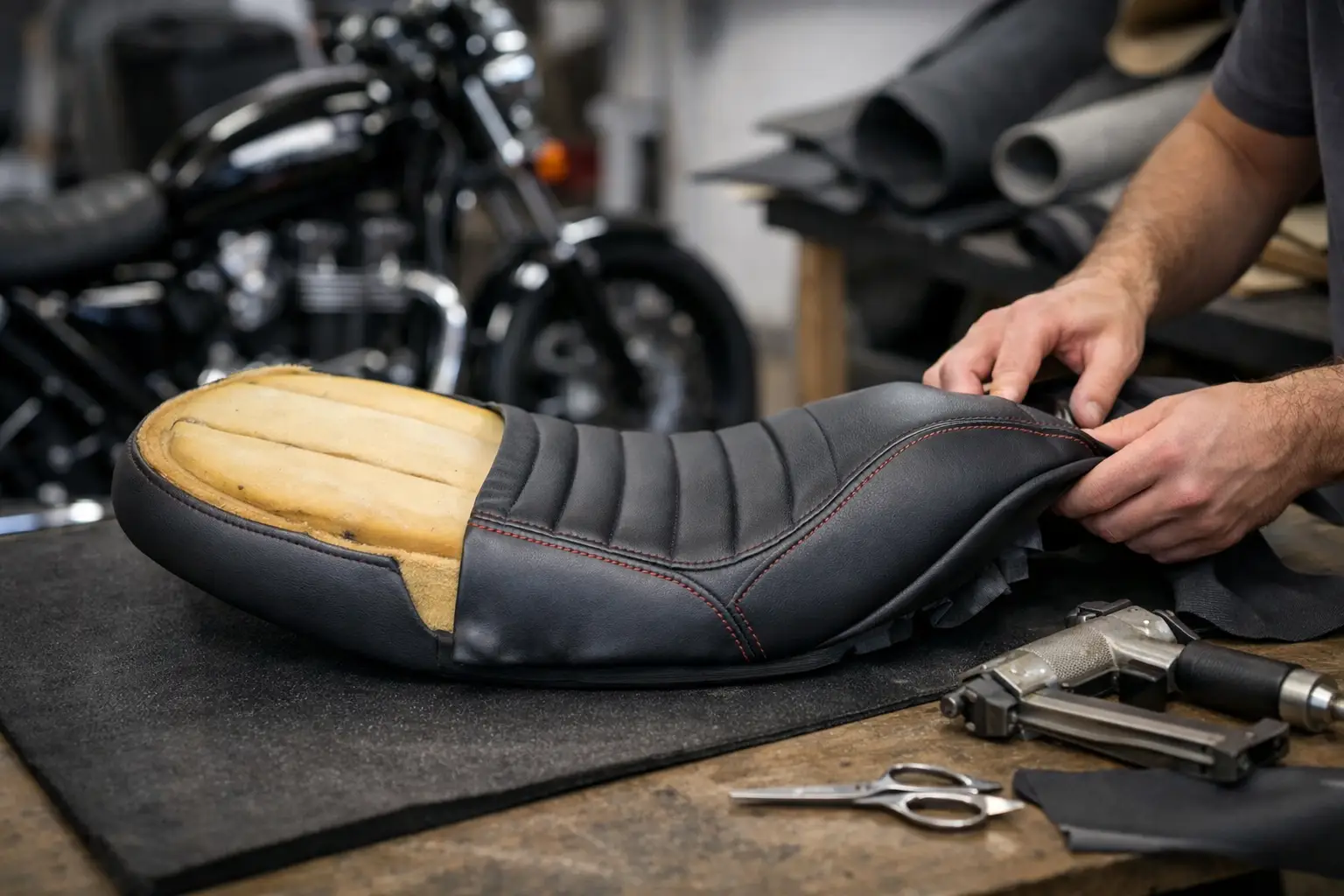
Outdoor and specialty seating present another layer. UV exposure, moisture, temperature swings, and heavy seasonal use demand materials built for those conditions. The same is true for automotive, marine, RV, motorcycle, and aviation seating, where upholstery work has to match both form and function. Rocky Mountain Upholstery handles that broader range of restoration and custom interior work, which matters when customers want one shop that understands different seating environments instead of only household furniture.
What to expect from the chair reupholstery and repair process
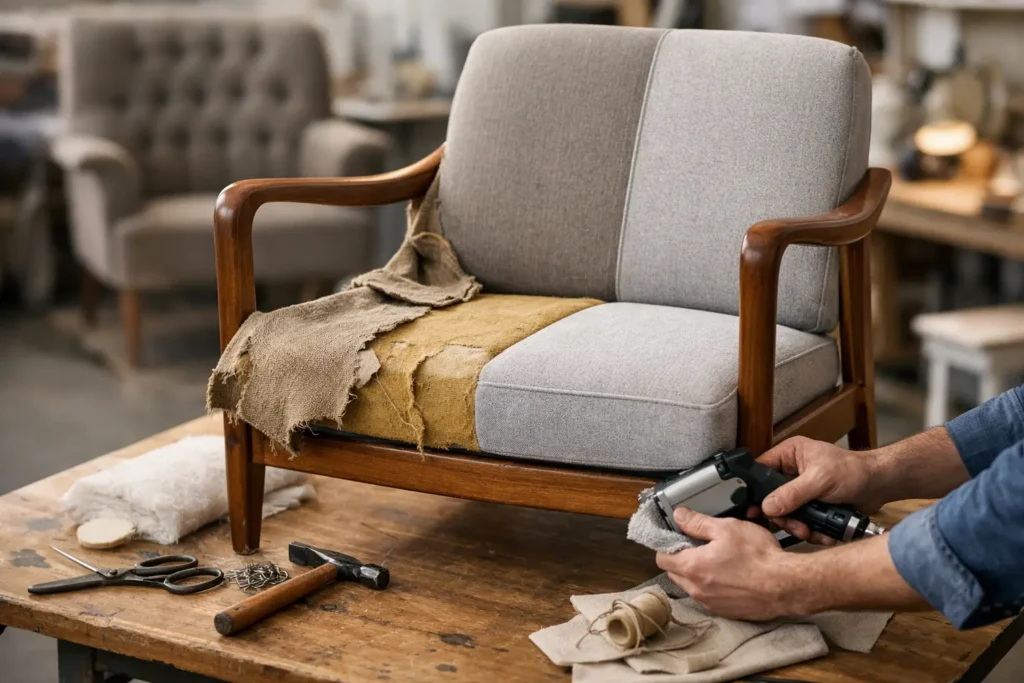
A professional project usually starts with evaluation. The chair is examined for frame condition, padding loss, spring or webbing issues, seam failure, surface damage, and overall wear. From there, the scope becomes clearer. Some chairs only need selective repair. Others need to be stripped down and rebuilt from the inside out.
Once materials are chosen, the old upholstery is removed and the internal structure is assessed fully. This is often where hidden problems appear. Loose joints, cracked rails, broken tacks, compressed foam, or damaged support systems are easier to correct once the chair is opened up.
After structural repairs are completed, new padding and support materials are installed as needed. Then the new upholstery is cut, fitted, and attached to suit the chair’s design. On patterned fabrics, precision matters. On shaped backs, corners, and curved arms, craftsmanship shows in the fit.
The result should not only look better. It should sit better, feel sturdier, and hold up under regular use.
How to decide if your chair is worth restoring
If you are unsure, start with three questions. Is the frame solid or repairable. Does the chair have value beyond its current worn condition. And will restoring it give you a better result than buying new.
If the chair was well made to begin with, the answer is often yes. If it fits your space, matches other pieces, or holds sentimental value, restoration becomes even more worthwhile. For businesses, the calculation often comes down to preserving assets, maintaining appearance, and avoiding unnecessary replacement costs.
What usually does not work well is waiting until damage becomes severe. Small seam failures, soft cushions, and loose joints are easier to address before they turn into broken frames, torn panels, or unsafe seating.
A worn chair does not always need to be discarded, and a dated chair does not need to stay dated. With the right repair and upholstery work, many pieces can be brought back to useful, attractive condition with materials chosen for the way they are actually used.
If a chair still has good bones, it may be worth looking past the wear and seeing the structure underneath.