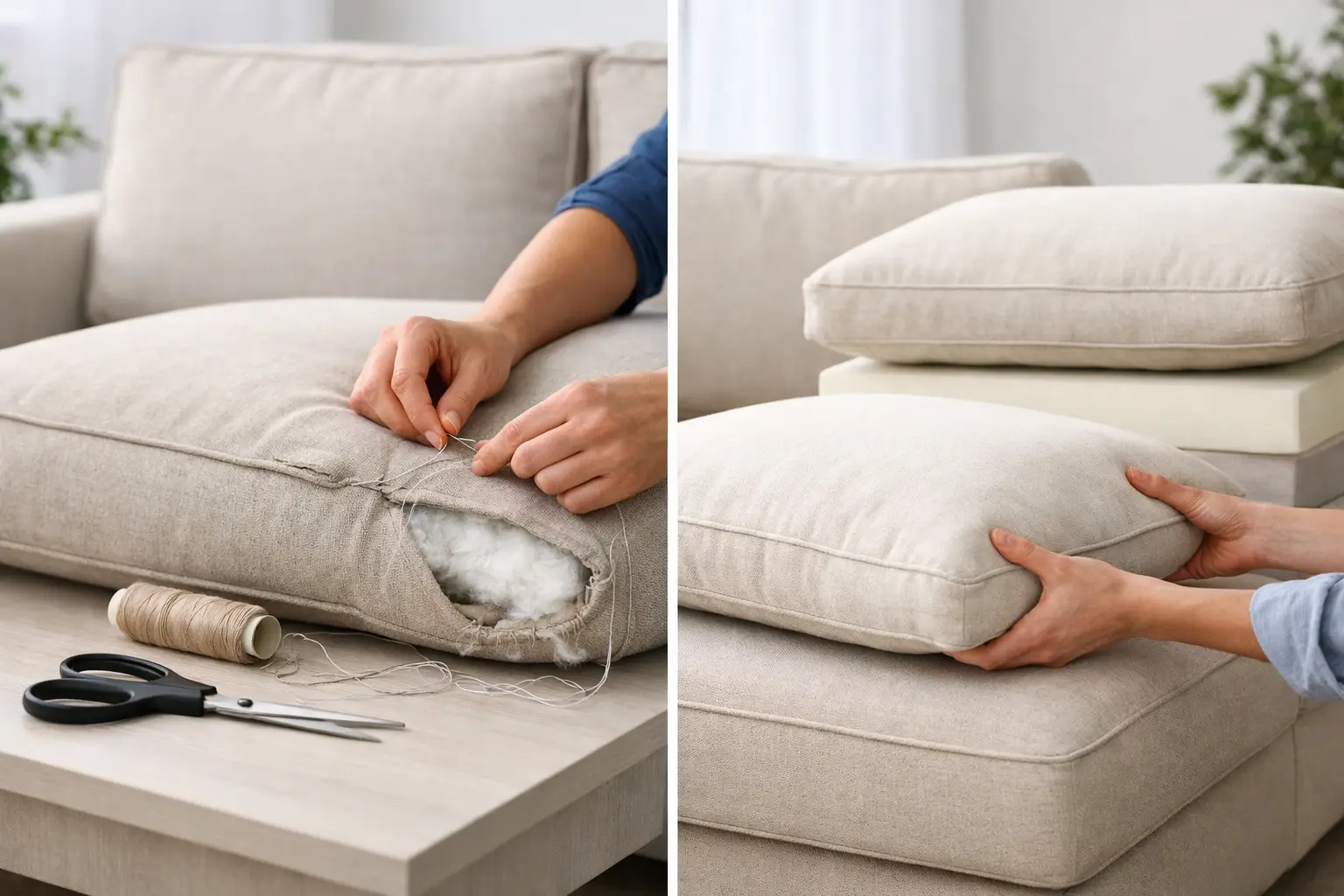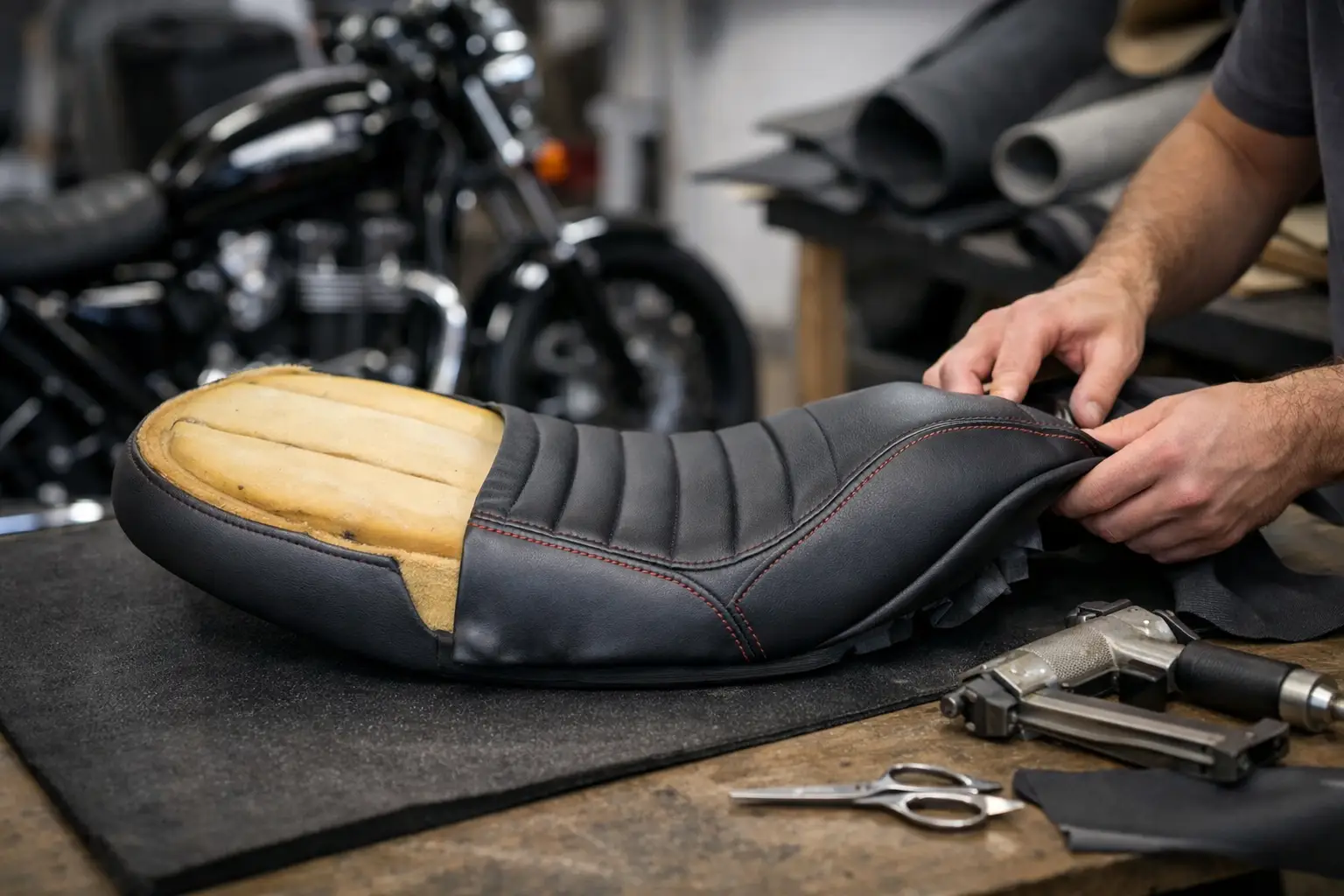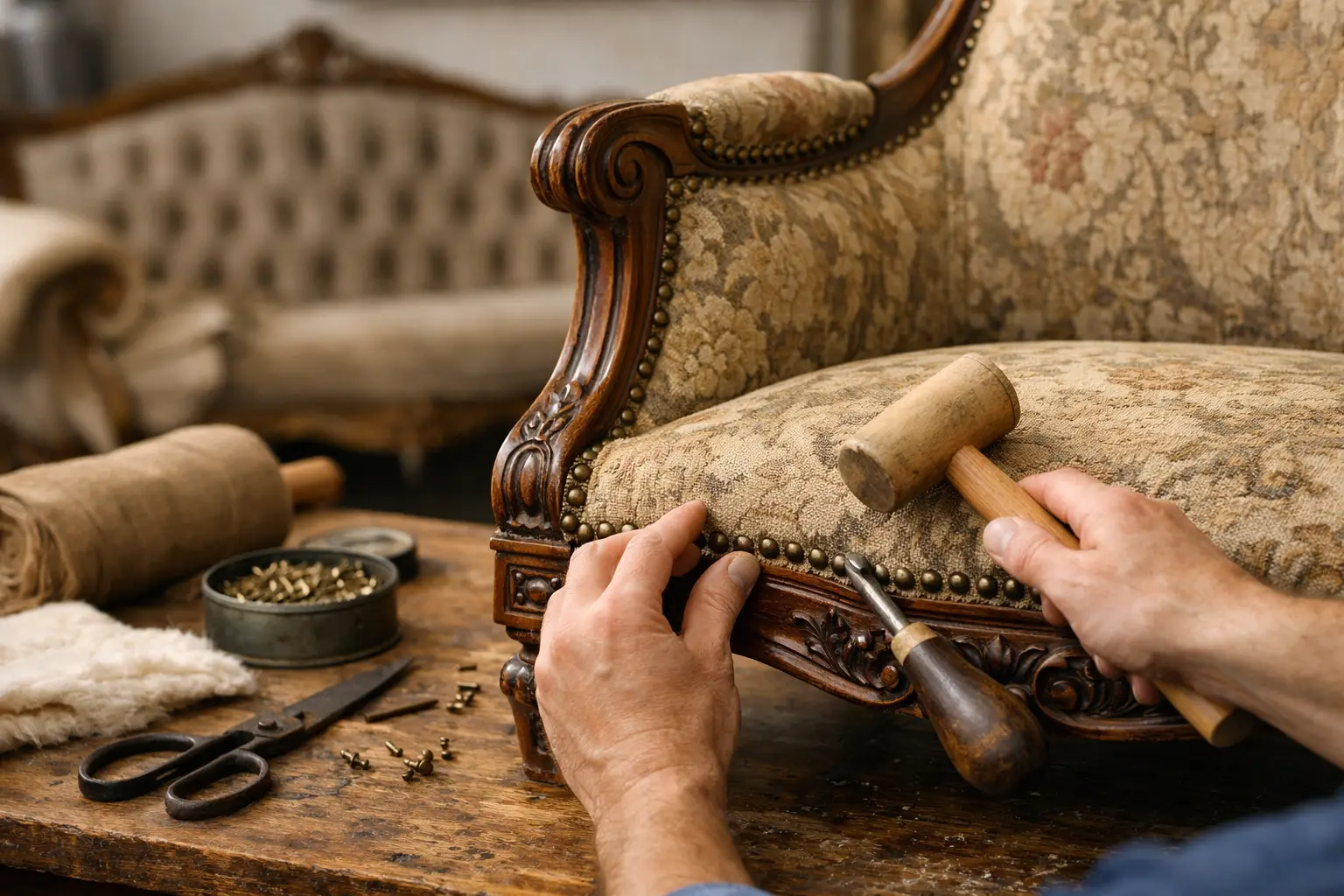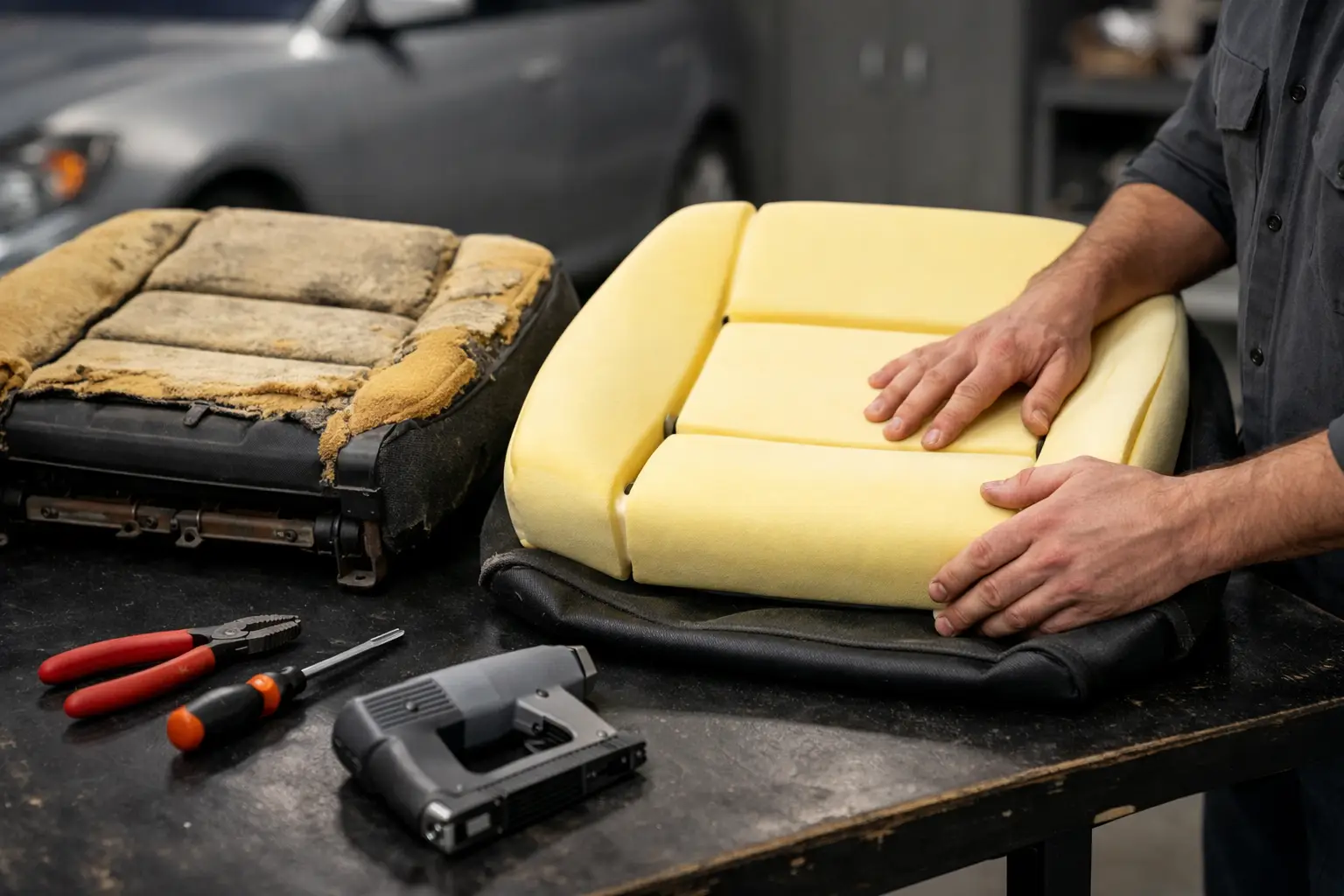
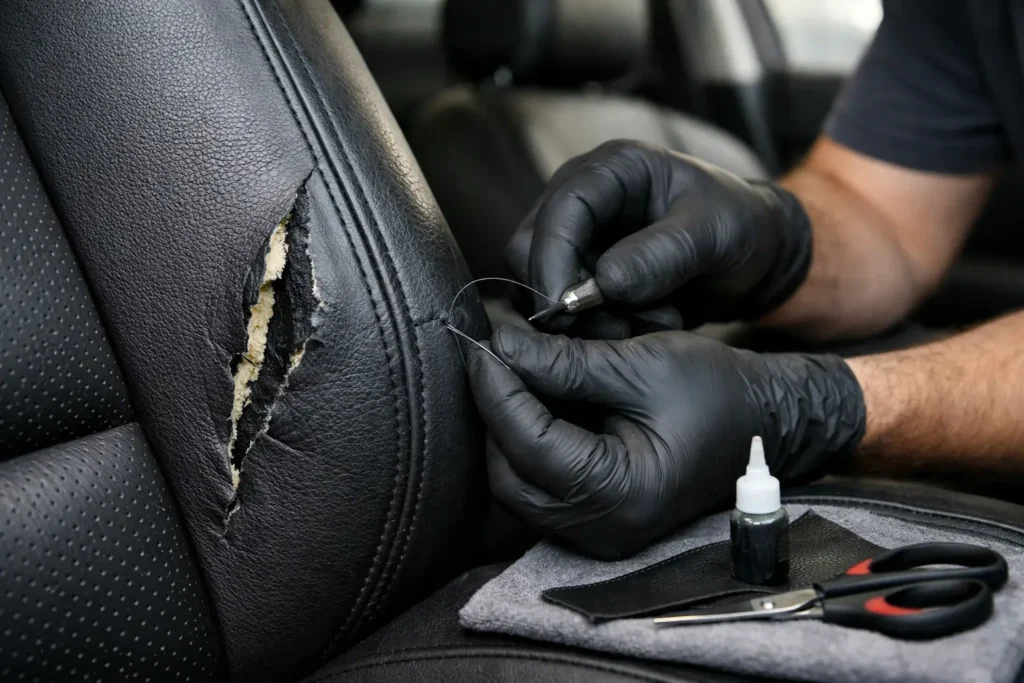
A small tear in a leather seat has a way of getting worse fast. What starts as a split at a seam or a worn spot on the bolster can turn into a larger rip, exposed padding, and a seat that looks tired every time you open the door. The good news is that can torn leather seats be repaired is usually answered with yes – but the right repair depends on the size of the damage, the condition of the leather, and how the seat is used.
Leather seat damage is rarely just about appearance. In cars, trucks, RVs, boats, and aircraft, seating takes constant friction from sliding in and out, pressure on the same contact points, sunlight, temperature swings, and drying over time. Once the surface weakens, a tear can spread quickly. That is why a professional assessment matters. Some seats can be repaired cleanly and hold up well. Others need partial panel replacement or full reupholstery to get a durable result.
Can torn leather seats be repaired in every case?
Not every torn leather seat should be repaired the same way, and not every seat is a good candidate for a surface-only fix. A small puncture, light split, or isolated tear in otherwise healthy leather is often repairable. If the backing is stable and the surrounding material still has flexibility, a repair can restore both appearance and function without replacing the whole cover.
The answer changes when the leather is dry, brittle, heavily cracked, faded, or worn thin across multiple areas. In those cases, the tear is often just the most visible sign of broader failure. Repairing one section may not solve the real problem because another weak area can split soon after. For high-stress zones like driver seat bolsters or frequently used commercial seating, durability matters as much as appearance.
That is why experienced upholstery work starts with condition, not just the tear itself. A clean-looking patch is not enough if the surrounding material cannot support daily use.
What determines whether repair or replacement makes more sense?
The first factor is the size and location of the tear. A short split on a flat seat panel is generally easier to repair than damage on a curved bolster, stitched seam, or heavily loaded edge. The second factor is how much wear exists around it. If the color coat is gone, the grain is breaking down, and the leather has hardened, replacing the damaged panel may be the better long-term choice.
Material type also matters. Genuine leather, vinyl, and leather-trimmed seating all behave differently. Some modern vehicle interiors use leather in main seating areas with vinyl on the sides or back panels. Matching the original material and finish is part of getting a repair to look right and wear properly.
The final factor is your goal. If you want to stop damage from spreading and improve appearance on a working vehicle, one repair path may make sense. If you are restoring a higher-value interior or trying to bring a seat back to near-original condition, a more involved repair or panel replacement is often worth it.
Common repairable damage
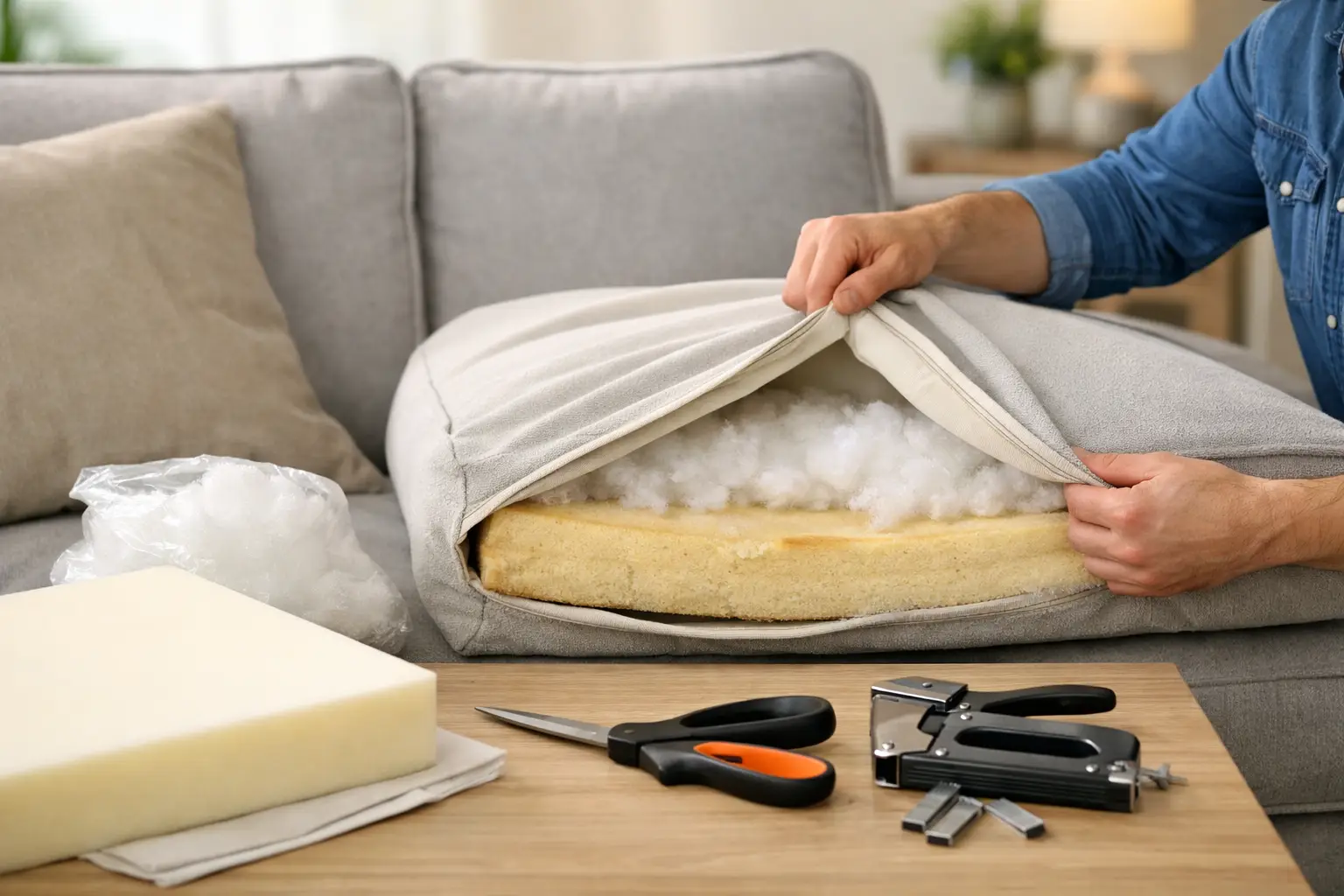
Many torn seats can be saved when the damage is caught early. Small tears, punctures, seam separations, worn entry bolsters, and limited abrasion are all common problems seen in upholstery shops. In some cases, the foam beneath the leather also needs attention because collapsed or misshaped foam puts extra stress on the cover and contributes to repeat tearing.
If the seat frame, foam structure, and most of the cover are still sound, targeted repair is often the most practical option.
When replacement is the better option
If a seat has multiple tears, severe cracking, sun damage, or previous failed repairs, replacing the affected section usually gives a better result. The same is true when the stitching has deteriorated, the panel has stretched out of shape, or the damage sits in a high-motion area that continues to flex every time the seat is used.
A professional upholsterer may recommend replacing one panel rather than the entire seat cover. That approach preserves what is still in good condition while addressing the failed section with new material and proper construction.
How leather seat repair is typically handled
There is no one-size-fits-all method for leather seat repair. The process depends on whether the issue is cosmetic, structural, or both. Minor damage may be stabilized, filled, textured, and color-matched. More serious tearing may require disassembly of the seat cover, reinforcement from behind, seam repair, panel replacement, or foam rebuilding before the cover is reinstalled.
That distinction matters because a seat is not just a visible surface. It is a built assembly of material, stitching, backing, foam, and support. If the tear happened because the foam collapsed or the seam was under strain, treating only the visible rip will not hold up for long.
For automotive and specialty interiors, color matching is also a significant part of the work. Even when the repair is structurally sound, it still needs to blend with the existing seat. That takes experience with texture, finish, sheen, and wear patterns, especially on older interiors where the original color has changed over time.
DIY kits versus professional upholstery repair
Store-bought repair kits can help with very minor cosmetic damage, but they are rarely the best answer for torn seats that see regular use. Many DIY products are designed to mask a problem rather than restore the structure of the seat cover. They may look acceptable from a distance at first, but on a driver seat, RV captain’s chair, motorcycle saddle, or marine cushion, repeated movement often exposes the weakness quickly.
The biggest issue with DIY repair is not only appearance. It is longevity. If the leather is torn through, if the backing has failed, or if the area flexes constantly, a surface fix usually will not last. Poor color match, hard filler texture, and visible patch edges are also common problems.
Professional repair is more appropriate when the seat has value, the interior matters to resale, or the piece gets frequent use. That includes family vehicles, collector cars, business fleet interiors, restaurant seating, waiting room furniture, aircraft interiors, and custom RV or marine seating. In those cases, the repair needs to do more than cover damage. It needs to perform.
Why torn seats happen in the first place
Tears are often the result of wear patterns that built up over time. Driver seats take repeated friction on the same side bolster. Boat and RV interiors deal with sunlight, heat, and seasonal storage conditions. Commercial seating can fail from constant use and cleaning exposure. Even home leather furniture develops weak points where people sit in the same place every day.
Conditioning and routine care can help preserve leather, but they do not reverse structural wear. Once leather loses flexibility or the stitching and backing begin to weaken, stress points become vulnerable. Addressing damage early is the best way to avoid a larger and more expensive repair later.
Can torn leather seats be repaired so they still look original?
Often, yes – but expectations should be realistic. A well-executed repair can improve appearance significantly and, in many cases, blend so well that the damage is difficult to notice. That said, the age of the seat, the amount of fading, and the surrounding wear all affect how invisible the repair will be.
On newer interiors with limited damage, results are usually stronger visually. On older seats with broad wear, a repaired area may look better than the surrounding material, which can make additional restoration worth considering. This is especially true when one damaged panel sits next to sections that are dry, discolored, or stretched.
A good upholstery shop will explain that balance clearly. The goal is not to oversell a perfect outcome where the material condition does not support it. The goal is to recommend the level of repair that fits the seat, the use case, and the expected finish.
Choosing the right repair for your seat
If your seat has a tear, the best next step is not guessing from a photo online. It is having the material, seams, foam, and overall construction evaluated by a shop that works with leather and upholstery repair every day. Rocky Mountain Upholstery handles repair and restoration across automotive, RV, marine, aviation, motorcycle, residential, and commercial seating, so the recommendation is based on how the piece is built and how it is actually used.
In many cases, torn leather seats can be repaired successfully. The real question is whether a localized repair, panel replacement, or more complete reupholstery will give you the best result for appearance, durability, and value. When the work is matched to the condition of the seat, repair is often a practical way to extend the life of an interior you would rather keep than replace.
If your leather seat has started to split, the best time to address it is before the damage spreads and the repair options narrow.