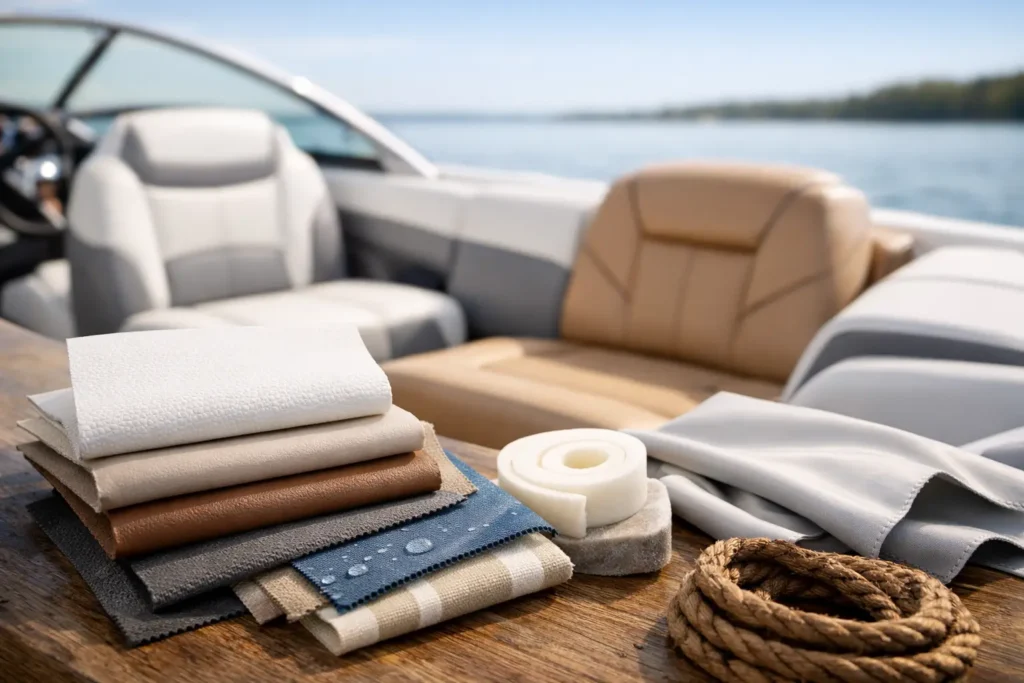
Salt, sun, spray, and temperature swings will expose weak upholstery fast. When customers ask about the best materials for boat seats, the right answer usually comes down to where the boat is used, how often it is used, and how much long-term durability matters compared to upfront cost.
Boat seating takes a different kind of wear than automotive or indoor furniture upholstery. Moisture gets into seams, UV exposure dries out lower-grade surfaces, and repeated use compresses foam long before the seat frame fails. That is why material selection matters just as much as pattern, color, or style. A good-looking seat can still be the wrong seat if the material is not built for marine conditions.
What makes the best materials for boat seats different
Marine seating materials need to do several jobs at once. They have to resist fading, handle moisture, clean up easily, and hold their shape under regular use. They also need to work as a system. The outer cover matters, but so do the foam, backing, thread, and construction methods.
This is where many boat owners run into trouble. Standard upholstery vinyl may look similar to marine-grade vinyl at first, but it usually does not perform the same way once it faces direct sun and regular exposure to water. The same goes for foam. Indoor foam can feel comfortable in the shop and fail quickly on the water.
Choosing the right seat material is less about finding one miracle product and more about building the seat correctly from the inside out.
Marine-grade vinyl is the standard for most boat seats
For most recreational boats, marine-grade vinyl is still the most practical and widely used option. It offers a strong balance of water resistance, UV durability, cleanability, and appearance. It is also available in a wide range of colors, textures, and finishes, which makes it suitable for everything from basic fishing boat seating to more detailed custom interiors.
A quality marine vinyl is designed to resist cracking, mildew, and fading better than standard vinyl. It also has the flexibility needed for upholstered seat shapes, bolsters, and stitched panel designs. That matters because boat seats are rarely just flat cushions. They often have contours, corners, and high-stress seams that need a cover material with some give.
Not all marine vinyl is equal, though. Thicker is not always better, and a softer feel is not always a sign of lower durability. The better question is whether the vinyl is actually rated for marine use and whether it includes UV and mildew resistance appropriate for the conditions it will face. A covered pontoon boat on a lift may place less demand on the material than an open runabout stored outdoors year-round.
Are woven marine fabrics a good choice?
Woven marine upholstery fabrics can work well in some applications, but they are usually more selective choices for boat seats. They can provide a premium appearance and a softer, more tailored feel than vinyl, but they often require more care and may not be the best fit for every boating environment.
In dry climates or covered-use situations, a marine-rated fabric can be a good option for certain seating areas. Some owners prefer the reduced stickiness and heat retention compared to vinyl, especially in strong sun. But fabric introduces more variables. It can hold moisture longer, may be harder to clean after heavy use, and generally needs careful pairing with the right foam and cushion construction.
For high-exposure seating, vinyl remains the safer and more common choice. For custom work, it sometimes makes sense to combine materials, using vinyl in the highest-wear and highest-moisture areas while incorporating specialty marine fabric where comfort or appearance is the priority.
Foam matters as much as the outer material
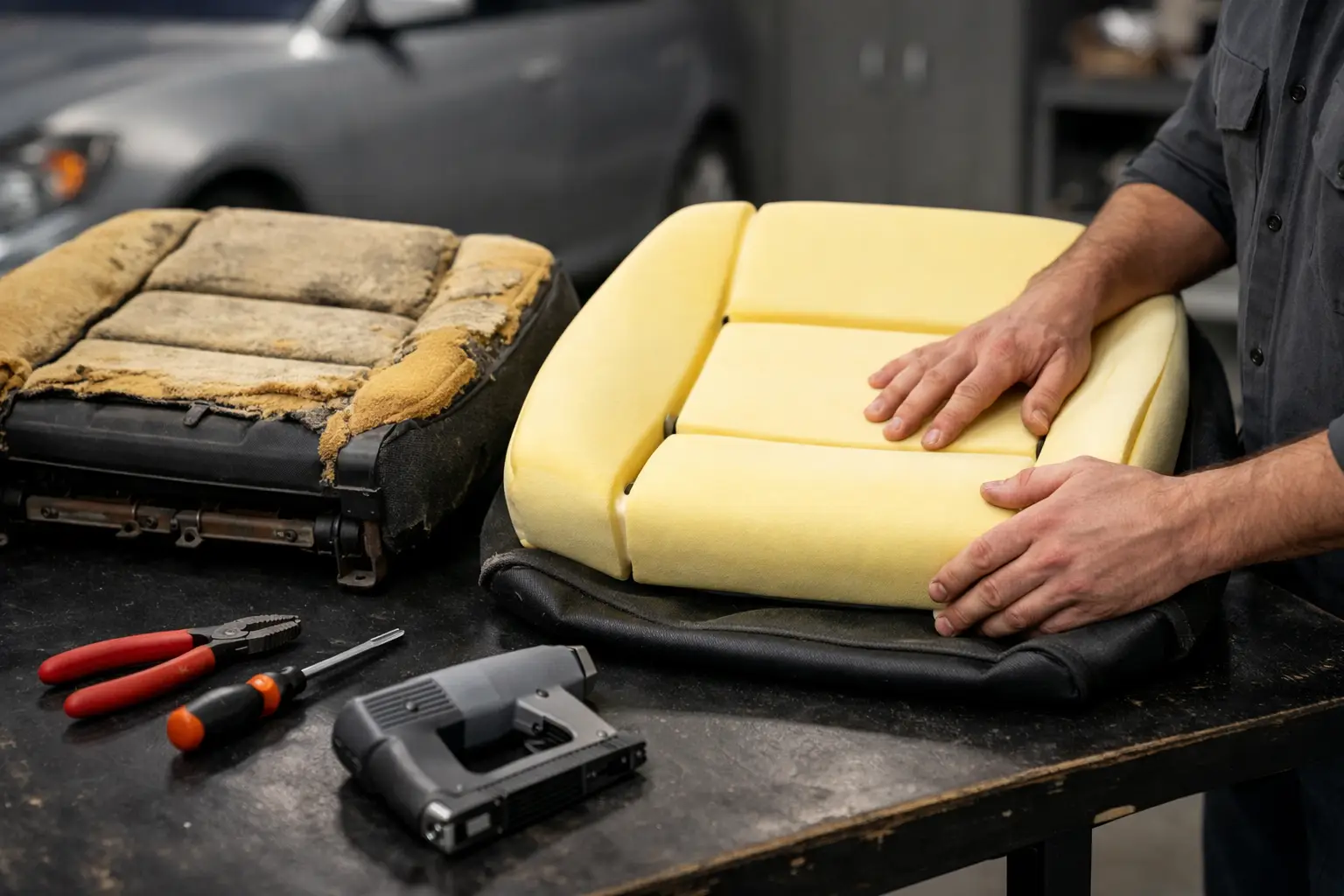
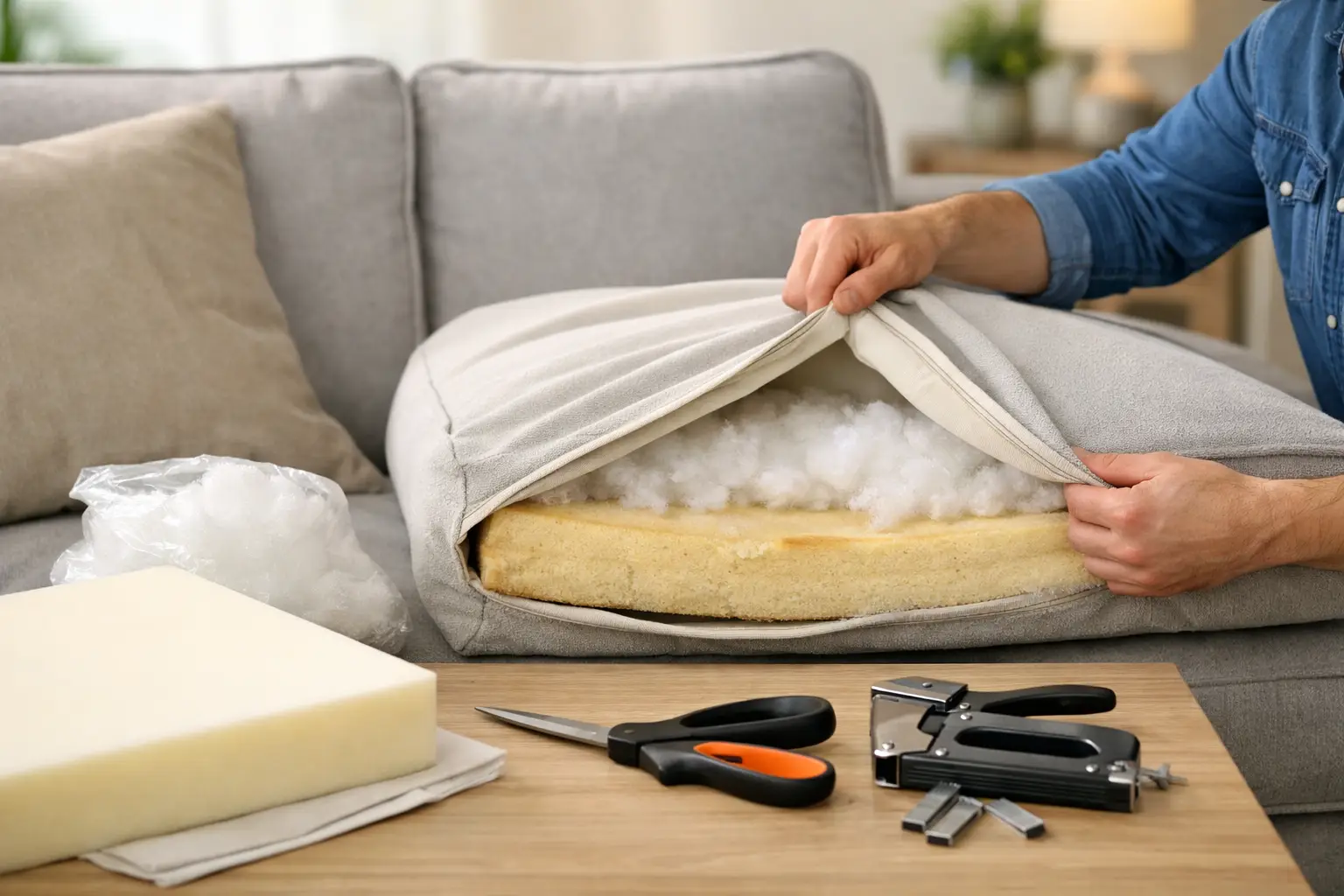
One of the most overlooked parts of boat upholstery is the foam inside the seat. If the foam absorbs water, breaks down quickly, or compresses unevenly, even a high-quality marine vinyl cover will not solve the problem for long.
Closed-cell foam is often used where water resistance is the main concern. It does not absorb water the way standard open-cell foam does, which makes it useful in certain marine applications. The trade-off is feel. Closed-cell foam can be firmer and less forgiving, so it is not always the best choice for every seating surface.
Reticulated foam is another strong marine option. It is designed with an open structure that allows water to drain through instead of staying trapped inside. In the right seat construction, this can help cushions dry faster and reduce moisture-related problems. It is often a smart fit for boats that see regular spray, rain exposure, or wet boarding traffic.
For some custom seating, layered foam construction delivers the best result. A firmer support layer can maintain shape, while a softer top layer improves comfort. That approach works particularly well when the seat is used for longer days on the water and not just short rides between docks.
Thread, backing, and panel construction are not minor details
A boat seat usually fails first at the seams, not across the middle of the panel. That is why thread quality matters. Marine environments are hard on stitching, especially in direct UV exposure. If the thread deteriorates, the upholstery starts opening up even when the vinyl itself still looks decent.
UV-resistant thread is worth the investment. It helps the seat hold together longer and protects the integrity of shaped panels and decorative stitching. In custom marine upholstery, it is one of those details that directly affects service life.
Backing and reinforcement also matter. Areas that flex repeatedly, such as the front edge of a helm seat or the top of a backrest, need proper support in the upholstery build. Without that support, stretching, wrinkling, and early wear become more likely. Good craftsmanship is what turns quality materials into a seat that actually lasts.
Color and texture affect performance too
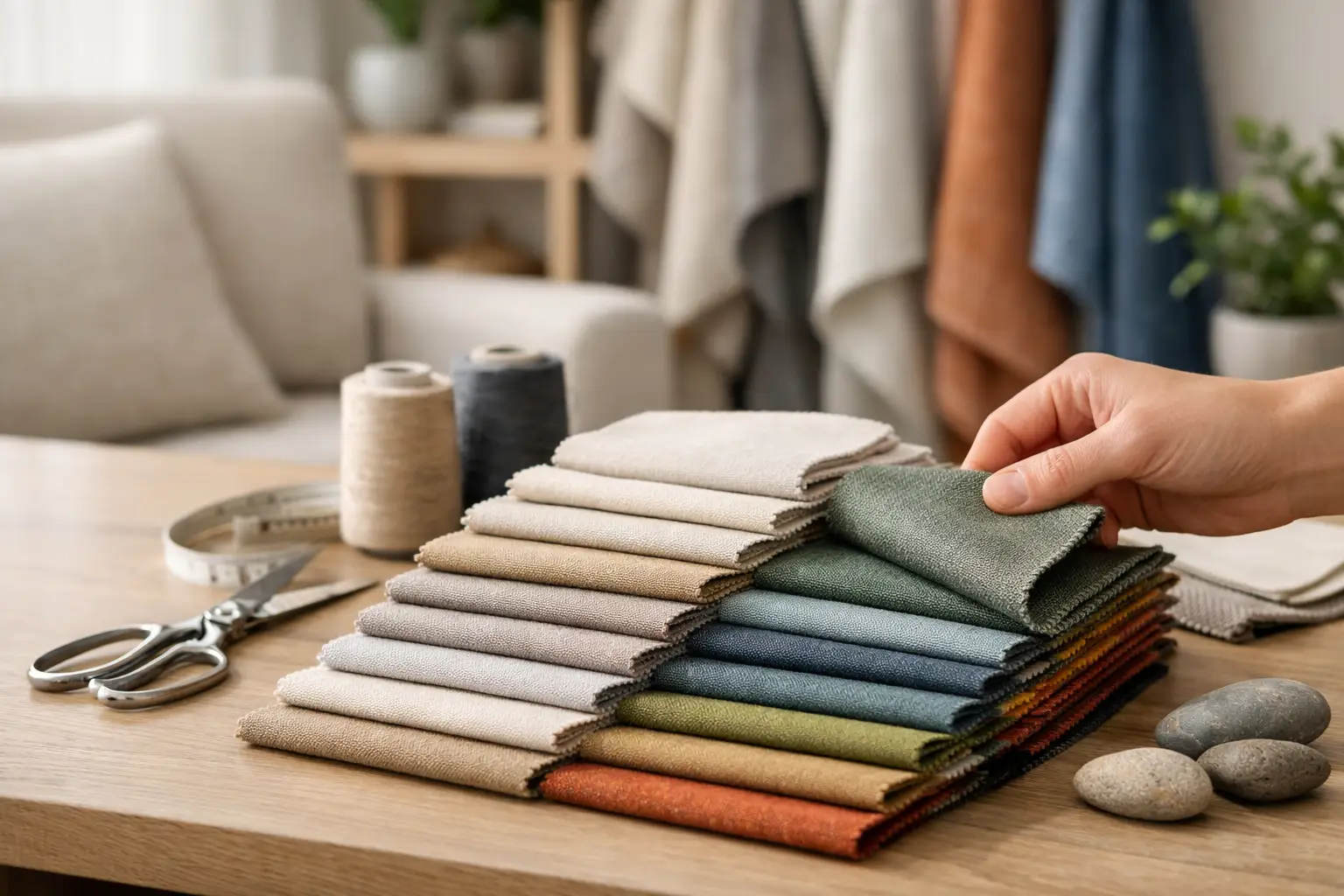
When discussing the best materials for boat seats, color selection is not just a style decision. Lighter colors generally stay cooler in direct sun, which can make a real difference in comfort during summer use. Darker colors may offer a bold look, but they can also show heat buildup more quickly.
Texture plays a role as well. Smooth vinyl can be easier to wipe down, while lightly textured surfaces may hide minor wear better over time. Some textures also improve grip, which can be useful depending on the seat location. The right choice depends on the type of boat and how the seating is used.
In many projects, the best result is a practical balance. The owner may want a clean custom look, but the material still has to perform when exposed to sunscreen, wet clothing, fish residue, or frequent boarding traffic.
Matching the material to the type of boat
A pontoon boat, ski boat, fishing boat, and cruiser do not all need the same upholstery approach. A family pontoon used for long summer outings may benefit from softer seating and heat-conscious color choices. A fishing boat may need highly cleanable surfaces and simpler panel layouts that hold up to gear, hooks, and hard use. A performance boat may prioritize tighter contours, stronger bolsters, and materials that stay secure under more active movement.
Storage conditions matter just as much as boat type. A boat stored indoors or under full cover has different upholstery demands than one exposed to sun and weather every week. Owners sometimes overspend on one feature and underspend on another. For example, premium vinyl paired with the wrong foam is still a weak build.
That is why custom evaluation is useful. The best material choice often depends on real-world use, not just product labels.
When repair, replacement, or full reupholstery makes sense
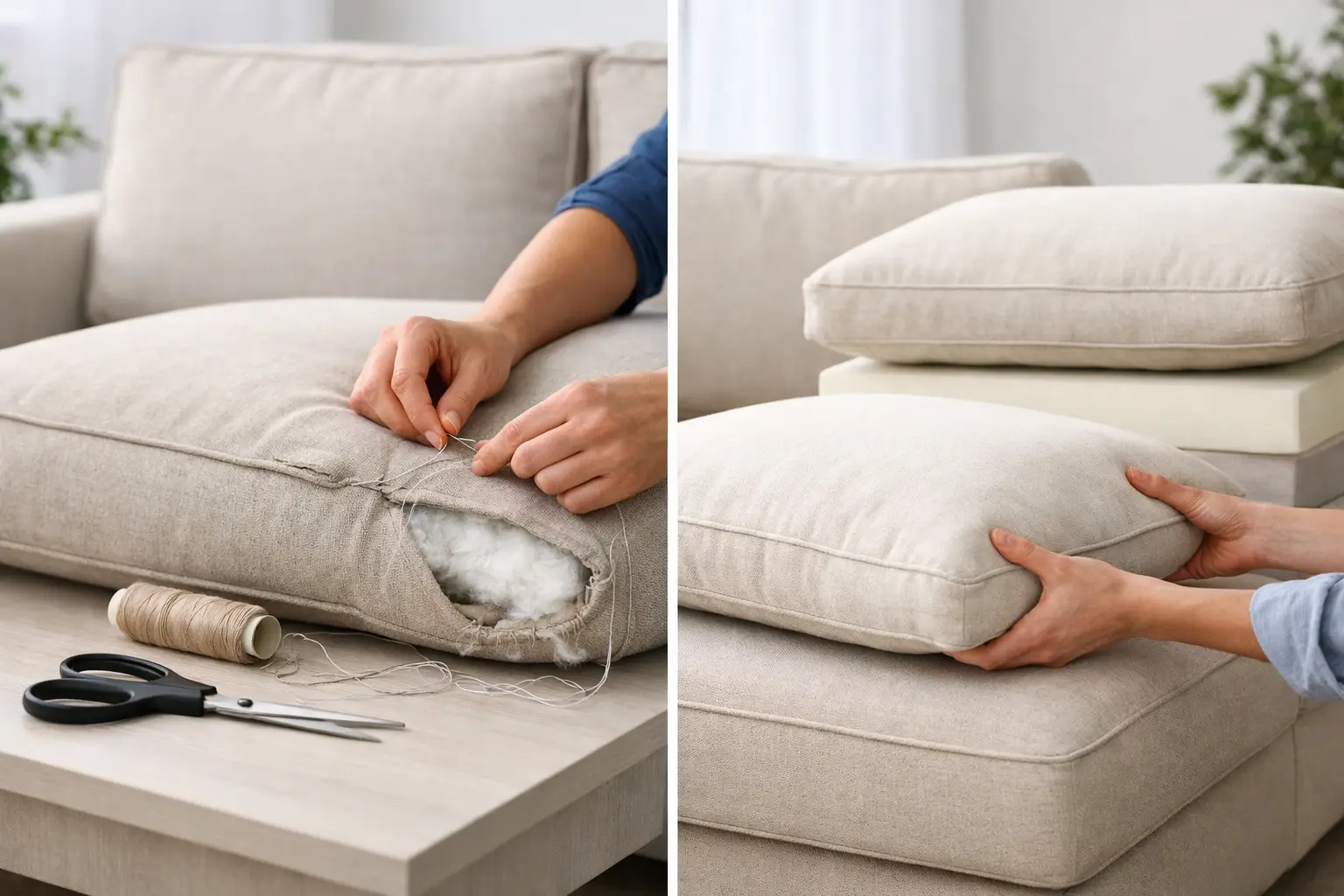
Sometimes the existing boat seats only need panel replacement or new foam in selected sections. Other times, the covers, stitching, and cushion cores have all reached the end of their service life. If the seat base and structure are still sound, reupholstery is often the better value than full replacement.
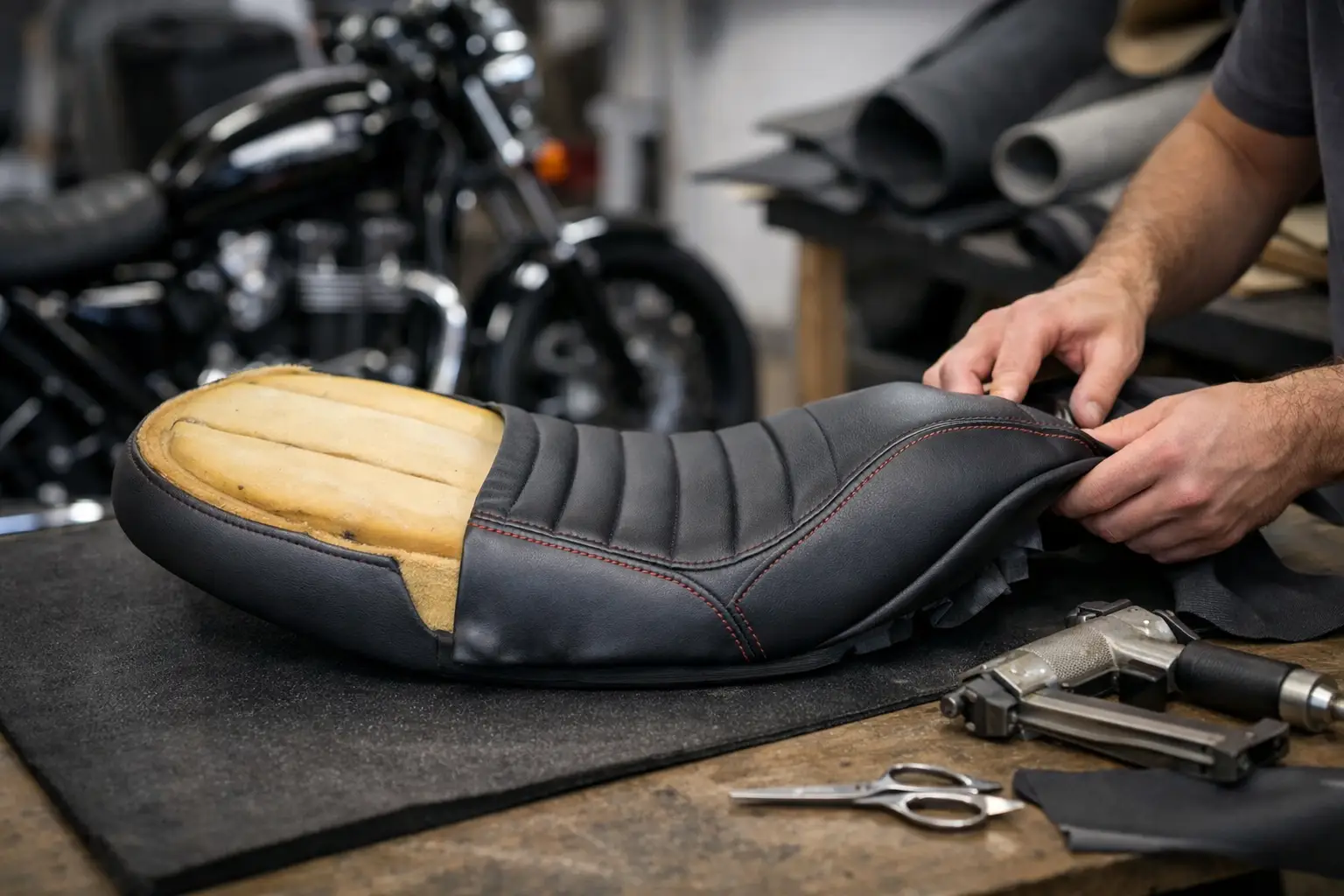
A proper marine upholstery rebuild gives you the chance to correct problems that may have been there from the start. That can include replacing worn foam, updating drainage, reinforcing stress points, and choosing better materials for the way the boat is actually used. Rocky Mountain Upholstery approaches this type of work as a full material and construction decision, not just a cosmetic recover.
If you want boat seating that looks right and holds up, the best place to start is not with color charts. It is with an honest look at exposure, comfort needs, and how the seat is built beneath the surface. The right material choice should keep working long after the boat is back in the water.