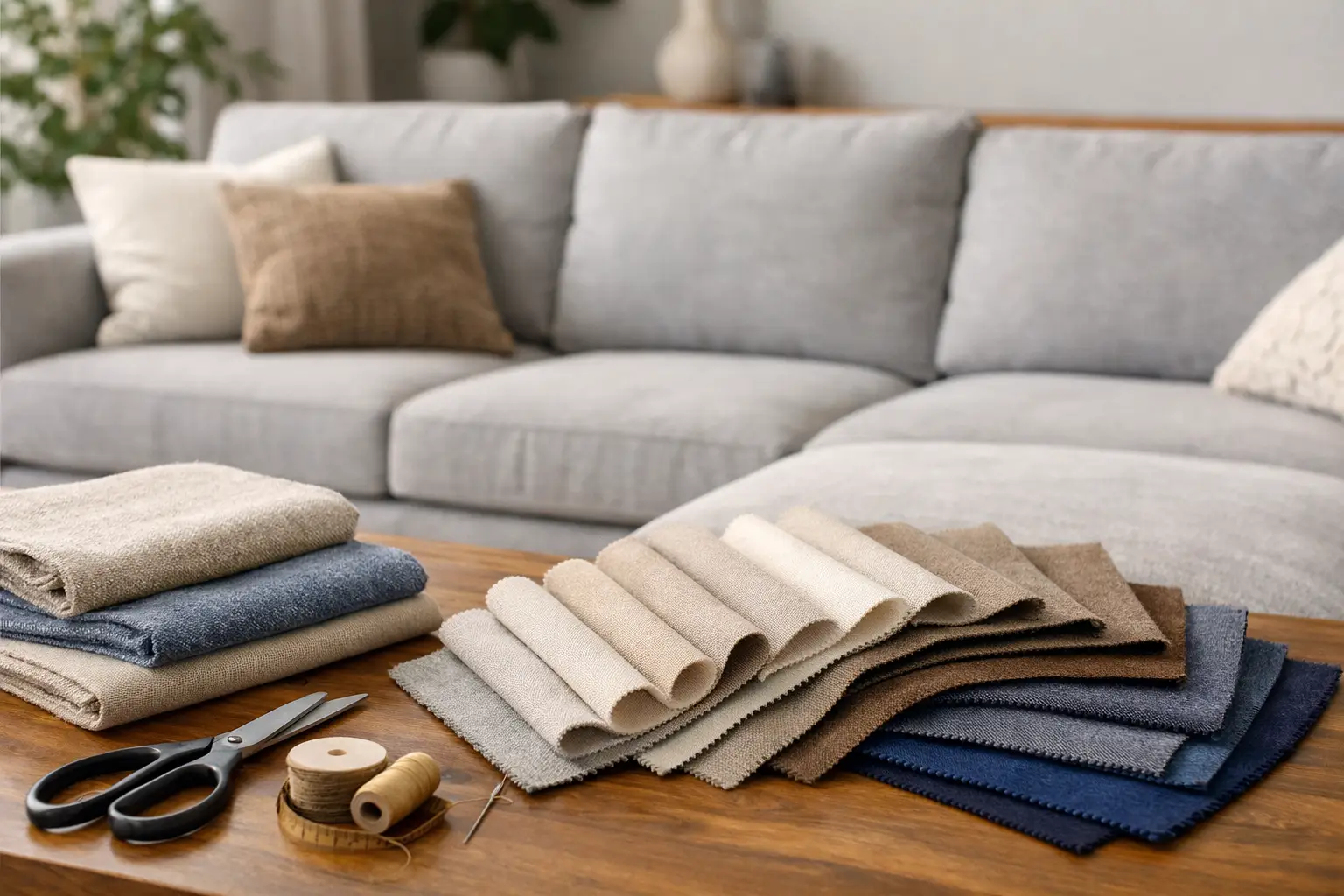
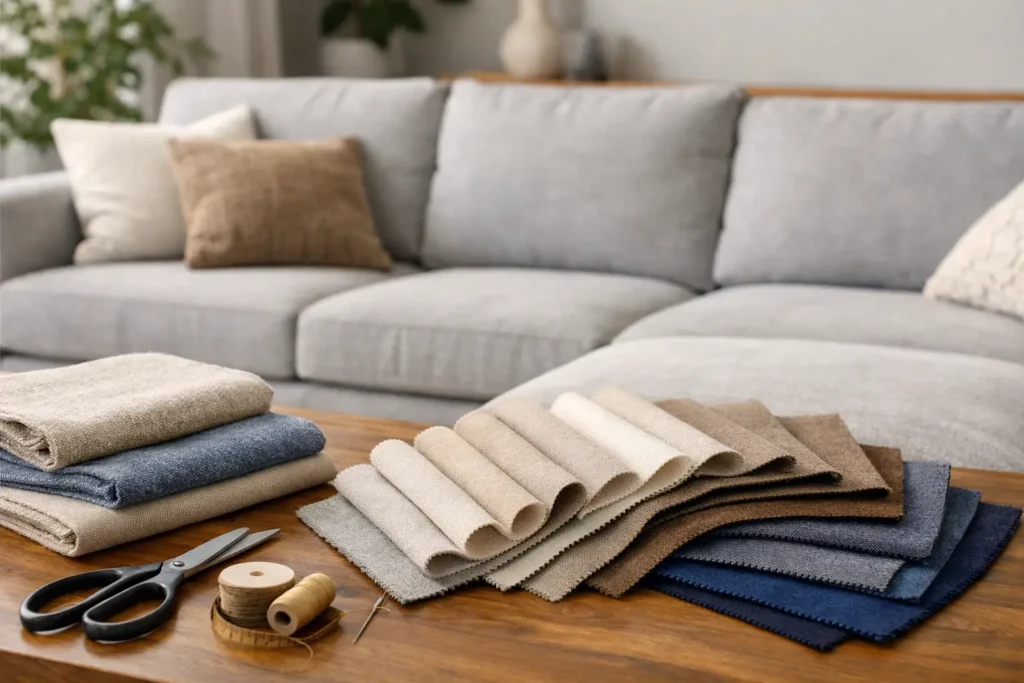
A sectional sees real use. It handles movie nights, naps, pets, kids, spills, and the daily wear that comes from being the most lived-in seat in the house. That is why choosing the best fabric for sectional sofas is less about chasing a trend and more about matching the material to how the piece will actually be used.
A good sectional often has years of life left in its frame and cushions, even when the fabric looks tired, stained, or dated. In those cases, the right upholstery fabric can change not just the appearance of the sofa, but also how well it performs over time. The best choice depends on traffic, sunlight, maintenance expectations, and whether comfort or durability matters most in your space.
What makes the best fabric for sectional sofas?
For most homes, the best upholstery fabric balances four things: durability, cleanability, comfort, and appearance. If one of those is missing, the sectional may look good for a while but become frustrating to live with.
Durability matters because sectionals get concentrated wear in the same few spots. Arms, corner seats, chaise cushions, and front edges take repeated pressure. A fabric that pills, stretches, or wears thin too quickly will show age fast, especially on larger pieces where replacement is a bigger investment.
Cleanability matters just as much. Many homeowners want a fabric that can stand up to food, pets, or everyday dust without requiring constant maintenance. Some materials hide minor marks well but absorb spills quickly. Others resist moisture better but may feel stiffer or warmer. There is always a trade-off.
Comfort is often overlooked until after installation. A fabric may be durable enough for heavy use but feel rough, slick, or too formal for a family room. Since sectionals are designed for long sitting periods, the hand and texture of the fabric should fit how you use the room.
Appearance is the final piece. The weave, color, and finish affect how the sectional fits the rest of the interior. A fabric can be technically strong and still feel wrong for the room if it reads too casual, too shiny, or too flat.
The best fabric options for sectional sofas
Performance fabric
For many households, performance fabric is the strongest all-around choice. It is designed to resist stains, moisture, and wear while still feeling comfortable enough for everyday seating. On a sectional, that combination is hard to beat.
Performance fabrics work especially well in homes with children, pets, or frequent entertaining. They tend to be easier to maintain than many traditional upholstery materials, and they hold up well in busy family rooms and open-concept spaces where the sectional is used constantly.
That said, performance fabric is not one single material. It is a category, and quality varies. Some options feel soft and residential, while others can feel more technical. The right selection depends on whether you want a relaxed texture, a tailored finish, or a fabric that closely mimics linen or chenille without the same maintenance concerns.
Woven synthetic blends
Synthetic blends, including fabrics with polyester, olefin, or acrylic content, are often a practical solution for sectionals. These materials are generally durable, colorfast, and more resistant to wear than many delicate natural fibers.
A tightly woven synthetic blend can hold its shape well and resist everyday abrasion. It is also a good option when you want a broad range of colors and textures without stepping into high-maintenance upholstery. For homeowners trying to extend the life of a good sectional frame, this category often offers strong value.
The trade-off is that lower-grade synthetics can feel less refined. They may also trap heat differently than natural fibers. Construction matters as much as fiber content, so the weave and weight should be evaluated along with the label.
Microfiber
Microfiber remains a solid choice for many sectionals because it is soft, durable, and generally easy to live with. It handles daily use well and often performs better than expected in homes with kids or pets.
One of its main advantages is surface resilience. Pet hair is usually easier to remove than it is from loose weaves, and many microfiber fabrics resist staining better than more absorbent materials. It also gives a sectional a comfortable, casual feel that suits media rooms and family spaces.
Its main drawback is appearance preference. Some homeowners like the smooth, consistent finish, while others find it less custom in appearance than textured woven fabrics. It can also show shading or pressure marks depending on the nap.
Chenille
Chenille is popular because it feels soft and inviting, which makes sense for a sectional meant for lounging. It adds texture and warmth and can give a reupholstered piece a fuller, more substantial look.
In the right setting, chenille works very well. It is especially appealing when comfort is the top priority and the room is used in a more controlled way. For a formal family room or a lower-traffic living space, it can be an excellent fit.
But chenille is not always the best answer for heavy wear. Some versions can snag, crush, or show wear patterns sooner than tighter, flatter fabrics. If pets regularly jump on the sofa or if the sectional sees constant use, it may not be the longest-lasting option.
Leather and faux leather
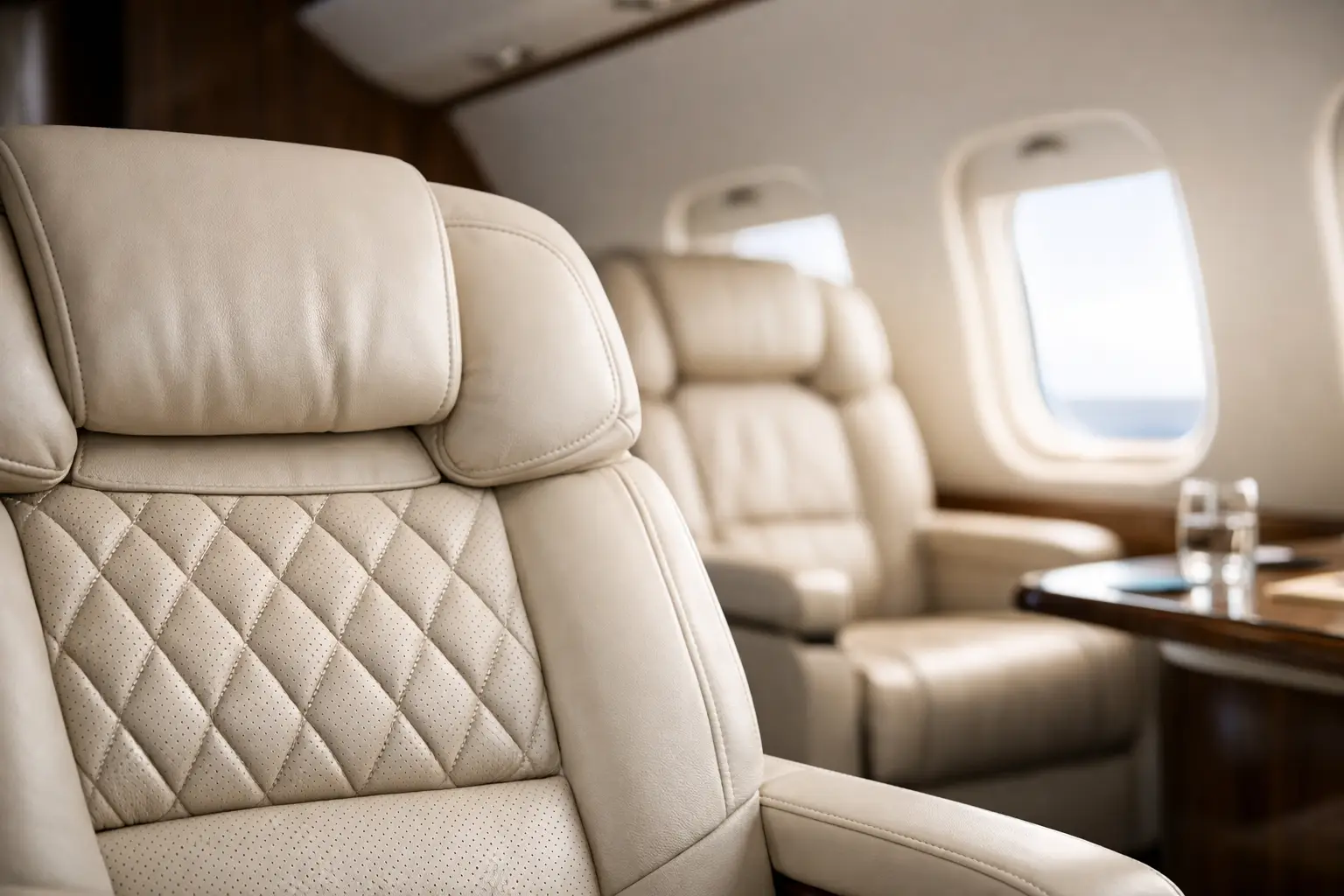
When people ask about the best fabric for sectional sofas, leather often enters the conversation even though it is not a fabric. It is worth considering because it performs differently than woven upholstery and can be an excellent choice in the right environment.
Leather is durable, easier to wipe clean, and tends to age well when properly maintained. It can be a very strong option for adults-only households, offices, waiting areas, and homes that want a cleaner, more tailored look.
However, leather is not always ideal for every sectional. It can scratch, feel cold or sticky depending on season, and show cushion shape changes more clearly over time. Faux leather offers a similar look at a lower cost, but longevity varies widely, especially in high-use seating.
Cotton and linen blends
Natural-fiber blends can create a beautiful custom look. They often have a softer, more organic appearance than synthetics and work well when the goal is a lighter, more relaxed style.
The challenge is performance. Cotton and linen blends can wrinkle, absorb spills, and show wear sooner in active homes. They are usually better suited to spaces where appearance matters more than heavy-duty use. For some homeowners, that trade-off is worth it. For many sectionals in daily family use, it is not.
How to choose the best fabric for your sectional
Start with the room, not the swatch. A basement sectional used every evening needs a different fabric than a formal sitting room sectional used a few times a month. The more traffic the piece gets, the more important abrasion resistance, easy cleaning, and stable construction become.
If pets are part of the household, skip open weaves and delicate textures that can catch claws or hold hair. If children use the sectional regularly, stain resistance and color choice should move higher on the priority list. Mid-tone colors and heathered textures usually hide daily wear better than very light solids or very dark, flat fabrics.
Sun exposure also matters. A sectional placed near large windows may fade unevenly if the fabric is not suited for light exposure. This is one reason material selection should be based on placement, not just appearance in a sample book.
Then think about maintenance honestly. If you want a low-effort sectional, choose a fabric that forgives everyday use. A beautiful natural weave can be the right decision, but only if you are comfortable with the upkeep that comes with it.
Why professional upholstery guidance matters
A sectional is a large, high-visibility piece, and fabric decisions carry more weight because of its size and use. The same material that looks great on an accent chair may not perform well across multiple seat cushions, wide arms, and a chaise.
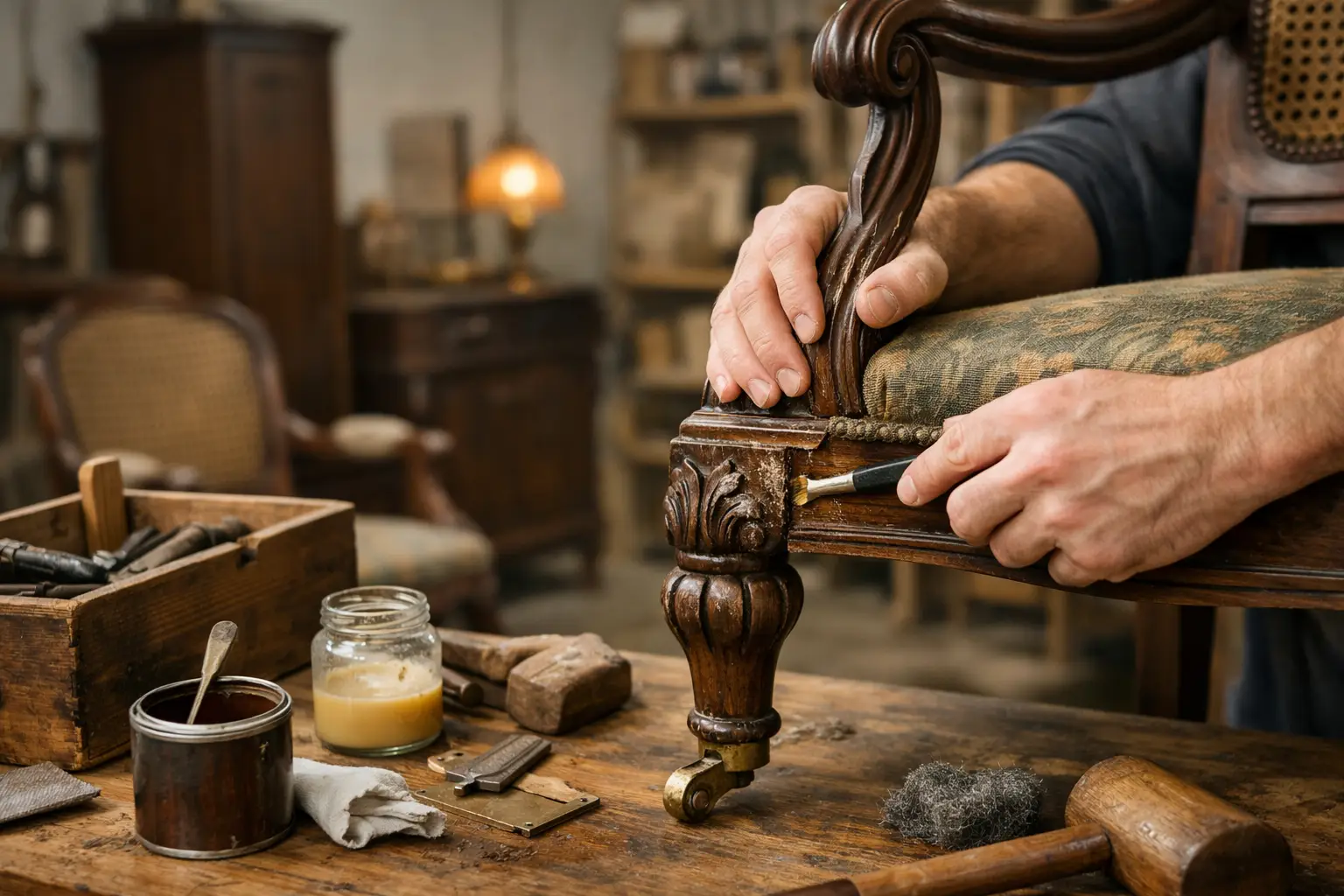
This is where hands-on upholstery experience matters. An experienced shop can help evaluate the frame, cushion condition, seam stress points, and the way different fabrics will behave on that specific sectional style. Rocky Mountain Upholstery works with homeowners who want to restore quality furniture instead of replacing it, and material selection is a major part of getting that result right.
The goal is not just to pick a fabric that looks good on day one. It is to choose one that fits the structure of the piece, the demands of the household, and the lifespan you expect from the work.
If your sectional still has a solid frame and comfortable proportions, reupholstery can be the better long-term move. The best fabric is the one that supports how you live, wears well in your space, and gives the piece another useful stretch of life. A good sectional should feel right when you sit down and still look right after years of use.