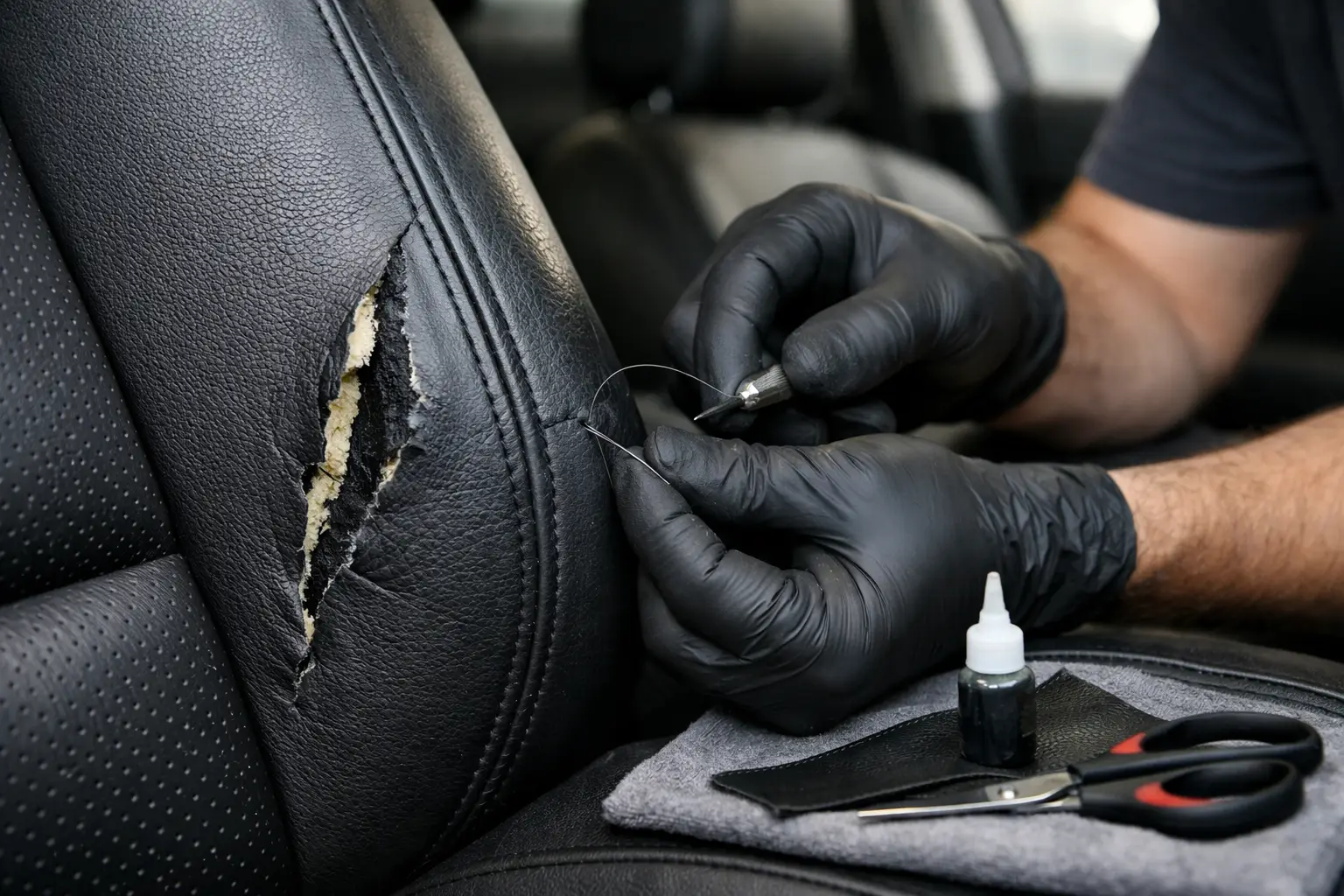
A torn seat seam, cracked vinyl, sagging headliner, or worn-out foam can make a good vehicle feel tired long before the engine is done working. That is where automotive interior upholstery makes a real difference. It restores comfort, improves appearance, and helps preserve the value of a vehicle you still plan to drive, show, or keep for years.
For many owners, the question is not whether the interior needs attention. It is whether the vehicle is worth restoring, and whether repair or replacement makes more sense. In many cases, a well-built interior can be brought back with the right materials, pattern matching, foam rebuilding, and installation work. The result is not a temporary cover-up. It is a properly finished interior that fits the vehicle and holds up to regular use.
What automotive interior upholstery includes
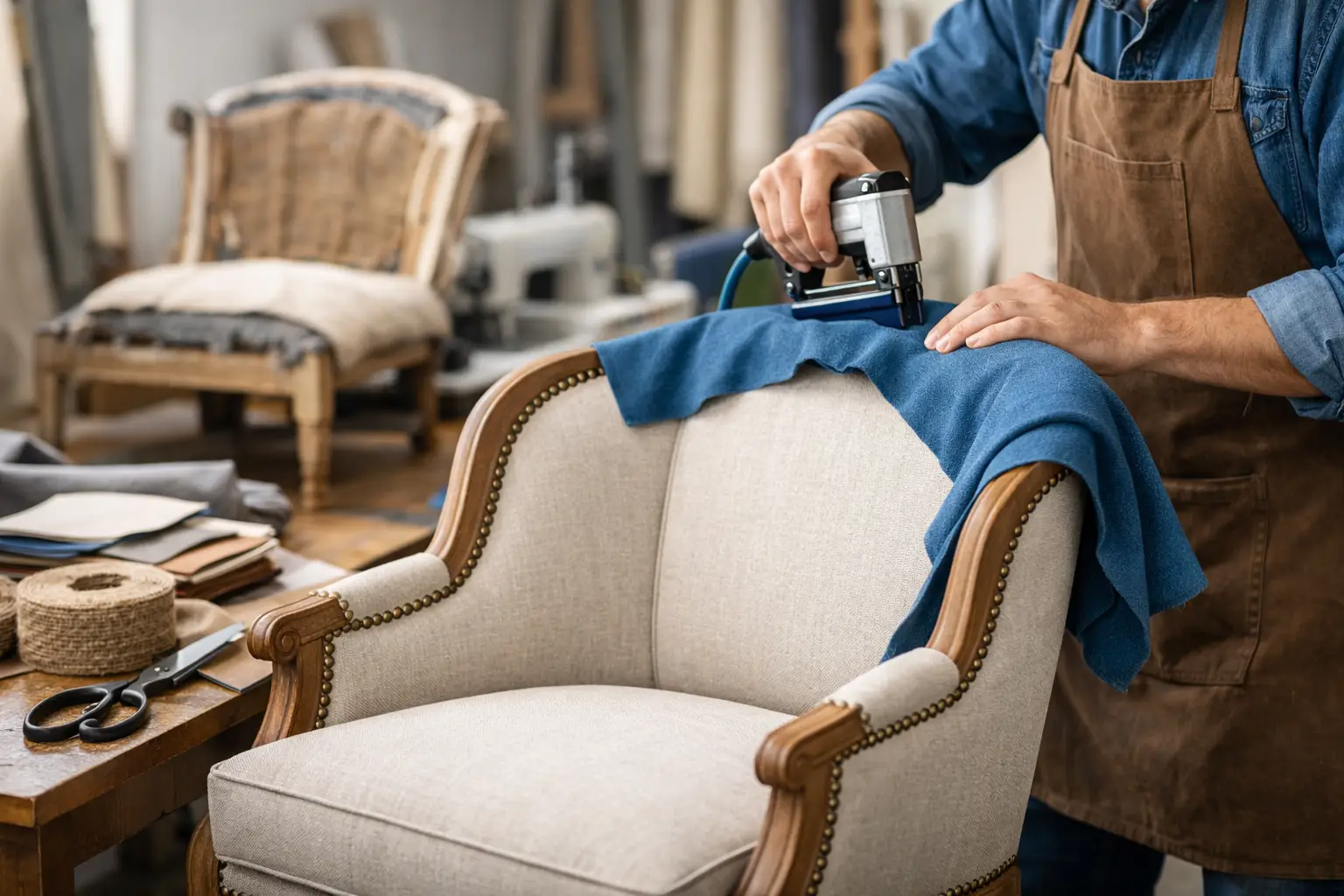
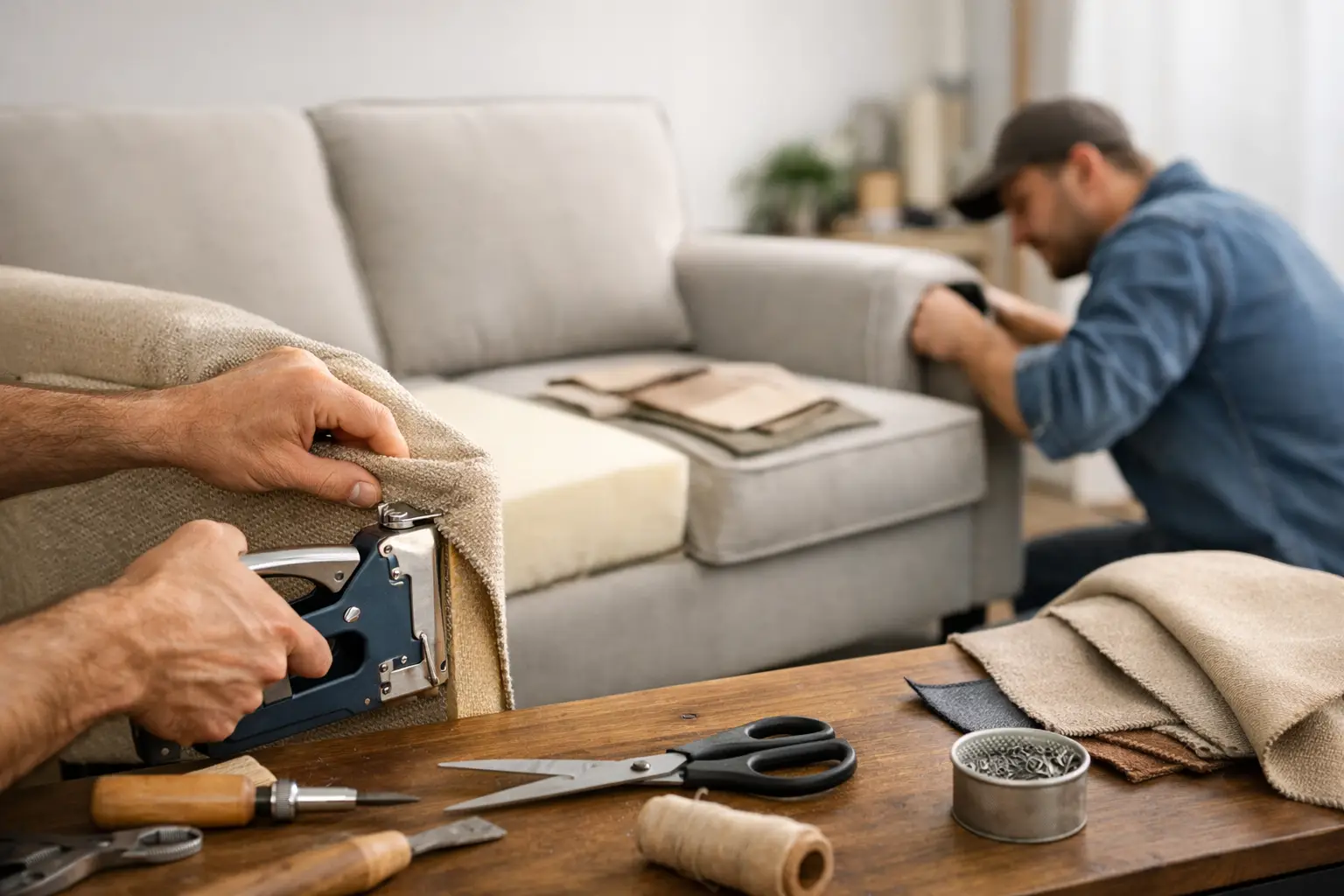
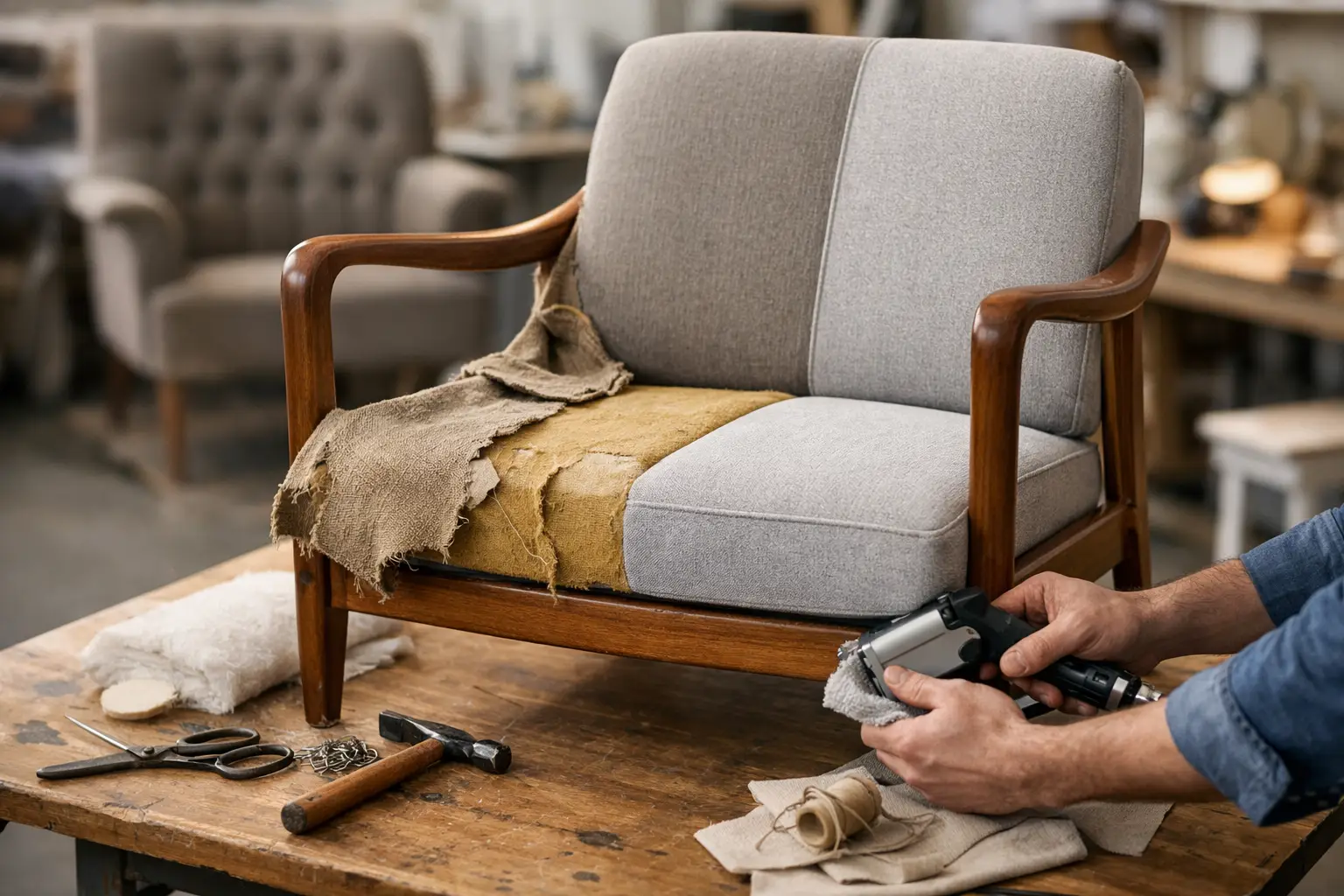
Automotive interior upholstery covers more than seat covers or surface material changes. A complete interior project may involve seats, door panels, headliners, armrests, consoles, kick panels, pillars, carpets, and trim components. Some jobs are straightforward repairs, such as replacing a damaged seat section or stitching a split seam. Others require full teardown, foam replacement, panel rebuilding, and custom fabrication.
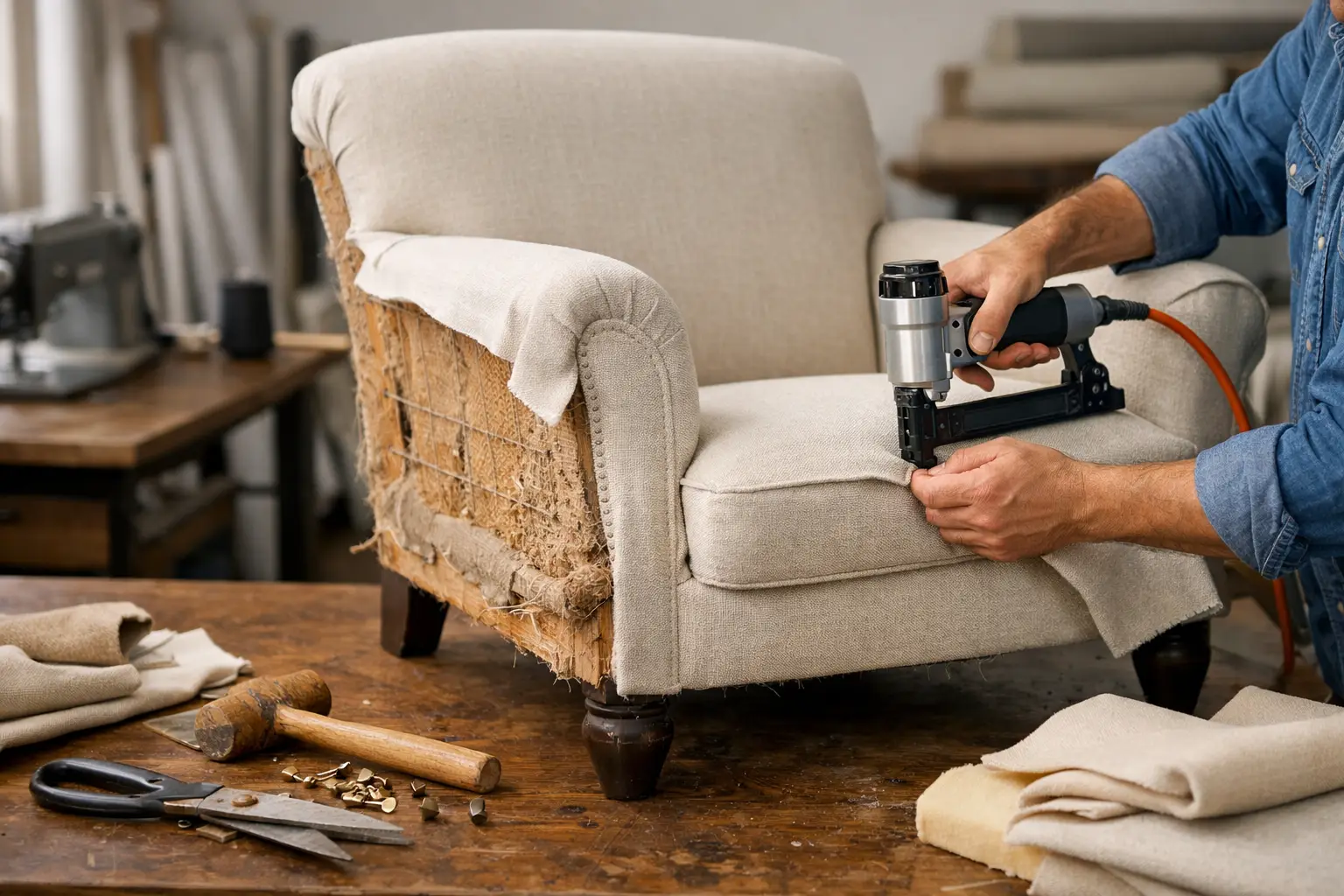
The condition of the underlying structure matters as much as the visible material. A seat may look worn because the leather is cracked, but the bigger problem could be collapsed foam, broken listing wires, weakened backing, or damaged attachment points. If those issues are ignored, even new material will not sit correctly or wear well. Good upholstery work starts below the surface.
That is especially true with older vehicles, work trucks, classic cars, and high-use recreational vehicles. Interiors in these categories often show a mix of sun damage, repeated entry and exit wear, moisture exposure, and age-related material failure. A proper repair approach considers all of it, not just the top layer.
When repair makes sense and when full reupholstery is better
Not every vehicle needs a complete interior overhaul. If one seat panel is split, one bolster is worn through, or a section of vinyl has failed while the rest remains sound, a targeted repair may be the most practical option. This can control cost while extending the life of the interior.
A full reupholstery project is usually the better choice when wear is widespread, colors no longer match, original materials have become brittle, or the foam and support structure need rebuilding. It also makes sense when owners want to update the interior rather than simply patch it. A full reupholstery job allows for material changes, stitching adjustments, contour improvements, and a more consistent finished look.
There is always a trade-off. Spot repairs can be efficient, but exact material and color matching is not always possible, especially on older interiors where sunlight and age have changed the original finish. Full reupholstery costs more upfront, but it often delivers a cleaner and longer-lasting result when multiple parts are already failing.
Material choices matter more than most people expect
One of the biggest decisions in automotive interior upholstery is material selection. Leather, vinyl, cloth, and specialty performance materials each serve different needs. The best option depends on how the vehicle is used, how original the interior needs to remain, and how much wear it sees.
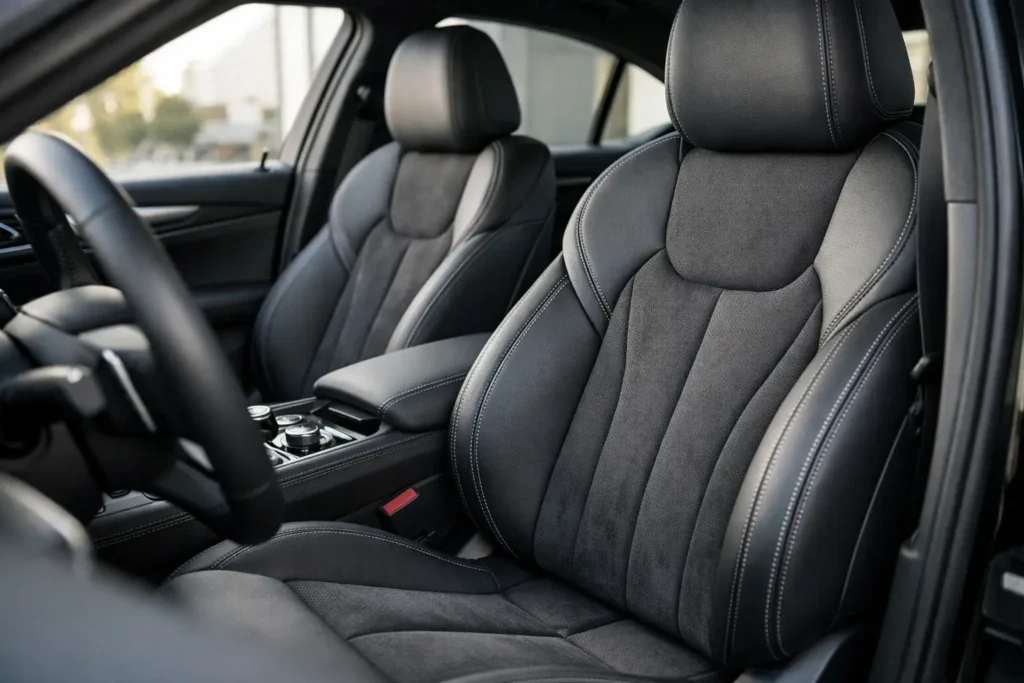
Leather offers a premium feel and can be an excellent choice for restored or upgraded interiors, but quality matters. Lower-grade leather may not wear the way owners expect, particularly in high-friction entry areas. Vinyl remains a strong option for many vehicles because it is durable, easier to maintain, and available in a wide range of grains and colors. For some restorations, vinyl is also the more accurate material.
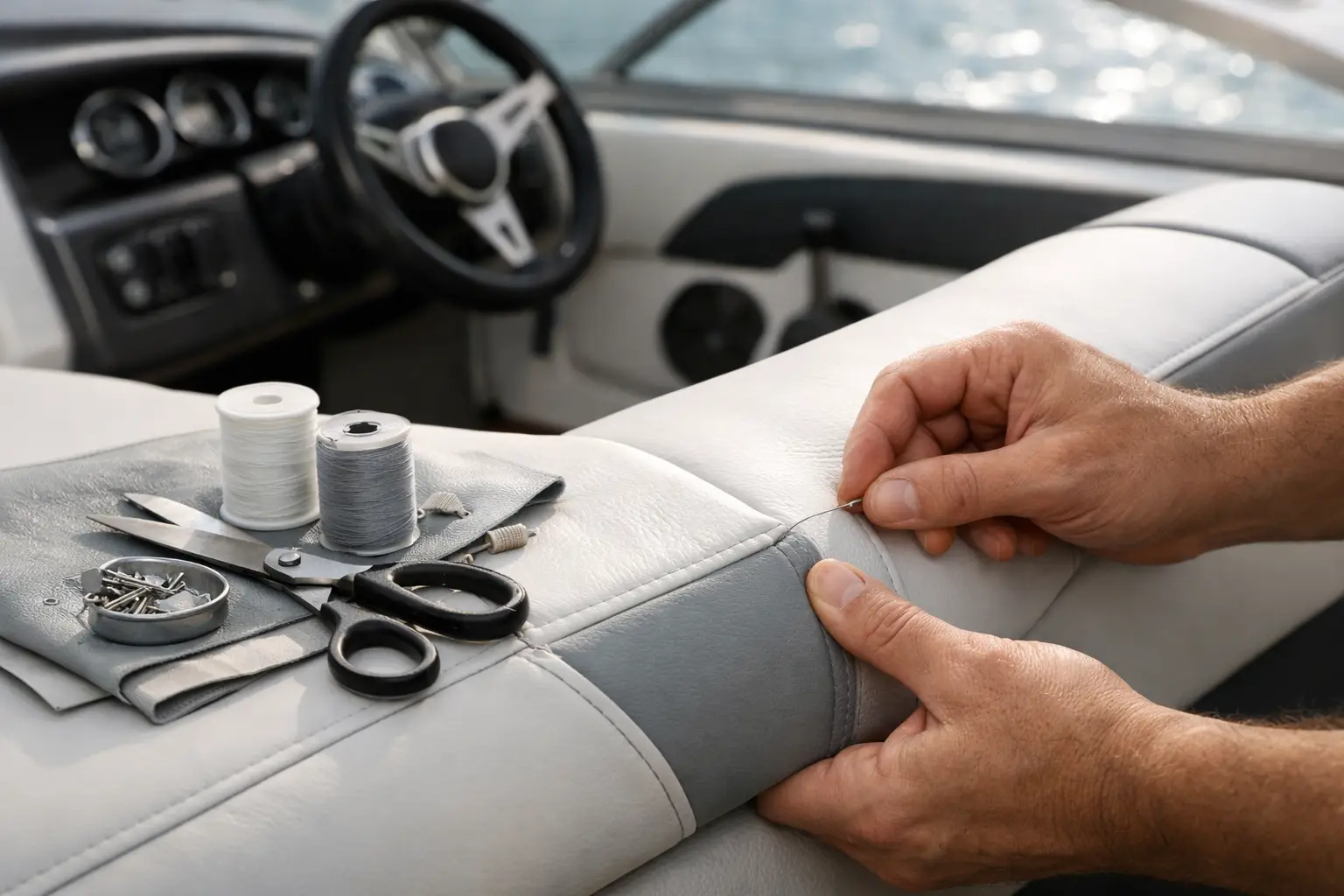
Cloth can be the right fit when comfort, breathability, and factory-style appearance matter most. It is often preferred for certain trucks, daily drivers, and period-correct interiors. Specialty materials may make sense for commercial fleets, off-road vehicles, RVs, or applications where easy cleaning and durability are priorities.
Material choice should also account for Colorado conditions. Sun exposure, temperature swings, and dry air can all shorten the life of interior surfaces if the wrong product is used or if installation is rushed. A well-selected material with proper backing and stitching holds up better over time.
Fit, foam, and finish are what separate a quick fix from lasting work
People usually notice color and stitching first, but long-term satisfaction often comes down to fit and support. A seat that looks good in photos can still feel wrong if the foam density is off, the contour is uneven, or the cover tension is inconsistent. That is why experienced upholstery work involves more than sewing new panels.
Foam rebuilding is often a major part of the job. Driver seats in particular tend to break down at the outer bolster and lower cushion. Replacing or reshaping those areas can restore comfort and improve posture while also helping the new upholstery wear evenly. If the foam is left collapsed, the cover takes more stress and fails sooner.
Finish quality also matters. Straight seams, clean panel alignment, secure attachment, and proper edge treatment all affect the final result. On custom projects, even small details like pleat spacing, thread choice, and insert layout make a difference. On restorations, maintaining the right look and proportions is just as important as installing new material.
Classic, custom, and daily-driver interiors all have different goals
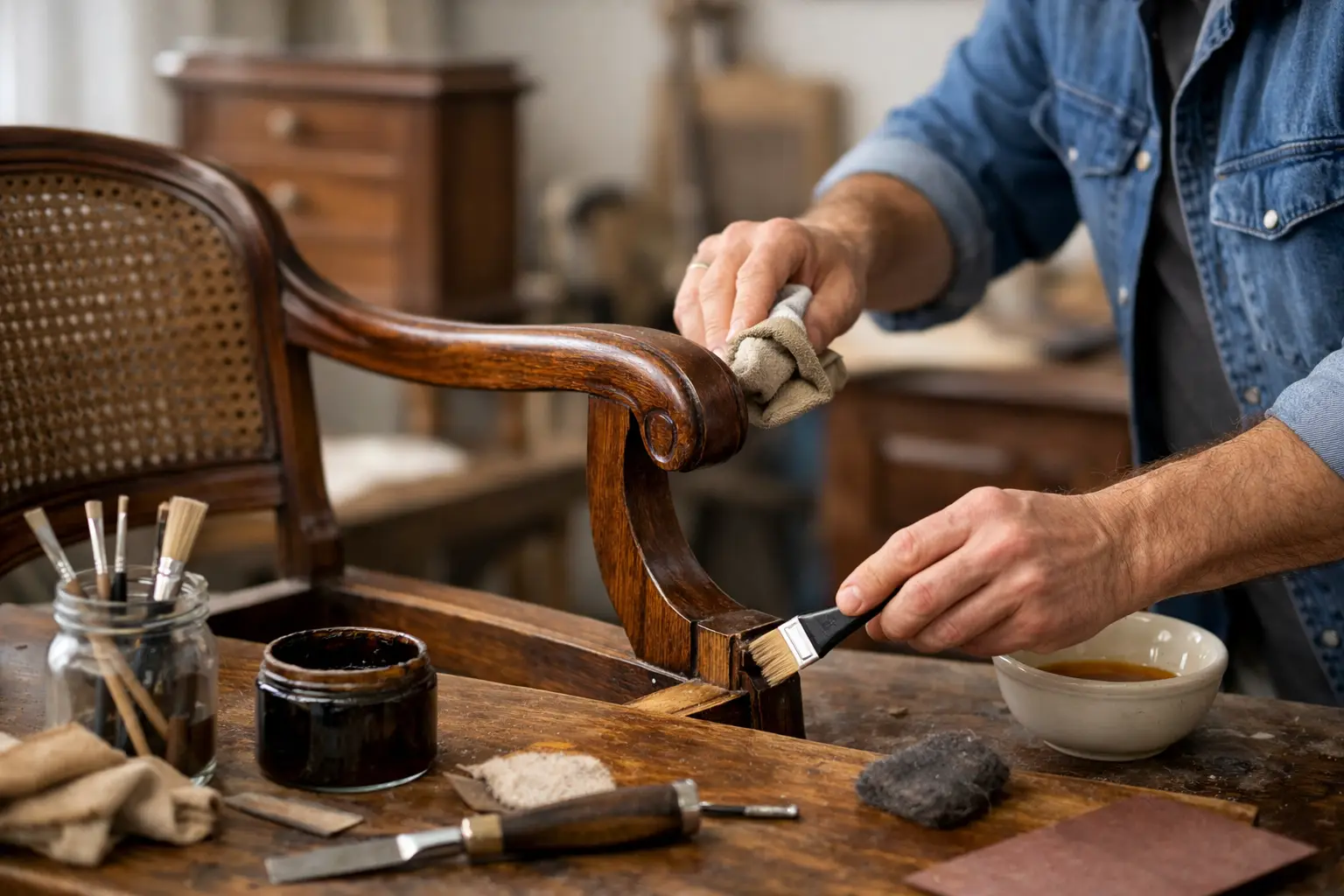
Not every customer wants the same outcome. For a classic vehicle, the goal may be to preserve the original appearance as closely as possible. That usually means careful pattern recreation, era-appropriate materials, and attention to details that make the interior feel authentic to the vehicle.
For a custom build, the priorities may shift toward upgraded comfort, new color combinations, contrast stitching, or redesigned seat inserts. In those cases, the upholstery needs to support the broader vision of the vehicle without sacrificing durability. Style should still make sense for how the vehicle is used.
Daily drivers fall somewhere in the middle. Owners often want a clean, durable interior that looks better than what they have now and stands up to regular wear. That may mean replacing damaged sections, rebuilding seat foam, installing more practical materials, or refreshing key surfaces without fully changing the factory design.
A dependable upholstery shop should be able to work across all three categories and explain the trade-offs clearly. Originality, comfort, cost, and longevity do not always point in the same direction. Good planning helps avoid disappointment later.
Why professional upholstery work is worth it
Automotive interiors are more complex than they first appear. Seats include hog rings, attachment rods, contour shaping, hidden fasteners, and material-specific sewing requirements. Door panels and trim pieces often involve fragile substrates, adhesives, and custom wrapping techniques. Headliners require proper board preparation, smooth bonding, and careful reinstallation.
Improper work tends to show up quickly. Covers wrinkle, seams pull, panels loosen, and adhesive failures appear once the vehicle sits in the sun. A professional approach reduces those risks by addressing the structure, selecting the right materials, and building each component to fit the application.
This is especially important when the vehicle has value beyond transportation. A classic car, collector truck, custom motorcycle seat, or family vehicle with years of life left in it deserves work that holds up. Rocky Mountain Upholstery approaches these projects the same way any skilled restoration or custom interior work should be handled – with close attention to fit, material performance, and the details that make the finished interior feel right.
What to expect when planning an upholstery project
The best starting point is a clear evaluation of the interior as it sits now. That includes visible damage, hidden structural issues, material preferences, and how the vehicle is actually used. Some owners come in wanting one torn panel repaired and decide a larger refresh makes more sense once the seat is opened up. Others expect a full reupholstery job and learn that a targeted repair will solve the problem.
Photos can help with early discussions, but in-person inspection usually gives the clearest picture. It allows the shop to assess foam condition, attachment systems, substrate damage, and the feasibility of matching existing materials. It also helps establish whether the job calls for repair, restoration, or full custom work.
Turnaround time depends on scope, material availability, and how much fabrication is involved. A simple repair is very different from rebuilding multiple seats and panels from the frame up. The important thing is setting realistic expectations from the beginning, with a plan built around the vehicle, not a one-size-fits-all package.
A vehicle interior should feel solid, comfortable, and finished every time you get behind the wheel. When the structure is still worth saving, skilled upholstery work gives you a practical way to restore what is worn out and improve what never felt quite right in the first place.