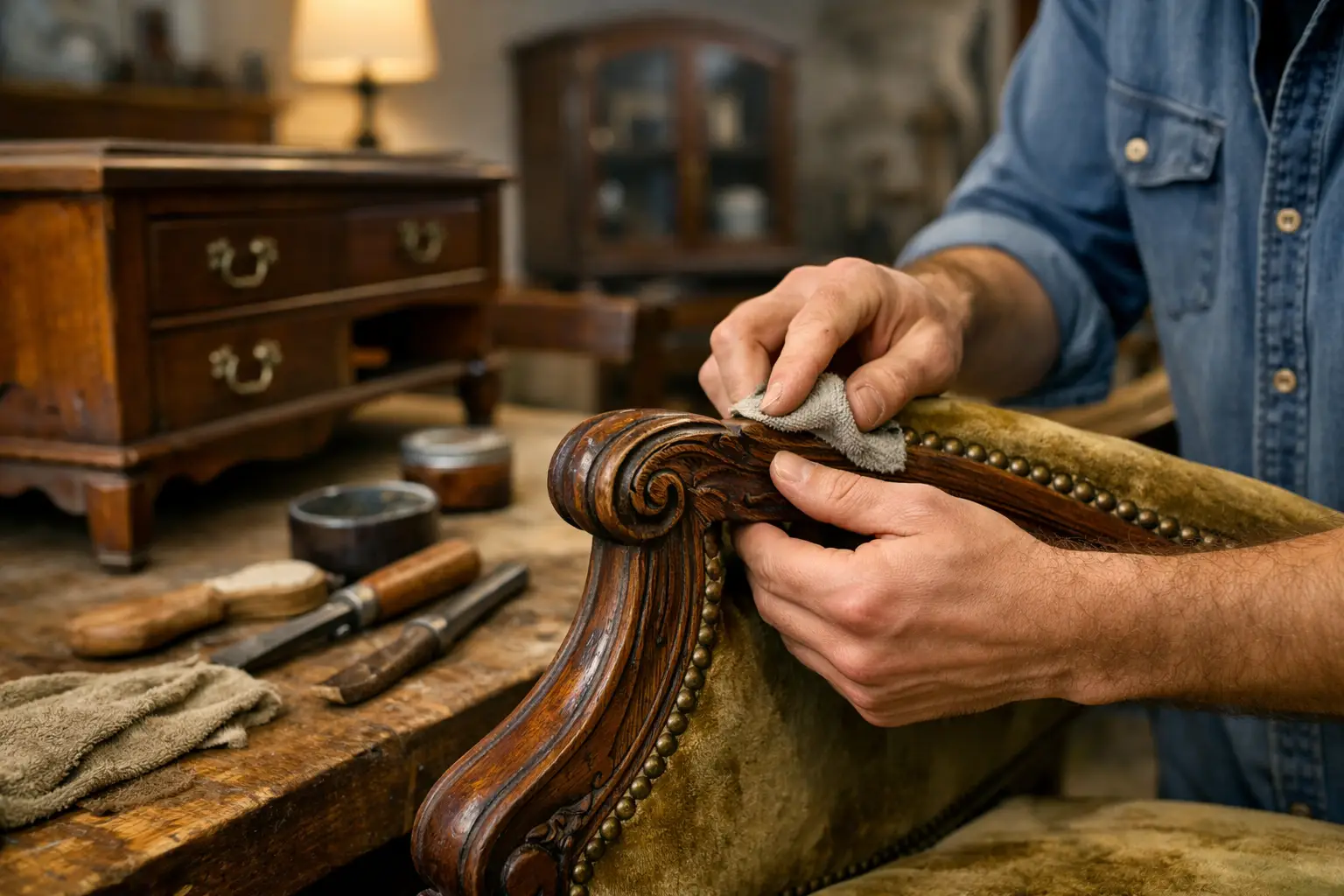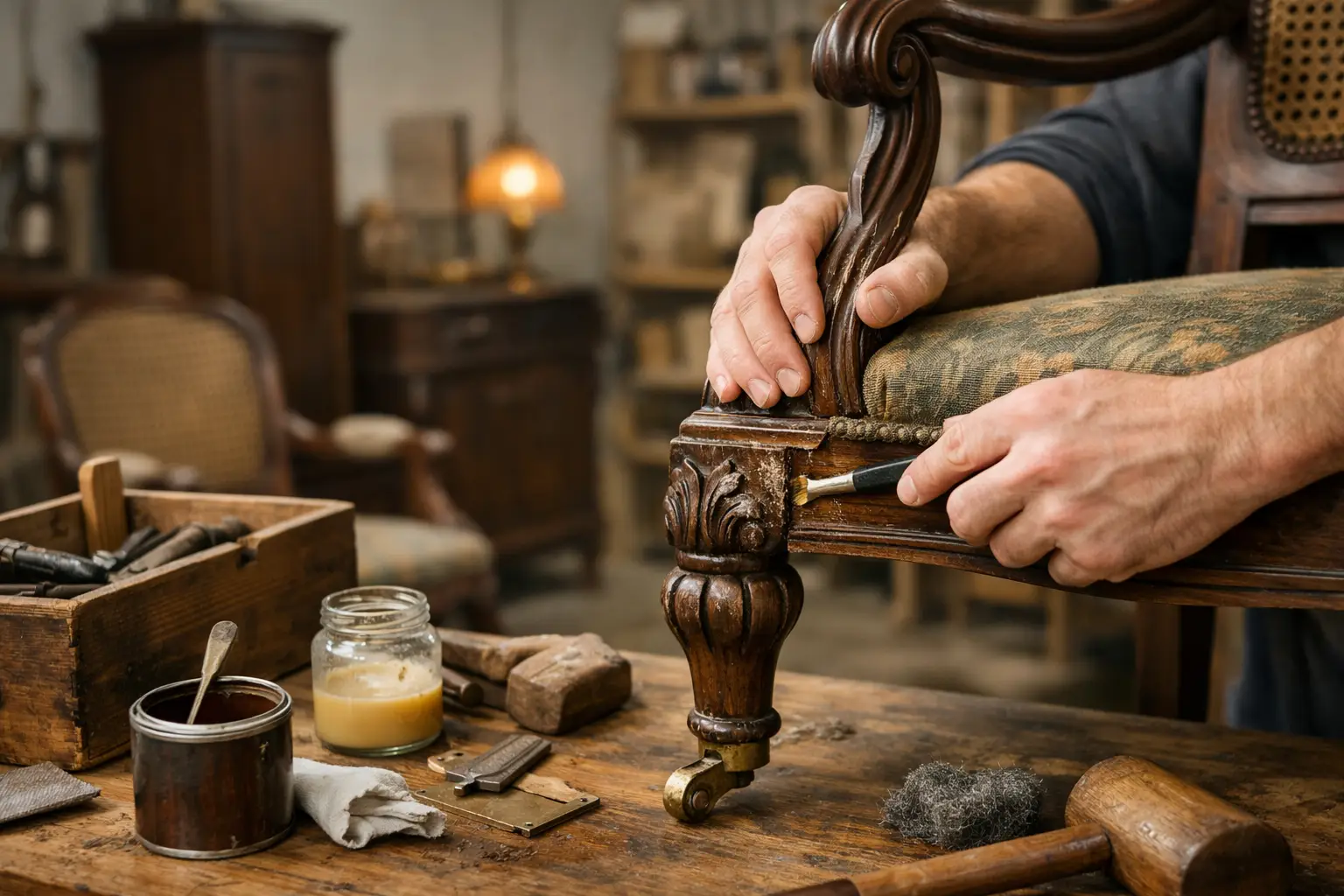
A loose chair joint, a split frame, or worn upholstery can make an antique feel one step away from the curb. In most cases, that is exactly when antique furniture repair services matter most. The right repair work does not just make an older piece usable again. It protects the original structure, preserves character, and gives you a practical alternative to replacement.
Antique furniture is different from modern mass-produced furniture in one basic way: it was often built to be repaired. Solid wood frames, hand-cut joinery, carved details, springs, webbing, and layered upholstery all respond differently to age and use. That means the repair process needs more than a quick cosmetic fix. It takes evaluation, material knowledge, and craftsmanship to restore strength without stripping away what makes the piece worth keeping.
What antique furniture repair services actually include
When people hear furniture repair, they often think of scratches or finish touch-up. For antiques, the work is usually broader. A proper repair may involve tightening or rebuilding joints, replacing broken structural components, repairing veneer, stabilizing cracked wood, rebuilding seat foundations, or replacing worn foam and upholstery materials while preserving the overall look of the piece.
Some projects are mostly structural. A dining chair with wobbling legs, a rocking chair with a cracked arm, or a settee with sagging support needs the frame corrected first. Other pieces need a combination of structure and surface work. An antique sofa may have a solid hardwood frame but completely worn springs, padding, and fabric. In that case, the piece is not failing because it is old. It is failing because its working materials have reached the end of their service life.
That distinction matters. Good repair work respects what should be preserved and replaces what no longer performs.
When repair makes sense and when it depends
Not every old piece should be repaired the same way. Some furniture has historical significance. Some has sentimental value. Some is simply better built than anything you could buy new at a similar price. The reason you are keeping it affects the repair approach.
If the piece is a family heirloom, preserving original character is usually the priority. That may mean matching profiles, keeping visible wood components, and choosing upholstery that fits the era or at least does not fight against it. If the piece is meant for daily use, durability may carry equal weight. A restored antique armchair in a living room has to hold up to real life, not just look correct from a distance.
There is also a cost conversation. Extensive restoration can be more labor-intensive than buying something new. But replacement is not always the better value. A well-built antique with repaired joinery, refreshed support materials, and quality upholstery can outlast many new pieces. It depends on the condition of the frame, the level of damage, and how you plan to use it.
Antique furniture repair services for wood, upholstery, and support systems
The strongest results come from looking at the whole piece, not just the obvious damage. An antique chair with torn fabric may also have weakened webbing and loose joints. A bench with a split rail may need reinforcement under the seat. A tufted piece may require deeper rebuilding because the original padding has broken down unevenly over time.
Structural repairs
Structural work is the foundation of any lasting repair. This can include regluing joints, clamping and resetting frames, replacing damaged wood sections, reinforcing stress points, and correcting instability caused by years of movement or previous poor repairs. On antiques, one bad repair often leads to another problem later. Oversized screws, mismatched brackets, and hardware-store patches may hold for a while, but they usually do not respect the original construction.
A proper structural repair is meant to restore integrity without creating new weaknesses. That is especially important for chairs, rockers, dining seating, and upholstered frames that carry repeated weight.
Upholstery restoration
Many antique pieces need more than fresh fabric. Inside the upholstery are the materials that shape comfort and support: springs, webbing, padding, foam, cotton, and tack structures. If those materials are worn out, new fabric alone will not solve the problem.
Reupholstery for an antique often means stripping the piece to the frame, checking the support system, replacing degraded materials, and rebuilding the seat or back with an eye toward both function and appearance. In some cases, a customer wants a period-appropriate look. In others, the goal is a more current fabric with stronger everyday performance. Both approaches can work if the proportions and structure are handled correctly.
Surface and detail preservation
Not every piece needs to be fully refinished or dramatically altered. Sometimes the best repair is selective. Preserving carved features, aged wood character, trim details, or original lines can keep the piece from looking over-restored. Antique furniture often loses value and appeal when too much of its identity is erased.
That is why repair decisions should be made carefully. A serviceable antique should still look like itself when the work is done.
Why craftsmanship matters more with antiques
Modern furniture repair can be straightforward because many newer pieces are built from standardized parts and lower-cost materials. Antiques are less forgiving. Their dimensions, joinery, wood species, upholstery methods, and wear patterns vary widely. Repairing them well means understanding how they were built and how they have aged.
That is also why a full-service upholstery and restoration shop can be the better fit for antique work. Repairing an antique settee may require wood stabilization, padding replacement, spring work, and custom upholstery in the same project. When those steps are handled together, the finished piece performs better and looks more consistent.
For customers in Colorado Springs, Rocky Mountain Upholstery handles this kind of work with the same hands-on approach used across residential, commercial, and specialty interior projects. That range matters because craftsmanship transfers. A shop that understands furniture structure, material performance, and custom rebuilding is better equipped to restore antiques that need more than surface-level fixes.
Choosing the right repair approach for your piece
The first step is not fabric selection or stain matching. It is evaluation. A good shop should look at the frame, joints, support systems, upholstery layers, and visible damage before recommending a repair path. That helps avoid underestimating the project or spending money on cosmetic work when the structure still needs attention.
You should also expect some discussion about use. A formal antique chair in a guest room can be approached differently than a family-room armchair that gets daily use. The same goes for commercial or institutional settings, where durability and code-appropriate materials may matter more than strict period styling.
Material choice is part of that conversation. Natural fabrics, performance textiles, leather, vinyl, foam density, and support materials all affect how the finished piece looks and holds up. The right choice depends on the furniture type, the environment, and your expectations. There is no one-size-fits-all answer, especially with antiques.
Signs your antique furniture should be repaired now
Some damage is easy to ignore until it becomes more expensive to fix. If a chair wobbles, the joint stress tends to spread. If upholstery has collapsed, the frame may start taking weight in the wrong places. If wood is cracked or veneer is lifting, changes in use and humidity can make the issue worse.
Common signs include looseness, creaking, shifting arms or legs, sagging seats, exposed springs, torn upholstery, broken trim, and visible separation at joints. Even if the piece still looks decent across the room, those issues usually point to structural wear underneath.
Early repair gives you more options. It can preserve more of the original material, reduce the scope of reconstruction, and return the piece to service before the damage compounds.
What customers are really paying for
With antique furniture, the value of repair is rarely just the labor itself. You are paying for judgment. Knowing what can be saved, what should be replaced, what materials belong in the rebuild, and how to keep the piece functional without losing its character is what separates a lasting repair from a temporary fix.
That matters whether the furniture is a family heirloom, a quality estate find, or a favorite piece that still fits your home better than anything new. The best antique furniture repair services are not about making old furniture look new. They are about making it strong, usable, and true to the piece it has always been.
If you have an antique that feels too worn, too loose, or too far gone, it is worth having it evaluated before you give up on it. Many pieces still have years of life left in them when the repair work is done the right way.